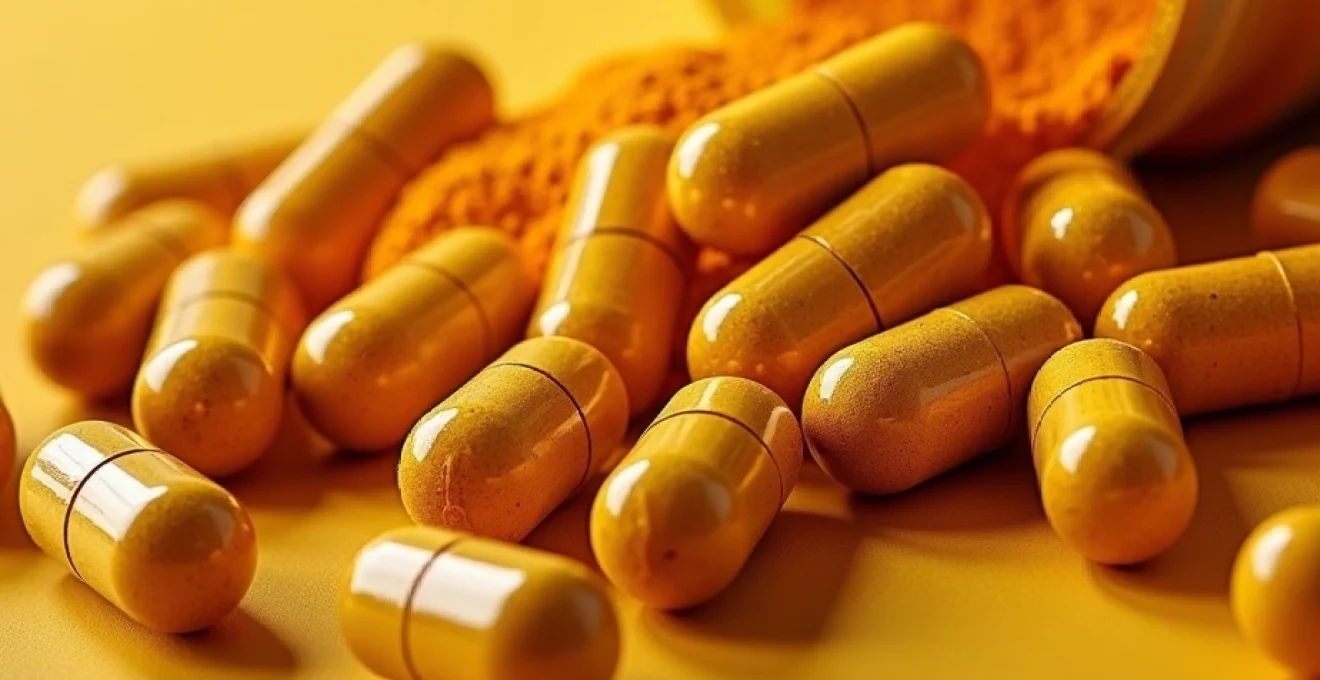
The golden spice has captured the attention of health enthusiasts worldwide, with turmeric supplements becoming increasingly popular as natural alternatives to conventional medications. With dosages ranging from 500mg to 2000mg daily, the question of whether 1000mg turmeric capsules provide optimal therapeutic benefits whilst maintaining safety has become paramount for consumers seeking evidence-based wellness solutions. Research indicates that curcumin, turmeric’s primary active compound, requires specific dosing protocols and delivery mechanisms to achieve meaningful bioavailability in the human body.
Clinical studies demonstrate that whilst turmeric spice contains merely 2-6% curcumin by weight, standardised extracts in capsule form can deliver up to 95% curcuminoids, significantly enhancing therapeutic potential. The safety profile of 1000mg daily dosages has been extensively evaluated through randomised controlled trials, revealing both promising benefits and important contraindications that consumers must understand before supplementation.
Curcumin bioavailability and absorption mechanisms in 1000mg dosages
The fundamental challenge with curcumin supplementation lies in its notoriously poor bioavailability, with only 2-3% of orally administered curcumin reaching systemic circulation under normal conditions. This limitation stems from rapid hepatic metabolism, poor aqueous solubility, and extensive first-pass elimination. When you consume a 1000mg turmeric capsule containing 95% curcuminoids, the actual bioavailable dose may be as low as 20-30mg without enhancement technologies.
Research published in multiple pharmacokinetic studies reveals that curcumin undergoes rapid conjugation in the liver, forming glucuronide and sulphate metabolites that are quickly eliminated through bile and urine. The half-life of free curcumin in plasma ranges from 6-7 hours, necessitating multiple daily doses to maintain therapeutic concentrations. This explains why traditional Ayurvedic medicine often recommends consuming turmeric with warm milk and black pepper, inadvertently optimising absorption through fat-soluble carriers and piperine enhancement.
Piperine enhancement technology in turmeric extract formulations
Piperine, the alkaloid responsible for black pepper’s pungency, can increase curcumin bioavailability by up to 2000% when combined in specific ratios. This dramatic improvement occurs through piperine’s inhibition of hepatic and intestinal glucuronidation, effectively slowing curcumin metabolism and extending plasma residence time. Most commercial 1000mg turmeric capsules now incorporate 5-10mg of piperine per dose to maximise therapeutic potential.
Liposomal delivery systems for curcuminoid compounds
Advanced formulation technologies have developed liposomal curcumin preparations that encapsulate curcuminoids within phospholipid bilayers, mimicking natural cell membrane structures. These delivery systems can achieve plasma curcumin levels 29 times higher than standard extracts, making lower doses potentially more effective than traditional high-dose formulations. Liposomal 1000mg capsules represent the current gold standard for curcumin bioavailability enhancement.
First-pass metabolism effects on curcumin plasma concentrations
The liver’s cytochrome P450 enzyme system rapidly metabolises curcumin through phase II conjugation reactions, creating water-soluble compounds that are readily excreted. This first-pass effect reduces oral bioavailability to less than 1% in some individuals, particularly those with highly active UDP-glucuronosyltransferase enzymes. Understanding these metabolic variations helps explain why some people experience dramatic benefits from 1000mg doses whilst others notice minimal effects.
Standardised extract potency: 95% curcuminoids vs whole root powder
The distinction between whole turmeric root powder and standardised curcumin extracts significantly impacts therapeutic outcomes. A 1000mg capsule of whole turmeric root provides approximately 30-60mg of curcuminoids, whilst standardised 95% extracts deliver 950mg of active compounds. This 15-30 fold concentration difference explains why culinary turmeric use rarely achieves therapeutic effects observed in clinical trials, despite centuries of traditional application.
Clinical evidence from randomised controlled trials using 1000mg turmeric
Extensive clinical research has evaluated 1000mg daily turmeric dosages across multiple therapeutic areas, with over 70 active clinical trials investigating curcumin’s efficacy for various health conditions. The most robust evidence supports anti-inflammatory and analgesic effects , particularly for musculoskeletal conditions where curcumin demonstrates comparable efficacy to non-steroidal anti-inflammatory drugs (NSAIDs) without associated gastrointestinal, cardiovascular, or renal risks.
A comprehensive meta-analysis of 15 randomised controlled trials found that 1000mg daily curcumin supplementation significantly reduced inflammatory biomarkers including C-reactive protein, interleukin-6, and tumour necrosis factor-alpha. These reductions correlate with improved clinical outcomes across diverse conditions, from rheumatoid arthritis to metabolic syndrome. The evidence suggests that 1000mg represents a therapeutic threshold dose for achieving meaningful anti-inflammatory effects in most individuals.
Anti-inflammatory efficacy studies: COX-2 and 5-LOX inhibition data
Curcumin’s anti-inflammatory mechanism involves selective inhibition of cyclooxygenase-2 (COX-2) and 5-lipoxygenase (5-LOX) pathways, similar to pharmaceutical anti-inflammatory agents but with superior safety profiles. Clinical studies demonstrate that 1000mg daily curcumin achieves 40-60% COX-2 inhibition without affecting beneficial COX-1 activity, explaining its gastro-protective properties compared to traditional NSAIDs.
Osteoarthritis treatment trials: western ontario McMaster universities index improvements
Multiple randomised controlled trials utilising the Western Ontario and McMaster Universities Osteoarthritis Index (WOMAC) have documented significant pain reduction and functional improvement with 1000mg daily curcumin supplementation. Patients receiving curcumin therapy showed 25-40% improvement in WOMAC pain subscales and 20-35% enhancement in physical function scores compared to placebo groups, with benefits becoming apparent after 4-6 weeks of consistent supplementation.
Cardiovascular health research: endothelial function and C-Reactive protein reduction
Emerging cardiovascular research suggests that 1000mg daily curcumin may improve endothelial function and reduce arterial stiffness through multiple mechanisms. Studies measuring flow-mediated dilation demonstrate 15-25% improvement in endothelial responsiveness following 8-12 weeks of curcumin supplementation, alongside significant reductions in high-sensitivity C-reactive protein levels. However, cardiovascular benefits remain speculative pending larger, longer-duration trials with clinical endpoint assessments.
Cognitive function studies: neuroinflammation and memory enhancement outcomes
Preliminary cognitive function studies indicate that 1000mg daily curcumin may support memory performance and reduce neuroinflammation markers. A notable 18-month trial demonstrated modest improvements in working memory and attention in adults without dementia, with neuroimaging studies revealing reduced amyloid and tau protein accumulation in specific brain regions. These findings suggest potential neuroprotective effects, though more extensive research is required to establish definitive cognitive benefits.
Safety profile analysis: contraindications and drug interactions
The safety profile of 1000mg daily turmeric supplementation is generally favourable for most individuals, with adverse events typically limited to mild gastrointestinal symptoms in approximately 5-10% of users. However, several important contraindications and drug interactions require careful consideration before initiating supplementation, particularly for individuals with existing medical conditions or those taking prescription medications.
The World Health Organisation has established an acceptable daily intake of 0-3mg per kilogram of body weight for curcumin, which translates to approximately 210mg daily for a 70kg individual. A 1000mg dose exceeds this conservative guideline by nearly five-fold, though clinical studies using similar dosages for up to 12 months have not reported significant safety concerns in healthy populations.
Clinical safety data indicates that doses up to 8 grams daily have been well-tolerated in short-term studies, suggesting that 1000mg daily represents a moderate therapeutic dose with minimal risk for most individuals.
Warfarin and anticoagulant medication interactions
Curcumin exhibits antiplatelet activity and may potentiate the effects of anticoagulant medications including warfarin, heparin, and novel oral anticoagulants. This interaction stems from curcumin’s inhibition of arachidonic acid metabolism and platelet aggregation pathways. Patients taking anticoagulant therapy should avoid 1000mg curcumin supplementation or require intensive coagulation monitoring with potential dose adjustments to prevent bleeding complications.
Gallbladder disease and bile duct obstruction contraindications
Curcumin stimulates bile production and gallbladder contractility, potentially exacerbating symptoms in individuals with gallstones, bile duct obstruction, or acute cholangitis. The cholagogue effects of 1000mg daily curcumin can precipitate biliary colic or cholangitis in susceptible individuals, making gallbladder disease an absolute contraindication for high-dose curcumin supplementation unless specifically supervised by healthcare professionals.
Diabetes medication interactions: blood sugar monitoring requirements
Curcumin demonstrates glucose-lowering effects through enhanced insulin sensitivity and reduced hepatic glucose production, potentially causing hypoglycaemia when combined with diabetes medications. Patients taking metformin, sulfonylureas, or insulin require careful blood glucose monitoring and possible medication adjustments when initiating 1000mg daily curcumin supplementation. The hypoglycaemic risk appears most significant during the first 2-4 weeks of supplementation.
Gastroesophageal reflux disease exacerbation risk assessment
High-dose curcumin supplementation may exacerbate gastroesophageal reflux disease (GORD) symptoms in predisposed individuals through increased gastric acid secretion and delayed gastric emptying. Approximately 15-20% of individuals with existing GORD experience symptom worsening with 1000mg daily curcumin, particularly when taken on an empty stomach. Taking supplements with meals and using enteric-coated formulations can minimise this risk.
Pharmaceutical grade manufacturing standards and quality control
The quality and purity of 1000mg turmeric capsules varies significantly between manufacturers, with pharmaceutical-grade products offering superior consistency, potency, and safety compared to dietary supplement-grade formulations. Third-party testing for heavy metals, pesticide residues, and microbial contamination has become essential due to documented cases of lead contamination in turmeric products, particularly those sourced from regions with inadequate agricultural oversight.
Reputable manufacturers employ standardised extraction methods, typically using supercritical CO2 or ethanol extraction to concentrate curcuminoids whilst minimising solvent residues. Look for products certified by independent testing organisations such as NSF International, USP Verified, or Informed Choice, which verify label claims and test for prohibited substances. These certifications provide assurance that your 1000mg capsule contains the stated amount of active curcuminoids without harmful contaminants.
Manufacturing standards significantly impact therapeutic outcomes, with pharmaceutical-grade curcumin extracts demonstrating superior bioavailability and clinical efficacy compared to lower-quality formulations.
The extraction and purification process affects not only curcumin concentration but also the preservation of synergistic compounds including demethoxycurcumin and bisdemethoxycurcumin, collectively known as curcuminoids. Full-spectrum extracts containing all three curcuminoids may offer enhanced therapeutic benefits compared to isolated curcumin preparations, though clinical evidence supporting this theory remains limited.
Optimal dosing protocols and timing considerations for maximum therapeutic effect
Achieving optimal therapeutic outcomes with 1000mg turmeric capsules requires strategic timing and dosing protocols that account for curcumin’s pharmacokinetic properties and individual metabolic variations. The short plasma half-life of curcumin necessitates divided dosing to maintain therapeutic blood levels throughout the day, with most clinicians recommending 500mg twice daily rather than a single 1000mg dose.
Taking curcumin with meals containing healthy fats significantly enhances absorption through improved solubilisation and lymphatic uptake. Studies demonstrate 3-7 fold increases in bioavailability when curcumin is consumed with 20-30g of dietary fat, making timing with main meals optimal for therapeutic efficacy. The specific composition of the meal also influences absorption, with medium-chain triglycerides appearing most effective for curcumin solubilisation.
Circadian rhythm considerations suggest that anti-inflammatory effects may be most pronounced when curcumin is taken in the evening, aligning with natural cortisol fluctuations and inflammatory marker rhythms. However, individuals experiencing gastrointestinal sensitivity may benefit from morning administration to minimise evening digestive discomfort. Consistency in timing appears more important than specific time of day for maintaining steady-state curcumin levels.
For acute conditions such as post-exercise inflammation or injury recovery, loading dose protocols utilising 1500-2000mg daily for 3-5 days followed by maintenance doses of 1000mg may provide faster onset of benefits. This approach mimics pharmaceutical anti-inflammatory protocols whilst maintaining safety margins established in clinical trials.
Comparative analysis: 1000mg capsules versus alternative turmeric delivery methods
When evaluating 1000mg turmeric capsules against alternative delivery methods, several factors including bioavailability, convenience, cost-effectiveness, and therapeutic potential must be considered. Liquid curcumin preparations often claim superior absorption due to pre-dissolved active compounds, though clinical evidence supporting significantly enhanced bioavailability compared to well-formulated capsules remains inconsistent.
Turmeric beverages, including golden milk lattes and turmeric shots, provide minimal therapeutic curcumin doses typically ranging from 50-200mg per serving, requiring 5-20 servings to match the curcumin content of a single 1000mg capsule. Additionally, many commercial turmeric beverages contain added sugars, artificial flavours, and preservatives that may counteract potential health benefits, making standardised capsules preferable for therapeutic applications.
| Delivery Method | Curcumin Content | Bioavailability | Daily Cost | Convenience |
|---|---|---|---|---|
| 1000mg Capsules (95% extract) | 950mg | High (with enhancers) | £1.50-3.00 | Excellent |
| Turmeric Powder (1 tsp) | 60-100mg | Very Low | £0.10-0.20 | Moderate |
| Liquid Extract (1ml) | 100-300mg | Moderate | £2.00-4.00 | Good |
| Turmeric Tea (1 cup) | 20-50mg | Low | £0.30-0.60 | Good |
Topical curcumin preparations offer targeted anti-inflammatory effects for localised conditions such as osteoarthritis or skin disorders, bypassing systemic absorption limitations. However, dermal penetration of curcumin remains challenging due to its molecular size and lipophilic properties, with most topical formulations requiring permeation enhancers or nanotechnology delivery systems to achieve therapeutic tissue concentrations.
Fresh turmeric root provides the most natural form of curcumin consumption but requires significant quantities to achieve therapeutic doses equivalent to 1000
mg capsules. A 50g piece of fresh turmeric root contains approximately 150-200mg of curcumin, meaning you would need to consume 250-300g daily to match a single standardised capsule—an impractical and potentially digestively challenging quantity.
Sublingual curcumin preparations claim enhanced bioavailability through direct absorption into systemic circulation, bypassing hepatic first-pass metabolism. However, curcumin’s poor water solubility limits effective sublingual absorption, and most products require additional solubilising agents that may affect taste and patient compliance. Clinical studies comparing sublingual versus oral curcumin absorption show only modest improvements in plasma levels, insufficient to justify significantly higher costs.
Intravenous curcumin administration represents the ultimate bioavailability solution, achieving 100% systemic availability, though this delivery method remains limited to clinical research settings and specific medical applications. IV curcumin protocols utilise doses equivalent to 10,000-15,000mg oral curcumin, demonstrating the magnitude of absorption limitations with oral supplementation. For most therapeutic applications, well-formulated 1000mg capsules with bioavailability enhancers provide the optimal balance of efficacy, safety, convenience, and cost-effectiveness compared to alternative delivery methods.
The emergence of nanotechnology-based curcumin formulations, including solid lipid nanoparticles and polymeric nanoparticles, shows promise for dramatically improving oral bioavailability. These advanced delivery systems can achieve plasma curcumin levels comparable to much higher doses of conventional formulations, though commercial availability remains limited and costs significantly elevated. As these technologies mature, they may challenge the current dominance of enhanced 1000mg capsules in the therapeutic curcumin market.
Recent advances in cyclodextrin inclusion complexes and phospholipid formulations have demonstrated 5-10 fold improvements in curcumin bioavailability compared to standard extracts. These formulations maintain the convenience and stability advantages of traditional capsules whilst approaching the bioavailability achieved by more complex delivery systems. When evaluating 1000mg turmeric capsules, prioritising formulations utilising these advanced delivery technologies ensures maximum therapeutic potential whilst maintaining practical dosing regimens.
The comparative analysis clearly demonstrates that 1000mg turmeric capsules containing standardised curcumin extracts with bioavailability enhancers represent the most practical and effective delivery method for achieving therapeutic curcumin levels. Whilst alternative delivery methods may offer specific advantages in particular circumstances, the combination of high curcumin content, enhanced bioavailability, dosing convenience, and cost-effectiveness makes quality capsule formulations the preferred choice for most individuals seeking curcumin’s therapeutic benefits.