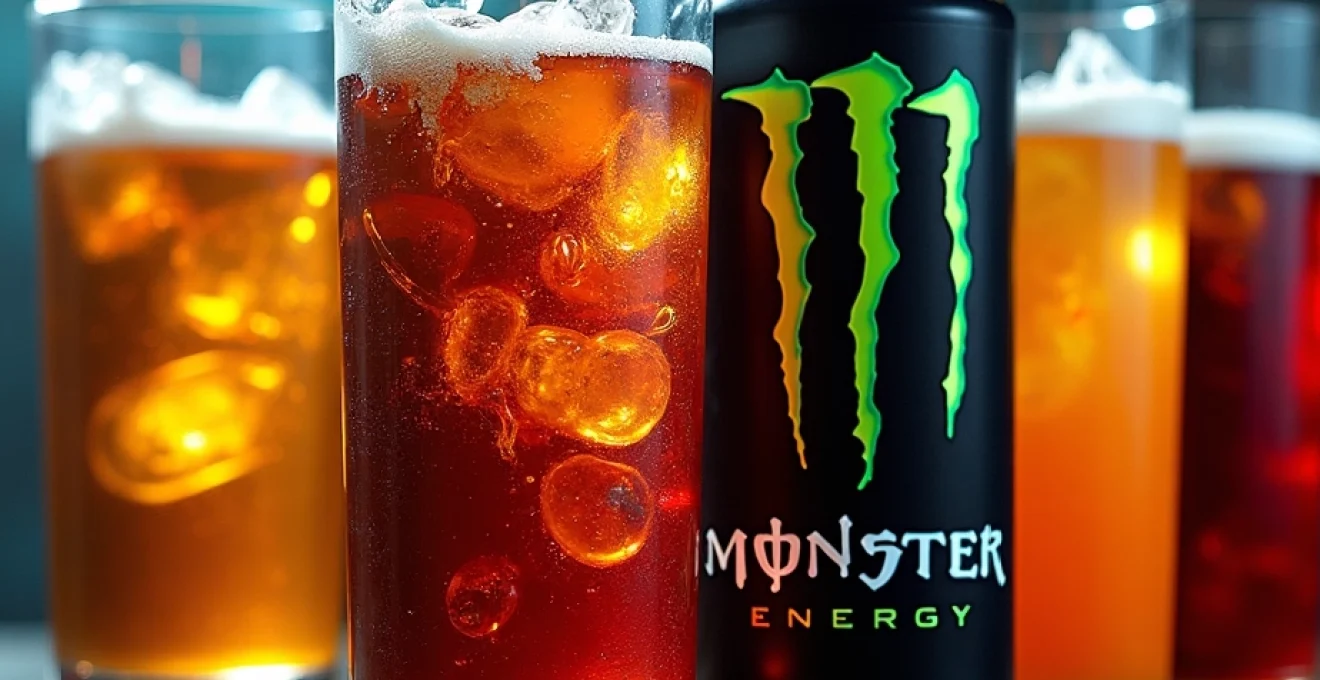
The rising popularity of energy drinks has brought with it an alarming pattern of health complications and fatalities that cannot be ignored. These highly caffeinated beverages, once considered harmless pick-me-ups for students and athletes, have become the subject of intense medical scrutiny following numerous reports of sudden cardiac death, particularly among young, previously healthy individuals. Recent research suggests that highly caffeinated energy drinks may pose serious cardiovascular risks, especially for those with underlying genetic heart conditions or when consumed in excessive quantities.
The energy drink market has exploded into a multi-billion-pound industry, with over 500 products available in the United States alone and annual sales projected to exceed $50 billion by 2033. However, this commercial success has come at a concerning human cost. Emergency room visits related to caffeine overdose have more than doubled for middle school children between 2017 and 2023, whilst America’s Poison Centers reported a 24.2% increase in paediatric exposure cases to energy drinks from 2022 to 2023. These statistics paint a troubling picture of an industry whose products may be causing more harm than previously understood.
Documented fatalities associated with energy drink consumption
Medical literature and legal proceedings have documented several cases where energy drink consumption appeared to contribute directly to fatal outcomes. These cases provide crucial insights into the potential lethality of these beverages, particularly when consumed by vulnerable populations or in excessive quantities. The documented deaths span various demographics but show concerning patterns among adolescents and young adults with pre-existing conditions.
Anais fournier case: monster energy and cardiac arrhythmia in adolescents
One of the most widely publicised cases involved 14-year-old Anais Fournier, who died of cardiac arrhythmia after consuming two 24-ounce Monster Energy drinks within 24 hours. The teenager, who had a pre-existing heart condition called mitral valve prolapse , experienced a fatal disruption in her heart’s electrical activity following the consumption of approximately 480mg of caffeine. This case highlighted the particular vulnerability of adolescents with undiagnosed cardiac conditions to the stimulant effects of energy drinks.
The Fournier case became a landmark in energy drink litigation, with the family pursuing legal action against Monster Beverage Corporation. Medical experts testified that the combination of caffeine and other stimulants in the energy drinks likely triggered the fatal arrhythmia in someone already predisposed to cardiac complications. This tragedy underscored the need for better screening and awareness of cardiac risk factors before energy drink consumption, particularly among teenagers who may be unaware of underlying heart conditions.
Thomas climbing incident: red bull consumption and acute myocardial infarction
Another documented case involved a 28-year-old recreational climber named Thomas, who suffered a fatal acute myocardial infarction shortly after consuming multiple Red Bull energy drinks before a climbing session. The autopsy revealed that Thomas had consumed an estimated 600mg of caffeine from energy drinks within a two-hour period, equivalent to approximately six cups of strong coffee consumed rapidly. The combination of intense physical exertion and excessive caffeine intake appeared to trigger coronary artery spasm, leading to the fatal heart attack.
This case illustrated the dangerous synergy between high-intensity exercise and energy drink consumption. The stimulant effects of caffeine, combined with the physiological stress of strenuous physical activity, created a perfect storm for cardiovascular catastrophe. Medical investigators noted that Thomas had no prior history of heart disease, making his death particularly shocking and highlighting how energy drinks might pose risks even to apparently healthy individuals under certain circumstances.
Logan stiner death: caffeine toxicity from bang energy overconsumption
The death of 16-year-old Logan Stiner brought attention to the extreme caffeine concentrations found in newer energy drink formulations like Bang Energy. Logan consumed three cans of Bang Energy drink within a short timeframe, ingesting approximately 900mg of caffeine—more than twice the recommended daily limit for adults and nine times the suggested limit for teenagers. The teenager experienced severe caffeine toxicity, leading to hyperthermia, seizures, and ultimately cardiac arrest.
Logan’s case highlighted the particular dangers posed by ultra-high caffeine energy drinks that contain 300mg or more of caffeine per serving. These products often market themselves to young consumers with aggressive advertising and appealing flavours, yet contain caffeine levels that can prove lethal, especially when multiple servings are consumed. The incident led to increased scrutiny of energy drink marketing practices targeting minors and calls for stricter regulation of caffeine content in beverages accessible to teenagers.
Dean wharmby case study: excessive energy drink intake and liver failure
While most energy drink-related deaths involve cardiovascular complications, the case of bodybuilder Dean Wharmby demonstrated the potential for these beverages to cause fatal organ damage through different mechanisms. Wharmby, who consumed up to 10,000 calories worth of energy drinks daily as part of his extreme bodybuilding regimen, developed severe liver failure that ultimately proved fatal. His case highlighted how chronic, excessive consumption of energy drinks could lead to hepatotoxicity through multiple pathways.
The liver damage in Wharmby’s case appeared to result from a combination of factors, including excessive niacin intake from energy drinks, potential interactions with bodybuilding supplements, and the cumulative toxic effects of artificial additives and preservatives. His death served as a stark reminder that energy drink-related fatalities aren’t limited to acute cardiovascular events but can also result from chronic organ damage caused by sustained overconsumption of these beverages.
Cardiovascular complications from High-Stimulant energy beverages
The cardiovascular system bears the brunt of energy drink-related health complications, with multiple studies documenting significant alterations in heart function following consumption. Research from leading medical institutions has consistently demonstrated that energy drinks can disrupt normal cardiac rhythm, elevate blood pressure to dangerous levels, and trigger potentially fatal arrhythmias. These effects appear to be particularly pronounced in individuals with underlying cardiac conditions, though healthy individuals are not immune to adverse reactions.
A randomised controlled trial published in the Journal of the American Heart Association found that energy drinks significantly prolong the QTc interval—a measure of heart rhythm—and raise blood pressure in healthy volunteers. The study observed these effects persisting for hours after consumption, suggesting that the cardiovascular impact of energy drinks extends well beyond the immediate stimulant effect. This prolonged physiological disruption may explain why some energy drink-related cardiac events occur hours after consumption rather than immediately.
Tachycardia and ventricular fibrillation mechanisms
Energy drinks can trigger dangerous heart rhythm abnormalities through multiple mechanisms, with tachycardia and ventricular fibrillation being the most life-threatening. The high caffeine content acts as a powerful cardiac stimulant, increasing heart rate and contractility whilst simultaneously affecting the heart’s electrical conduction system. When combined with other stimulants commonly found in energy drinks, such as taurine and guarana, these effects can be amplified beyond safe physiological limits.
Ventricular fibrillation represents the most serious form of energy drink-induced arrhythmia, characterised by chaotic electrical activity that prevents effective blood pumping. This condition is often fatal without immediate medical intervention, including defibrillation. Case studies have documented instances where previously healthy individuals developed ventricular fibrillation within hours of consuming large quantities of energy drinks , suggesting a direct causal relationship between these beverages and life-threatening cardiac arrhythmias.
Hypertensive crisis triggered by caffeine and taurine synergy
The combination of caffeine and taurine found in most commercial energy drinks creates a synergistic effect that can trigger hypertensive crisis—a dangerous elevation in blood pressure that requires emergency medical treatment. Research indicates that this combination produces greater cardiovascular effects than caffeine alone, with blood pressure increases that can persist for several hours. These sustained elevations in blood pressure place enormous strain on the cardiovascular system and can trigger strokes, heart attacks, or organ damage.
Taurine, an amino acid naturally present in small quantities in the human body, becomes problematic when consumed in the mega-doses found in energy drinks. Studies suggest that excessive taurine intake can interfere with normal blood pressure regulation and may enhance the hypertensive effects of caffeine. This interaction is particularly concerning for individuals with pre-existing hypertension or those taking medications that affect blood pressure, as energy drink consumption could trigger a medical emergency.
QT interval prolongation in energy Drink-Related sudden cardiac death
QT interval prolongation represents one of the most concerning cardiac effects associated with energy drink consumption, as it creates conditions ripe for sudden cardiac death. The QT interval measures the time required for the heart’s electrical system to reset between beats, and when this interval becomes prolonged, it increases the risk of dangerous arrhythmias called torsades de pointes. Research has consistently shown that energy drinks can significantly extend the QT interval, particularly in individuals with genetic predispositions to long QT syndrome.
A study involving patients with familial long QT syndrome found that energy drink consumption caused dangerous QTc prolongation in some participants, leading researchers to recommend caution for young patients with this condition. The study highlighted how genetic cardiac conditions can make individuals particularly susceptible to energy drink-induced complications, even with moderate consumption. This finding has important implications for screening and prevention, as many people remain unaware of underlying genetic heart conditions until they experience a cardiac event.
Coronary artery spasm induced by guarana extract compounds
Guarana extract, commonly added to energy drinks as a “natural” source of caffeine, contains compounds that can trigger coronary artery spasm—a sudden constriction of the heart’s blood vessels that can cause heart attacks even in people with healthy coronary arteries. Unlike caffeine from coffee or tea, guarana provides a more concentrated and rapid release of stimulants, potentially overwhelming the cardiovascular system’s ability to adapt. This mechanism may explain why some energy drink-related cardiac events occur in individuals with no prior history of heart disease.
The vasoactive compounds in guarana can cause coronary vessels to constrict dramatically, reducing blood flow to critical areas of the heart muscle. When combined with the increased oxygen demand created by caffeine-induced tachycardia, this creates a dangerous mismatch between oxygen supply and demand. Case reports have documented instances of acute myocardial infarction occurring shortly after energy drink consumption, with coronary angiography revealing evidence of arterial spasm rather than traditional blockages.
Toxic ingredient profiles in commercial energy drink formulations
Energy drinks contain a complex cocktail of stimulants, vitamins, amino acids, and synthetic compounds that can interact in unpredictable ways to produce toxic effects. Understanding the specific ingredients responsible for adverse reactions is crucial for both medical professionals treating energy drink toxicity and consumers making informed decisions about consumption. Recent toxicological analyses have revealed concerning concentrations of various compounds that exceed safe intake levels when consumed in typical energy drink quantities.
The FDA has received numerous reports linking energy drink consumption to deaths and serious adverse reactions, including elevated blood pressure, convulsions, and heart rhythm abnormalities, with many cases resulting in hospitalizations.
Caffeine concentrations: bang, reign, and monster ultra analysis
Modern energy drinks vary dramatically in caffeine content, with some products containing dangerously high concentrations that approach lethal levels when consumed in multiples. Bang Energy leads the pack with 300mg of caffeine per 16-ounce can, whilst Reign contains 300mg per 16-ounce serving, and Monster Ultra provides 150mg per 16-ounce can. To put these numbers in perspective, the FDA considers 400mg per day safe for healthy adults, meaning a single can of Bang or Reign provides 75% of the maximum recommended daily intake.
What makes these concentrations particularly dangerous is that many consumers, especially teenagers, don’t realise they’re consuming such massive amounts of caffeine. Unlike coffee, which has a bitter taste that naturally limits consumption, energy drinks are formulated to taste pleasant and refreshing, making it easy to consume multiple servings without recognising the cumulative caffeine load . Consumer Reports testing found caffeine levels ranging from 6mg to 242mg per serving across 27 different energy drinks, with some products containing more than one serving per container, further complicating dosage calculations.
Taurine overdose thresholds and neurological impact
Taurine, whilst naturally occurring in the human body, becomes problematic when consumed in the mega-doses found in commercial energy drinks. Most energy drinks contain between 1,000mg and 2,000mg of taurine per serving—amounts that far exceed normal physiological levels and can overwhelm the body’s ability to process this amino acid safely. Research suggests that excessive taurine intake can affect neurotransmitter function, potentially contributing to seizures, anxiety, and other neurological complications observed in energy drink toxicity cases.
The neurological effects of taurine overdose are particularly concerning because they can mask or complicate the recognition of caffeine toxicity. Patients experiencing energy drink poisoning may present with a confusing mixture of symptoms including tremors, confusion, agitation, and altered consciousness that result from the combined effects of multiple ingredients rather than caffeine alone. This complexity can delay appropriate medical treatment and complicate emergency management of energy drink-related emergencies.
Niacin flush syndrome and hepatotoxicity risk factors
Many energy drinks contain extremely high doses of niacin (vitamin B3), often exceeding 100% of the recommended daily allowance in a single serving. Whilst niacin is essential for normal metabolism, excessive intake can cause niacin flush syndrome—characterised by intense skin flushing, burning sensations, and in severe cases, liver damage. Chronic consumption of high-niacin energy drinks has been linked to cases of drug-induced hepatitis and liver failure, particularly when combined with alcohol or other hepatotoxic substances.
The hepatotoxic potential of niacin becomes particularly dangerous in individuals who consume multiple energy drinks daily or combine them with alcohol. The liver’s capacity to process both niacin and alcohol simultaneously becomes overwhelmed, leading to a buildup of toxic metabolites that can cause irreversible hepatic damage. Cases of energy drink-induced hepatotoxicity often present with non-specific symptoms like fatigue and abdominal pain, making early diagnosis challenging and potentially delaying life-saving treatment.
Synthetic stimulant additives: DMAA and phenylethylamine dangers
Some energy drinks contain synthetic stimulants like DMAA (dimethylamylamine) and phenylethylamine that can produce amphetamine-like effects and increase the risk of cardiovascular complications. These compounds are often listed under obscure chemical names or grouped with “proprietary blends” that don’t specify exact quantities, making it difficult for consumers to understand what they’re ingesting. DMAA, in particular, has been linked to several deaths and is banned by many athletic organisations, yet it continues to appear in some energy drink formulations.
The inclusion of synthetic stimulants creates additional layers of risk because these compounds can interact unpredictably with caffeine and other ingredients. Phenylethylamine can cause rapid increases in heart rate and blood pressure, whilst DMAA has been associated with cerebral haemorrhage and cardiac arrest. The lack of standardised testing and regulation for these additives means that consumers may unknowingly expose themselves to dangerous drug-like substances when they believe they’re simply consuming a caffeinated beverage.
Regulatory response and industry safety protocols
The growing number of energy drink-related health complications and fatalities has prompted regulatory agencies worldwide to examine the safety of these products more closely. In the United States, the FDA has increased surveillance of energy drink-related adverse events and has issued warnings to manufacturers about unsafe additives. However, energy drinks currently fall into a regulatory grey area between dietary supplements and conventional beverages, creating challenges for comprehensive oversight and consumer protection.
European regulators have taken a more aggressive approach, with some countries implementing age restrictions on energy drink sales and requiring warning labels about potential health risks. The European Food Safety Authority has established maximum safe levels for caffeine consumption and has called for better labelling of energy drink ingredients. These regulatory differences highlight the ongoing debate about how to balance commercial interests with public health protection in the rapidly evolving energy drink market.
Although the relative risk is small and the absolute risk of sudden death after consuming an energy drink is even smaller, patients with a known sudden death predisposing genetic heart disease should weigh the risks and benefits of consuming such drinks.
Clinical assessment tools for energy Drink-Related emergencies
Emergency medical professionals increasingly encounter patients presenting with energy drink toxicity, requiring specialised assessment protocols to identify and manage these cases effectively. Standard caffeine overdose treatments may not address the complex multi-ingredient toxicity seen with modern
energy drinks, necessitating comprehensive evaluation protocols that account for the multiple toxic ingredients present in these beverages. Medical professionals must consider not only caffeine toxicity but also the potential effects of taurine, niacin, synthetic stimulants, and other compounds that may be contributing to the patient’s clinical presentation.
Emergency departments have developed specific screening questionnaires to identify energy drink consumption in patients presenting with cardiac symptoms, seizures, or unexplained agitation. These assessment tools include questions about the specific brand consumed, quantity, timing of consumption, and any concurrent alcohol or medication use. Healthcare providers must also evaluate for underlying cardiac conditions that may predispose patients to energy drink-induced complications, including family history of sudden cardiac death, previous episodes of syncope, or known genetic heart conditions.
Treatment protocols for energy drink toxicity typically involve supportive care focused on managing cardiovascular and neurological symptoms. Cardiac monitoring is essential, as patients may develop life-threatening arrhythmias hours after consumption. Blood pressure management becomes critical in cases where hypertensive crisis develops, whilst seizure precautions may be necessary for patients experiencing severe caffeine toxicity. Laboratory studies should include comprehensive metabolic panels, liver function tests, and cardiac enzymes to assess for organ damage.
Advanced cardiac assessment tools, including 12-lead electrocardiograms and continuous cardiac monitoring, are essential for detecting QT interval prolongation and other rhythm abnormalities associated with energy drink consumption. Echocardiography may be warranted in cases where cardiac function appears compromised, whilst toxicology screening can help identify the presence of synthetic stimulants or other undisclosed ingredients that may be contributing to the clinical picture.
Post-mortem toxicological findings in energy drink deaths
Forensic pathologists conducting autopsies on suspected energy drink-related deaths face unique challenges due to the complex mixture of ingredients found in these beverages and the potential for delayed toxic effects. Post-mortem toxicological analysis must screen for multiple compounds simultaneously, including caffeine, taurine, synthetic stimulants, and various vitamins and herbal extracts. The interpretation of these findings requires understanding how these substances interact and their potential for causing fatal complications even when individual levels might not appear immediately toxic.
In documented energy drink fatalities, post-mortem blood caffeine levels have ranged from 40-180 mg/L, with levels above 80 mg/L generally considered potentially fatal. However, forensic investigators have noted that death can occur at lower caffeine concentrations when combined with other energy drink ingredients, suggesting synergistic toxic effects that may not be apparent when examining caffeine levels alone. The presence of taurine at concentrations of 20-40 mg/L has been documented in several fatal cases, indicating significant consumption of energy drinks prior to death.
Cardiac pathology findings in energy drink-related deaths often reveal evidence of acute cardiac stress, including myocardial necrosis, coronary artery spasm, and electrical conduction system abnormalities. Microscopic examination may show signs of catecholamine-induced cardiomyopathy, characterised by contraction band necrosis and inflammatory infiltrates. These findings support the hypothesis that energy drinks can cause fatal cardiac complications through multiple mechanisms, including direct cardiac toxicity and triggering of lethal arrhythmias.
Perhaps most concerning is the documentation of energy drink-related deaths in individuals with previously undiagnosed genetic cardiac conditions. Post-mortem genetic testing has revealed mutations associated with long QT syndrome, hypertrophic cardiomyopathy, and other inherited cardiac disorders in several fatal cases. These findings underscore the particular vulnerability of individuals with genetic predispositions to sudden cardiac death and highlight the potential for energy drinks to unmask dangerous cardiac conditions that might otherwise remain asymptomatic for years.
Forensic toxicologists have also identified the presence of undisclosed synthetic stimulants in post-mortem samples from energy drink-related deaths, including compounds like DMAA and various phenylethylamine derivatives. These findings raise serious questions about product labelling accuracy and regulatory oversight, as families and medical professionals may be unaware of the true contents of consumed energy drinks. The detection of these substances requires specialised analytical techniques and may explain why some energy drink deaths occur with seemingly moderate caffeine consumption.
The temporal relationship between energy drink consumption and death provides crucial forensic evidence, with most documented fatalities occurring within 2-12 hours of consumption. This timeframe corresponds to peak blood levels of caffeine and other stimulants, supporting causal relationships between consumption and fatal outcomes. However, some cases have documented deaths occurring up to 24 hours after consumption, particularly in individuals with underlying cardiac conditions or those who consumed multiple energy drinks over an extended period.
Liver pathology in chronic energy drink-related deaths has revealed patterns consistent with toxic hepatitis, including hepatocyte necrosis, inflammatory infiltrates, and evidence of oxidative stress. These findings are particularly prominent in cases involving chronic overconsumption of high-niacin energy drinks, where post-mortem liver samples show characteristic patterns of vitamin-induced hepatotoxicity. The combination of niacin toxicity with other hepatotoxic substances, including alcohol or acetaminophen, appears to create particularly dangerous synergistic effects.
The forensic investigation of energy drink-related deaths has also revealed important patterns regarding product consumption habits and demographic risk factors. Young males aged 16-25 represent the highest-risk demographic, often consuming multiple energy drinks in combination with alcohol or during periods of sleep deprivation. Post-mortem investigation frequently reveals evidence of binge consumption patterns, with empty energy drink containers found at death scenes and witness statements describing rapid consumption of multiple servings within short timeframes.
These toxicological findings have profound implications for both regulatory policy and clinical practice. The documentation of fatal complications from commercially available energy drinks challenges the assumption that these products are safe for general consumption and supports calls for stronger regulatory oversight. For medical professionals, these findings emphasise the importance of screening for energy drink consumption in patients presenting with unexplained cardiac symptoms and highlight the need for increased awareness of the potential for fatal complications from these seemingly innocuous beverages.