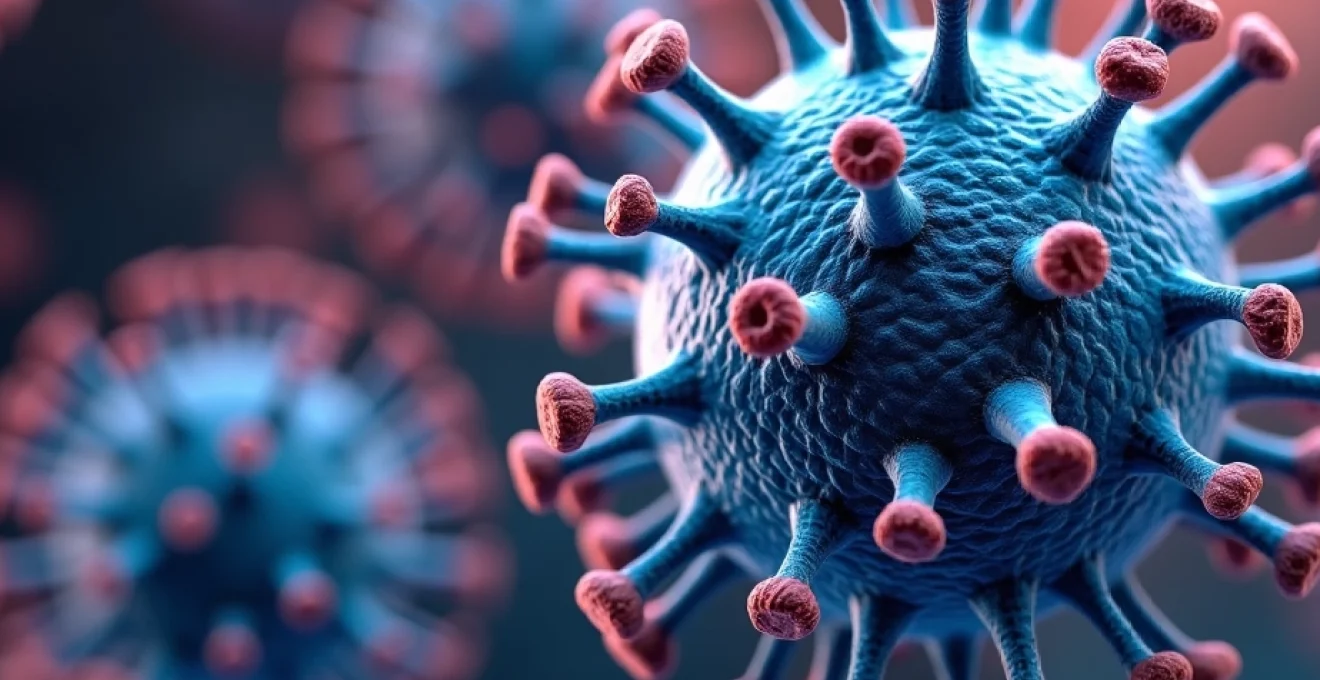
The relationship between COVID-19 vaccines and neurological health has become a subject of intense scientific scrutiny, particularly regarding potential effects on cognitive function and dementia development. Recent studies from South Korea and the UK have raised important questions about whether vaccination, particularly with mRNA vaccines, might influence the risk of developing Alzheimer’s disease and mild cognitive impairment. While the overwhelming consensus supports vaccination as essential for preventing severe COVID-19, understanding potential neurological implications requires careful examination of emerging evidence from multiple large-scale population studies.
COVID-19 vaccine types and neurological mechanisms
Understanding how different vaccine types might affect brain health requires examining their distinct mechanisms of action and tissue distribution patterns. The primary COVID-19 vaccines fall into several categories, each with unique characteristics that could theoretically influence neurological function through different pathways.
Mrna vaccines and Blood-Brain barrier permeability
mRNA vaccines, including the Pfizer-BioNTech formulation, utilise lipid nanoparticles to deliver genetic instructions for spike protein production. Recent research has indicated that these nanoparticles may cross the blood-brain barrier, though the extent and significance remain under investigation. The Korean National Health Insurance Service study revealed a concerning pattern where mRNA vaccine recipients showed significantly higher odds ratios for developing both Alzheimer’s disease and mild cognitive impairment compared to unvaccinated individuals.
The mechanism potentially involves inflammatory responses triggered by spike protein expression within neural tissue. When brain cells produce the SARS-CoV-2 spike protein following vaccination, this could theoretically activate microglial cells and trigger neuroinflammatory cascades. However, researchers emphasise that correlation does not establish causation, and multiple confounding variables could explain these associations.
Adenoviral vector vaccines and microglial activation
Adenoviral vector vaccines, such as those developed by AstraZeneca and Johnson & Johnson, utilise modified viruses to deliver genetic material. These vaccines may interact with brain tissue differently than mRNA formulations, potentially through direct viral vector effects on neural cells or through systemic inflammatory responses that secondarily affect the central nervous system.
Research suggests that adenoviral vectors can trigger robust innate immune responses, including complement system activation and cytokine release. In vulnerable populations, particularly older adults with existing neuroinflammatory conditions, these responses might contribute to accelerated neurodegeneration processes. However, definitive evidence linking these mechanisms to dementia development remains limited .
Spike protein expression in neural tissue
Both mRNA and viral vector vaccines result in spike protein expression throughout the body, potentially including neural tissue. The duration and intensity of this expression vary between vaccine types and individual immune responses. Some researchers hypothesise that prolonged spike protein presence in brain tissue could contribute to neuroinflammatory processes similar to those observed in COVID-19 infection itself.
The spike protein’s potential to cross the blood-brain barrier and interact with neural receptors represents a key area of investigation. Studies examining post-vaccination biodistribution patterns suggest that vaccine components may reach various organs, though the clinical significance of neural tissue exposure remains unclear. Understanding these distribution patterns becomes crucial when evaluating potential long-term neurological effects.
Lipid nanoparticle distribution in brain regions
Lipid nanoparticles used in mRNA vaccines demonstrate complex biodistribution patterns that may include accumulation in brain tissue. Japanese regulatory data initially suggested potential concentration in certain organs, though subsequent analyses have questioned the clinical relevance of these findings. The particles’ ability to cross biological barriers, including potentially the blood-brain barrier, raises questions about their interaction with neural tissue.
Regional brain distribution patterns could theoretically influence which cognitive domains might be most affected. Areas responsible for memory formation, such as the hippocampus, or executive function regions like the prefrontal cortex, might show differential vulnerability to vaccine-induced inflammatory responses. However, current evidence remains insufficient to establish clear causal relationships between lipid nanoparticle distribution and cognitive decline.
Dementia pathophysiology and Vaccine-Induced immune responses
The intersection between vaccine-induced immune responses and dementia pathophysiology presents a complex landscape requiring careful scientific analysis. Understanding how vaccination might theoretically influence neurodegeneration processes requires examining established dementia mechanisms and potential points of intersection with immune activation.
Amyloid-beta plaques and cytokine storm interactions
Alzheimer’s disease pathology centres on amyloid-beta plaque formation and tau protein aggregation. Recent research has identified potential connections between COVID-19 infection and accelerated amyloid pathology, with some studies suggesting that SARS-CoV-2 infection might increase beta-amyloid accumulation. This raises questions about whether vaccination, through immune system activation, might influence similar pathways.
Cytokine release following vaccination could theoretically interact with existing amyloid processes. Pro-inflammatory cytokines like interleukin-1β and tumour necrosis factor-α, which increase following vaccination, have been implicated in amyloid metabolism and tau phosphorylation. However, the magnitude and duration of vaccine-induced cytokine responses differ significantly from those observed in severe COVID-19 infection.
The relationship between acute immune activation and chronic neurodegeneration remains one of the most challenging areas in neuroscience research, requiring long-term observational studies to establish meaningful connections.
Tau protein hyperphosphorylation following vaccination
Tau protein abnormalities represent another hallmark of Alzheimer’s disease and related dementias. Some researchers have hypothesised that vaccine-induced inflammatory responses might influence tau phosphorylation patterns, particularly in individuals with pre-existing vulnerability factors. The Korean study’s finding of increased mild cognitive impairment risk following mRNA vaccination has prompted investigations into potential tau-related mechanisms.
Inflammatory mediators can activate kinases responsible for tau hyperphosphorylation, potentially accelerating neurofibrillary tangle formation. However, distinguishing between normal immune responses and pathological processes requires sophisticated biomarker studies and long-term follow-up. Current evidence suggests that any tau-related effects would likely be subtle and require large population studies to detect reliably.
Neuroinflammation markers in Post-Vaccination studies
Emerging research has begun examining neuroinflammation markers following COVID-19 vaccination, though comprehensive data remains limited. Some studies have reported transient increases in inflammatory markers, including C-reactive protein and various interleukins, following vaccination. The significance of these changes for long-term brain health continues to be investigated.
Microglial activation, the brain’s primary inflammatory response mechanism, might theoretically be influenced by systemic immune responses following vaccination. Activated microglia can release neurotoxic substances and contribute to synaptic damage, though they also perform essential neuroprotective functions. Determining whether vaccine-induced microglial responses tip toward beneficial or harmful outcomes requires more sophisticated research approaches.
Complement system activation and synaptic pruning
The complement system, part of innate immunity, plays crucial roles in both immune defence and synaptic pruning during brain development and aging. COVID-19 vaccines activate complement pathways as part of their protective immune response, but excessive or prolonged activation might theoretically contribute to inappropriate synaptic elimination in vulnerable individuals.
Research has identified complement-mediated synaptic loss as a key mechanism in Alzheimer’s disease progression. If vaccination triggers sustained complement activation in brain tissue, this could theoretically accelerate synaptic damage in predisposed individuals. However, current evidence suggests that vaccine-induced complement responses are typically brief and proportionate , unlike the chronic activation seen in neurodegenerative diseases.
Clinical evidence from longitudinal cohort studies
Large-scale epidemiological studies provide the most robust evidence for evaluating potential associations between COVID-19 vaccination and dementia risk. Multiple international cohorts have begun reporting findings, though the relatively short follow-up periods limit definitive conclusions about long-term neurological effects.
UK biobank vaccination and cognitive decline analysis
The UK Biobank represents one of the world’s largest prospective health databases, containing detailed information on hundreds of thousands of participants. Recent analyses of vaccination effects on cognitive function have yielded mixed results, with some studies suggesting protective effects against COVID-19-related cognitive decline, while others have raised questions about potential risks in specific subgroups.
UK researchers examining post-vaccination cognitive assessments found that most participants maintained stable cognitive function following vaccination. However, subset analyses revealed potential concerns in individuals with pre-existing risk factors, including advanced age, cardiovascular disease, or genetic predisposition to dementia. These findings highlight the importance of individualised risk assessment rather than population-wide generalisations.
Mayo clinic alzheimer’s disease research center findings
The Mayo Clinic’s extensive research network has contributed valuable insights into vaccination effects among individuals at various stages of cognitive decline. Their longitudinal studies suggest that vaccination generally provides protective benefits by preventing COVID-19 infection, which itself poses significant risks for cognitive deterioration in older adults.
However, researchers have noted the need for longer follow-up periods to assess potential delayed effects. The Mayo Clinic studies emphasise that any theoretical vaccination risks must be weighed against the well-documented cognitive consequences of COVID-19 infection itself. Their data suggests that the benefits of preventing infection far outweigh potential vaccination-related risks in most populations.
Framingham heart study neurological outcomes
The Framingham Heart Study, with its decades-long follow-up of cardiovascular and neurological health, has begun incorporating COVID-19 vaccination data into its analyses. Preliminary findings suggest no significant increases in dementia incidence among vaccinated participants, though researchers acknowledge the need for extended observation periods.
Framingham researchers have emphasised the importance of controlling for multiple confounding variables when evaluating vaccination effects. Factors such as health-seeking behaviour, socioeconomic status, and baseline health status can significantly influence apparent associations between vaccination and neurological outcomes. Their methodology provides a template for rigorous evaluation of vaccine safety signals.
European alzheimer’s disease initiative registry data
European registry data encompassing multiple countries provides insights into vaccination effects across diverse populations and healthcare systems. The European Alzheimer’s Disease Initiative has compiled data from thousands of participants, revealing generally reassuring safety profiles for COVID-19 vaccines in terms of dementia risk.
However, the registry data has identified certain subgroups that may warrant additional monitoring, including individuals with APOE4 genetic variants and those with existing mild cognitive impairment. These findings support personalised approaches to vaccination decision-making rather than universal recommendations without consideration of individual risk factors.
Molecular mimicry and autoimmune neurodegeneration risk
Molecular mimicry represents one of the most theoretically concerning mechanisms by which vaccines might contribute to neurological complications. This phenomenon occurs when vaccine-induced antibodies or T-cell responses cross-react with host tissues, potentially triggering autoimmune processes that could affect brain function.
SARS-CoV-2 spike protein shares certain structural similarities with human proteins, raising theoretical concerns about autoimmune responses. Some researchers have identified potential cross-reactivity between spike protein antibodies and neural proteins, though the clinical significance of these laboratory findings remains unclear. Most individuals develop spike protein antibodies following vaccination without apparent neurological consequences.
The concept of molecular mimicry becomes particularly relevant when considering the blood-brain barrier’s role in protecting neural tissue from immune responses. If vaccination triggers antibodies that can cross this barrier and react with brain proteins, this could theoretically initiate neuroinflammatory processes. However, documented cases of such reactions remain extremely rare , and most immune responses appear to remain appropriately targeted.
Understanding the balance between protective immunity and potential autoimmune reactions requires sophisticated immunological monitoring that extends beyond simple efficacy measurements to include detailed autoantibody profiling and long-term neurological surveillance.
Research into molecular mimicry mechanisms has identified several proteins of potential concern, including those involved in synaptic function and neuronal maintenance. However, the mere presence of cross-reactive antibodies does not necessarily translate to clinical disease. The immune system possesses multiple regulatory mechanisms designed to prevent inappropriate responses against self-tissues, and these appear to function effectively in most vaccinated individuals.
Age-stratified vaccination effects on cognitive function
Age represents perhaps the most critical factor in evaluating potential vaccination effects on cognitive function. The Korean study’s findings of increased dementia risk following mRNA vaccination showed particular prominence in older adults, suggesting that age-related changes in immune function and blood-brain barrier integrity might influence neurological outcomes following vaccination.
Immunosenescence, the age-related decline in immune system function, affects both vaccine responses and the risk of inappropriate immune activation. Older adults often develop different patterns of antibody and cellular immune responses following vaccination, which could theoretically influence neurological effects. Additionally, age-related increases in blood-brain barrier permeability might allow greater vaccine component access to neural tissue.
The relationship between aging and vaccination effects becomes particularly complex when considering baseline dementia risk. Older adults face naturally increasing dementia incidence rates, making it challenging to distinguish between age-related cognitive decline and potential vaccine-related effects. Robust statistical methods and appropriate control groups become essential for accurate risk assessment in these populations.
Clinical studies examining age-stratified vaccination effects have generally found reassuring safety profiles across age groups, though subtle differences in response patterns have been noted. Older adults may experience different durations of immune activation following vaccination, potentially influencing any theoretical neurological effects. However, the protective benefits against COVID-19 infection, which itself poses significant cognitive risks, generally outweigh potential vaccination-related concerns in most older adults.
Current research limitations and future neuroprotection studies
The current state of research into COVID-19 vaccination and dementia risk faces several significant limitations that must be acknowledged when interpreting available evidence. Follow-up periods remain relatively short considering the typical decades-long progression of neurodegenerative diseases. Most studies examining vaccination effects have observation periods of months to a few years, insufficient for detecting subtle long-term neurological changes.
Confounding variables present another major challenge in vaccine safety research. Vaccinated individuals often differ systematically from unvaccinated populations in terms of health consciousness, socioeconomic status, and baseline health conditions. These differences can create apparent associations that do not reflect causal relationships. The Korean study, despite its large size, acknowledged limitations in controlling for all relevant confounding factors.
Biomarker research represents a promising avenue for future investigation, potentially allowing earlier detection of neurological changes than clinical symptoms would permit. Studies examining cerebrospinal fluid markers, neuroimaging changes, and blood-based biomarkers of neurodegeneration could provide more sensitive measures of potential vaccination effects. However, such research requires substantial resources and long-term commitment from research institutions.
Future neuroprotection studies should incorporate sophisticated control mechanisms, including comparison groups receiving different vaccine types and comprehensive baseline cognitive assessments. The development of standardised protocols for monitoring neurological outcomes following vaccination would facilitate better comparison across studies and populations. Additionally, research into potential protective interventions, should risks be confirmed, could provide reassurance to both patients and healthcare providers.
The complexity of neurological research demands patience and methodological rigour, as rushing to conclusions based on preliminary data could either inappropriately alarm the public or miss genuine safety signals that require attention.
International collaboration will prove essential for accumulating sufficient data to draw meaningful conclusions about rare but potentially serious neurological effects. Large-scale meta-analyses combining data from multiple countries and healthcare systems could provide the statistical power needed to detect subtle associations. However, such efforts must maintain rigorous quality standards and appropriate statistical methodologies to avoid spurious findings.