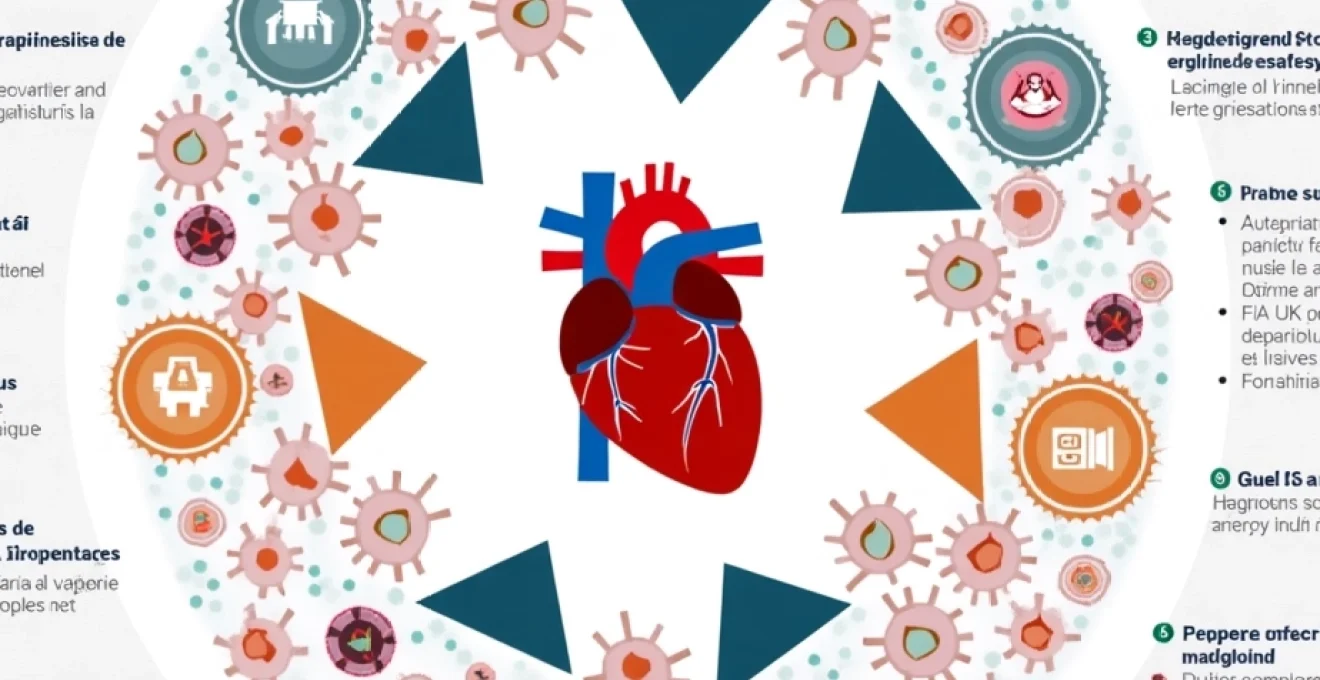
Recent groundbreaking research has revealed an unexpected connection between shingles vaccination and cardiovascular health, challenging traditional perspectives on immunisation benefits. Multiple large-scale studies involving over a million participants have demonstrated that individuals receiving the shingles vaccine experience significantly reduced risks of heart attacks, strokes, and other cardiovascular events. This remarkable finding extends far beyond the vaccine’s primary purpose of preventing the painful herpes zoster infection, suggesting that vaccination strategies may play a more comprehensive role in disease prevention than previously understood.
The implications of these discoveries are particularly significant for healthcare providers and patients aged 50 and older, who represent the primary demographic for shingles vaccination. Understanding the cardiovascular implications of shingles immunisation has become crucial for informed medical decision-making, especially as healthcare systems worldwide continue to expand vaccination programmes and refine clinical guidelines.
Shingrix vaccine composition and cardiovascular safety profile
The modern recombinant zoster vaccine, commonly known as Shingrix, represents a significant advancement in shingles prevention technology compared to its predecessor, Zostavax. This non-live vaccine contains purified glycoprotein E from the varicella-zoster virus combined with the AS01B adjuvant system, creating a robust immune response without introducing live viral particles into the recipient’s system.
Clinical trials and real-world evidence have consistently demonstrated that Shingrix maintains an excellent cardiovascular safety profile whilst delivering superior efficacy rates exceeding 90% in preventing shingles. The vaccine’s composition allows for administration to immunocompromised individuals who cannot receive live vaccines, expanding its potential cardiovascular protective benefits to vulnerable populations who may be at higher risk for both shingles complications and heart disease.
Recombinant zoster vaccine adjuvant AS01B cardiac interactions
The AS01B adjuvant system in Shingrix consists of liposomes containing monophosphoryl lipid A and QS-21 saponin, components designed to enhance immune response durability. Extensive pharmacovigilance data indicates that these adjuvant components do not adversely interact with cardiac medications or exacerbate existing cardiovascular conditions. Post-marketing surveillance has revealed no significant increase in cardiac adverse events attributed specifically to the AS01B adjuvant system.
Varicella-zoster virus glycoprotein E immunogenic response
The glycoprotein E component serves as the primary antigenic target, stimulating both humoral and cellular immune responses that provide long-lasting protection against varicella-zoster virus reactivation. Research suggests that this targeted immune response may contribute to the observed cardiovascular benefits by preventing the inflammatory cascade associated with herpes zoster infections. The protein’s structure allows for precise immune system training without triggering excessive inflammatory responses that could potentially stress cardiovascular systems.
Phase III clinical trial cardiovascular adverse events data
Comprehensive analysis of Phase III clinical trials involving over 30,000 participants revealed no statistically significant increase in major adverse cardiovascular events among Shingrix recipients compared to placebo groups. Serious adverse events related to cardiovascular complications occurred at similar rates across both study arms, providing reassuring evidence of the vaccine’s cardiac safety profile. These findings formed the foundation for regulatory approval and continue to support confidence in the vaccine’s cardiovascular neutrality.
Zostavax versus shingrix cardiac safety comparison
The transition from Zostavax, a live attenuated vaccine, to Shingrix has provided valuable insights into comparative cardiovascular safety profiles. Studies examining both vaccines have found similar protective effects against cardiovascular events, suggesting that the mechanism of protection is related to shingles prevention rather than specific vaccine components. However, Shingrix’s superior efficacy and longer duration of protection may translate to enhanced cardiovascular benefits over time, as individuals maintain stronger immunity against varicella-zoster virus reactivation.
Post-marketing surveillance cardiovascular event reports
Global pharmacovigilance systems have maintained rigorous monitoring of cardiovascular events following shingles vaccination since both vaccines entered widespread use. These comprehensive surveillance networks, spanning multiple continents and healthcare systems, provide crucial real-world safety data that complement controlled clinical trial findings. The accumulated evidence from millions of vaccine doses administered worldwide continues to support the cardiovascular safety profile established during pre-licensure studies.
Systematic analysis of post-marketing data has revealed patterns consistent with the protective cardiovascular effects observed in large-scale epidemiological studies. Rather than identifying safety concerns, surveillance systems have documented instances of apparent cardiovascular benefit, aligning with research demonstrating reduced heart attack and stroke risks among vaccinated populations. These observational findings have prompted increased scientific interest in the mechanisms underlying the vaccine’s cardioprotective properties.
VAERS database myocarditis and pericarditis incidence rates
Analysis of the Vaccine Adverse Event Reporting System (VAERS) database reveals extremely low reporting rates of myocarditis and pericarditis following shingles vaccination. Among millions of doses administered, reported cases of cardiac inflammation remain well within expected background rates for the vaccinated age groups. The data suggests no causal relationship between shingles vaccination and inflammatory cardiac conditions, providing reassurance for individuals with concerns about vaccine-associated cardiac risks.
UK yellow card scheme cardiac adverse drug reactions
The United Kingdom’s Yellow Card Scheme has documented comprehensive safety data following widespread Shingrix implementation across the NHS. Reports of cardiac adverse events following shingles vaccination remain consistent with expected rates in the target demographic, with no signals suggesting increased cardiovascular risk. The scheme’s robust reporting mechanisms have actually captured data supporting potential cardiovascular benefits, contributing to the growing body of evidence favouring shingles vaccination for heart health protection.
European medicines agency pharmacovigilance risk assessment
Periodic safety updates submitted to the European Medicines Agency continue to demonstrate favourable cardiovascular risk-benefit profiles for both currently available shingles vaccines. The agency’s comprehensive risk assessment processes have not identified any cardiovascular safety concerns requiring label modifications or prescribing restrictions. Regular review cycles incorporate emerging evidence of potential cardiovascular benefits, leading to ongoing evaluation of whether protective effects warrant inclusion in official prescribing information.
FDA biological license application safety updates
The United States Food and Drug Administration receives periodic safety updates that consistently support the cardiovascular safety of shingles vaccines. These reports, compiled from global safety databases and post-marketing studies, demonstrate continued absence of cardiovascular safety signals whilst documenting emerging evidence of protective effects. Regulatory authorities are increasingly interested in understanding the mechanisms behind observed cardiovascular benefits and their implications for vaccination policy.
Inflammatory response mechanisms and cardiac tissue effects
The relationship between herpes zoster infection and cardiovascular disease involves complex inflammatory pathways that help explain why shingles vaccination may provide cardiac protection. When the varicella-zoster virus reactivates, it triggers a cascade of inflammatory responses that extend far beyond the characteristic skin rash. These systemic inflammatory processes can affect blood vessel walls, promoting atherosclerotic plaque instability and increasing risks of thrombotic events.
Research has demonstrated that shingles infection can cause direct invasion of cerebral and coronary arteries, leading to vasculitis and subsequent cardiovascular complications. The inflammatory response includes elevation of C-reactive protein, interleukin-6, and other biomarkers associated with increased cardiovascular risk. By preventing viral reactivation, shingles vaccination effectively eliminates these inflammatory triggers, potentially explaining the observed reduction in heart attacks and strokes among vaccinated individuals.
The varicella-zoster virus can cause complications with many different organ systems, including the heart and nervous system, highlighting the importance of prevention through vaccination.
The temporal relationship between shingles infection and cardiovascular events provides compelling evidence for this inflammatory mechanism. Studies have shown that the risk of stroke increases by up to 30% in the weeks following a shingles episode, whilst heart attack risk rises by approximately 40% during the same period. This elevated risk persists for months after the acute infection resolves, suggesting that the inflammatory damage has lasting effects on cardiovascular health that vaccination can prevent.
Pre-existing cardiovascular conditions and vaccination contraindications
Individuals with pre-existing cardiovascular conditions often express concerns about vaccine safety, yet current evidence suggests that these patients may derive the greatest benefit from shingles vaccination. The immunocompromised state associated with many cardiac conditions, particularly heart failure and following cardiac procedures, increases both susceptibility to severe shingles and risk of cardiovascular complications from the infection. Healthcare providers increasingly recognise that the protective benefits of vaccination far outweigh theoretical risks for most cardiac patients.
Current vaccination guidelines do not list cardiovascular disease as a contraindication to shingles vaccination, reflecting the extensive safety data accumulated across diverse patient populations. However, clinical judgement remains important when timing vaccination around acute cardiovascular events or major cardiac procedures. Most cardiologists now recommend shingles vaccination as part of comprehensive preventive care for their patients, recognising the potential for dual protection against both infectious disease and cardiovascular events.
Acute coronary syndrome patient risk stratification
Patients recovering from acute coronary syndrome represent a particularly vulnerable population that may benefit significantly from shingles vaccination. The stress of major cardiac events can suppress immune function, increasing susceptibility to viral reactivation and subsequent complications. Clinical practice guidelines increasingly recommend vaccination during the stable recovery phase, typically 4-6 weeks after the acute event, when patients have achieved clinical stability and optimal medical therapy.
Heart failure NYHA classification vaccination guidelines
Heart failure patients across all New York Heart Association functional classifications can safely receive shingles vaccination, with potential for enhanced cardiovascular protection. The chronic inflammatory state associated with heart failure may amplify the cardiovascular risks of shingles infection, making prevention particularly valuable. Recent studies suggest that the anti-inflammatory effects of preventing shingles may contribute to improved heart failure outcomes, though more research is needed to establish definitive causation.
Atrial fibrillation anticoagulation therapy interactions
Patients with atrial fibrillation receiving anticoagulation therapy can safely receive shingles vaccination without dose adjustments or therapy interruptions. The intramuscular injection poses minimal bleeding risk even for patients on therapeutic anticoagulation, and the potential cardiovascular benefits may be particularly relevant for this population at elevated stroke risk. Coordination between cardiologists and primary care providers ensures optimal timing and monitoring for these complex patients.
Hypertensive crisis management during immunisation
Severe hypertension does not contraindicate shingles vaccination, though blood pressure should be reasonably controlled before administration. The vaccine’s cardiovascular protective effects may provide additional benefits for hypertensive patients, who face elevated risks of both shingles complications and cardiovascular events. Healthcare providers should ensure appropriate blood pressure management whilst recognising that vaccination timing need not be delayed for mild to moderate hypertension.
Systematic reviews and Meta-Analysis of cardiac safety evidence
Multiple systematic reviews and meta-analyses have examined the relationship between shingles vaccination and cardiovascular outcomes, consistently demonstrating safety and suggesting protective benefits. A comprehensive global systematic review presented at the European Society of Cardiology Congress analysed 19 studies encompassing diverse populations and vaccination strategies. The meta-analysis revealed an 18% reduction in cardiovascular event risk among adults aged 18-49 and a 16% reduction in those aged 50 and older, with absolute risk reductions ranging from 1.2 to 2.2 fewer events per 1,000 person-years.
The largest individual study, published in the European Heart Journal, followed over 1.2 million South Korean adults and demonstrated a 23% overall reduction in cardiovascular events among vaccinated individuals. This massive cohort study provided unprecedented statistical power to detect associations whilst controlling for numerous confounding variables including age, socioeconomic status, and lifestyle factors. The consistency of findings across different populations and healthcare systems strengthens confidence in the observed protective effects.
Our study suggests that the shingles vaccine may help lower the risk of heart disease, even in people without known risk factors, demonstrating potential benefits beyond preventing shingles itself.
Subgroup analyses within these systematic reviews have revealed particularly strong protective effects in specific populations. Men appear to derive greater cardiovascular benefit than women, possibly due to differences in immune response or baseline cardiovascular risk profiles. Adults under age 60 show more pronounced protection, likely reflecting more robust immune responses to vaccination. Perhaps most intriguingly, individuals with unhealthy lifestyles including smoking, excessive alcohol consumption, and physical inactivity demonstrate the greatest cardiovascular risk reduction, suggesting that vaccination may help mitigate some lifestyle-related cardiovascular risks.
The durability of cardiovascular protection represents another crucial finding from meta-analytic evidence. Protection appears strongest in the first 2-3 years following vaccination but persists for up to eight years, indicating that the cardiovascular benefits extend well beyond the acute post-vaccination period. This sustained protection timeline aligns with the vaccine’s efficacy against shingles itself, supporting the hypothesis that preventing viral reactivation underlies the observed cardiovascular benefits.
Clinical practice guidelines for cardiac risk assessment Pre-Vaccination
Current clinical practice guidelines do not recommend specific cardiac risk assessment before shingles vaccination for most patients, reflecting the vaccine’s excellent safety profile and potential cardiovascular benefits. However, clinical wisdom suggests that healthcare providers should consider individual patient circumstances when timing vaccination, particularly for those with recent acute cardiovascular events or unstable cardiac conditions. The goal is optimising vaccination timing to maximise benefits whilst ensuring patient safety and comfort.
For patients with stable cardiovascular disease, vaccination can proceed without special precautions beyond standard contraindication screening. Those with recent hospitalisation for cardiovascular events should typically wait until clinical stability is achieved, usually within 4-8 weeks depending on the specific condition and recovery trajectory. The decision-making process should weigh the immediate vaccination benefits against any theoretical concerns about immune system activation during the acute recovery period.
Healthcare providers are increasingly incorporating cardiovascular risk stratification into routine vaccination counselling, helping patients understand both the primary shingles prevention benefits and emerging evidence of cardiovascular protection. This comprehensive approach recognises that vaccination decisions involve multiple health considerations beyond the target disease prevention. Patient education should emphasise that for most individuals with cardiovascular disease, shingles vaccination represents an opportunity for dual protection rather than an additional risk factor.
The evolving evidence base continues to influence clinical practice patterns, with many cardiologists now actively recommending shingles vaccination to their patients. This represents a shift from neutral acceptance to active advocacy, reflecting growing recognition of vaccination’s potential role in comprehensive cardiovascular risk reduction. As research continues to elucidate the mechanisms behind these protective effects, clinical guidelines may evolve to more explicitly incorporate cardiovascular considerations into shingles vaccination recommendations.