Cardiovascular disease remains the leading cause of death globally, with stroke ranking as the fifth leading cause of mortality in the United States alone. However, the remarkable news is that the majority of strokes and heart attacks are entirely preventable through strategic dietary choices and lifestyle modifications. The foods you consume daily possess extraordinary power to influence your cardiovascular health, acting as natural medicine that can significantly reduce your risk of these life-threatening conditions.
Research consistently demonstrates that specific nutrients and bioactive compounds found in whole foods can dramatically improve heart health by addressing multiple risk factors simultaneously. From reducing inflammation and lowering blood pressure to improving cholesterol profiles and enhancing endothelial function, the right dietary approach serves as a comprehensive shield against cardiovascular disease. Understanding which foods provide the greatest protective benefits and how they work at the molecular level empowers you to make informed choices that could literally save your life.
Omega-3 fatty acids and cardiovascular protection mechanisms
Omega-3 fatty acids represent one of the most extensively researched nutrients for cardiovascular protection, with compelling evidence supporting their role in preventing both stroke and heart attack. These essential polyunsaturated fats work through multiple sophisticated mechanisms to safeguard your heart and blood vessels. The three primary types of omega-3 fatty acids – EPA (eicosapentaenoic acid), DHA (docosahexaenoic acid), and ALA (alpha-linolenic acid) – each contribute unique protective benefits that work synergistically to reduce cardiovascular risk by up to 35% in some populations.
EPA and DHA concentrations in Wild-Caught salmon and mackerel
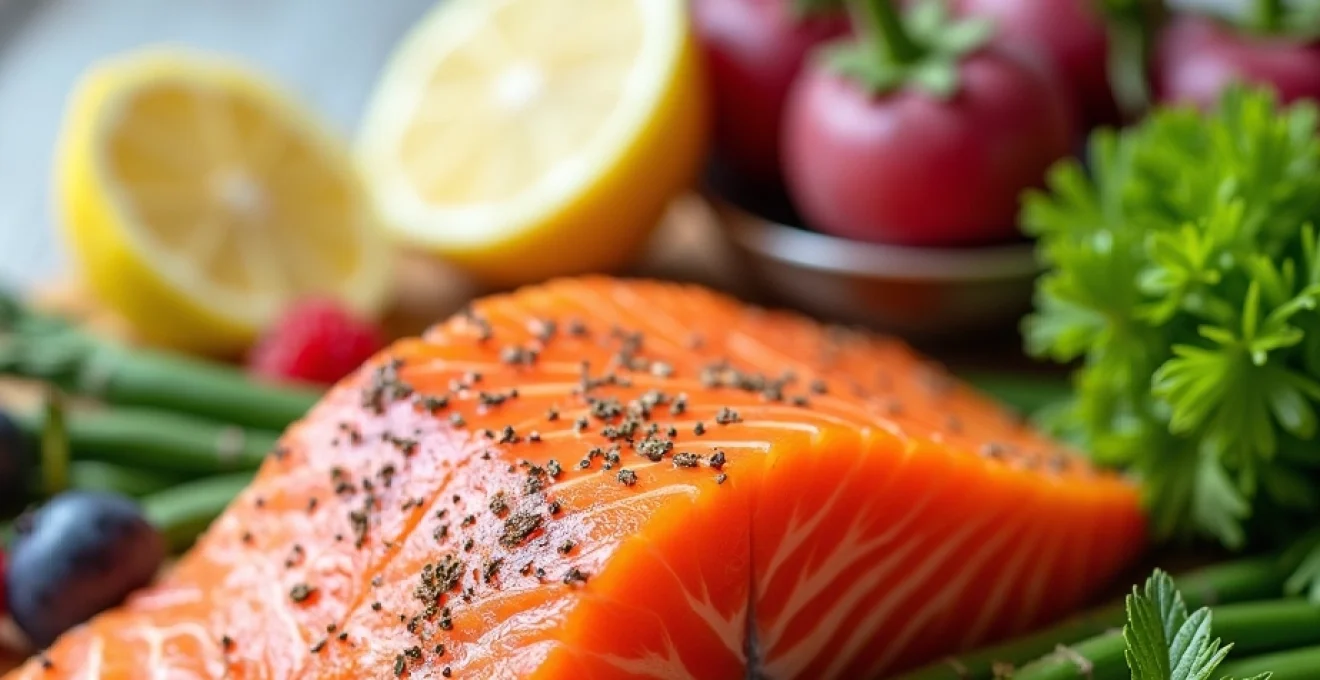
Wild-caught salmon and mackerel contain exceptionally high concentrations of EPA and DHA, with Atlantic salmon providing approximately 1.8 grams of omega-3 fatty acids per 100-gram serving. These marine-derived omega-3s demonstrate superior bioavailability compared to plant-based sources, with absorption rates reaching 85-90% when consumed with dietary fat. The EPA content in mackerel can reach up to 900 milligrams per serving, making it one of the most potent natural sources for cardiovascular protection.
Regular consumption of these fatty fish has been associated with a 27% reduction in cardiovascular mortality and a 20% decrease in stroke risk. The optimal intake appears to be two to three servings of fatty fish per week, providing approximately 1-2 grams of combined EPA and DHA daily. Sardines, anchovies, and herring also provide exceptional omega-3 concentrations while offering the additional benefit of lower mercury content compared to larger predatory fish.
Alpha-linolenic acid sources: flaxseeds and chia seeds bioavailability
Plant-based omega-3 sources, particularly flaxseeds and chia seeds, provide alpha-linolenic acid (ALA) that requires conversion to EPA and DHA within the body. This conversion process is relatively inefficient, with only 8-12% of consumed ALA converting to EPA and less than 1% to DHA. However, ALA still provides significant cardiovascular benefits through its own anti-inflammatory pathways and direct effects on heart rhythm stability.
Ground flaxseeds offer superior bioavailability compared to whole seeds, as the tough outer hull prevents nutrient absorption. A single tablespoon of ground flaxseed provides approximately 1.6 grams of ALA, contributing to daily omega-3 requirements. Chia seeds offer the advantage of natural stability and can be consumed without grinding, providing 2.5 grams of ALA per ounce while also delivering substantial amounts of soluble fibre and plant-based protein.
Mediterranean diet studies: lyon diet heart study clinical outcomes
The Lyon Diet Heart Study remains one of the most significant clinical trials demonstrating the cardiovascular protective effects of omega-3 rich foods within a Mediterranean dietary pattern. This landmark study showed a remarkable 70% reduction in cardiac mortality and a 61% reduction in cancer mortality among participants following a Mediterranean diet enriched with alpha-linolenic acid sources. The study participants consumed increased amounts of fatty fish, walnuts, and canola oil while reducing saturated fat intake.
The Mediterranean approach emphasises whole foods rather than isolated nutrients , highlighting how omega-3 fatty acids work most effectively within a comprehensive dietary framework. Subsequent studies have confirmed these findings, with the PREDIMED trial showing similar reductions in cardiovascular events among high-risk individuals following Mediterranean dietary patterns rich in omega-3 sources.
Omega-3 Anti-Inflammatory pathways and eicosanoid production
Omega-3 fatty acids exert their cardiovascular protective effects primarily through their influence on eicosanoid production and inflammatory pathways. EPA and DHA compete with arachidonic acid (omega-6) for incorporation into cell membranes, leading to the production of less inflammatory eicosanoids such as prostaglandin E3 and leukotriene B5. This shift in eicosanoid production reduces systemic inflammation, a key driver of atherosclerosis and cardiovascular disease.
Additionally, omega-3 fatty acids activate specialized pro-resolving mediators (SPMs) including resolvins and protectins, which actively resolve inflammation rather than simply suppressing it. These compounds help restore normal tissue function following inflammatory episodes and prevent the chronic low-grade inflammation associated with cardiovascular disease progression.
Antioxidant-rich foods and endothelial function enhancement
The endothelium, the delicate inner lining of blood vessels, plays a crucial role in cardiovascular health by regulating blood flow, preventing blood clots, and maintaining vascular integrity. Antioxidant-rich foods provide essential protection for endothelial cells against oxidative stress, which can lead to dysfunction and increased cardiovascular risk. Foods high in antioxidants work like a protective shield , neutralising harmful free radicals that would otherwise damage blood vessel walls and promote atherosclerosis.
The concept of antioxidant synergy is particularly important when considering cardiovascular protection. Rather than relying on single antioxidant supplements, consuming a variety of antioxidant-rich whole foods provides a complex array of protective compounds that work together more effectively than isolated nutrients. This synergistic approach has been shown to improve flow-mediated dilation, a key marker of endothelial function, by up to 45% in some studies.
Anthocyanins in blueberries and stroke risk reduction data
Blueberries contain exceptionally high concentrations of anthocyanins, particularly malvidin and delphinidin, which provide both their distinctive colour and remarkable cardiovascular benefits. The Nurses’ Health Study, following over 93,000 women for 18 years, found that those consuming the highest amounts of anthocyanin-rich foods had a 32% lower risk of heart attack compared to those with the lowest intake. Specifically, consuming three or more servings of blueberries and strawberries per week was associated with significant cardiovascular protection.
Fresh blueberries provide approximately 163 milligrams of anthocyanins per cup, with frozen varieties retaining similar concentrations. The bioavailability of blueberry anthocyanins reaches peak plasma levels within 1-2 hours of consumption, with effects on endothelial function measurable for up to 24 hours. Regular consumption appears to improve arterial stiffness and reduce systolic blood pressure by an average of 4-6 mmHg in clinical trials.
Resveratrol mechanisms in red wine and dark chocolate
Resveratrol, found in red wine and dark chocolate, activates sirtuins – longevity proteins that protect against cellular damage and inflammation. This compound demonstrates remarkable ability to improve endothelial function through multiple pathways, including enhanced nitric oxide production and reduced oxidative stress. However, the concentrations of resveratrol in red wine vary significantly, with Pinot Noir containing the highest levels at approximately 12 milligrams per litre.
Dark chocolate with 70% or higher cocoa content provides both resveratrol and flavonoids, creating synergistic cardiovascular benefits. Studies show that consuming 40-50 grams of high-quality dark chocolate daily can reduce cardiovascular disease risk by up to 37%. The key lies in choosing products with minimal processing and added sugars , as these factors can negate the protective benefits of the underlying cocoa compounds.
Vitamin C bioactive compounds in citrus fruits and bell peppers
Vitamin C functions as both a direct antioxidant and a cofactor for numerous enzymatic processes essential for cardiovascular health, including collagen synthesis and carnitine production. Citrus fruits provide not only vitamin C but also hesperidin and other flavonoids that enhance the vitamin’s bioavailability and effectiveness. A single medium orange provides approximately 70 milligrams of vitamin C, while red bell peppers contain an impressive 190 milligrams per cup – more than twice the daily recommended intake.
The bioactive compounds in citrus fruits work through complementary mechanisms to support endothelial function. Hesperidin specifically improves microcirculation and reduces inflammatory markers, while vitamin C helps regenerate other antioxidants like vitamin E. Regular consumption of citrus fruits has been associated with a 19% reduction in stroke risk and improved arterial compliance in clinical studies.
Polyphenol content analysis: green tea catechins and pomegranates
Green tea catechins, particularly epigallocatechin gallate (EGCG), demonstrate exceptional cardiovascular protective properties through their effects on lipid metabolism and endothelial function. A typical cup of green tea provides 50-100 milligrams of catechins, with matcha powder containing up to 10 times higher concentrations. Japanese studies following over 40,000 adults found that consuming five or more cups of green tea daily was associated with a 26% reduction in cardiovascular mortality.
Pomegranates contain unique ellagitannins that convert to urolithin A in the gut, providing sustained antioxidant protection for up to 48 hours after consumption.
The polyphenol content of pomegranate juice can reach 2,500 milligrams per litre, making it one of the most antioxidant-dense beverages available
. Regular pomegranate consumption has been shown to reduce arterial plaque formation and improve blood flow in clinical trials involving patients with existing cardiovascular disease.
Nitrate-rich vegetables and nitric oxide vasodilation
Dietary nitrates found in certain vegetables undergo conversion to nitric oxide in the body, a critical molecule for cardiovascular health that promotes vasodilation, reduces blood pressure, and improves overall circulation. This natural pathway provides a powerful mechanism for cardiovascular protection that works independently of traditional pharmaceutical interventions. Think of nitrates as nature’s vasodilators , working continuously to keep your blood vessels relaxed and your blood pressure optimal.
Leafy green vegetables like spinach, arugula, and beetroot contain exceptionally high concentrations of nitrates, with beetroot juice providing up to 400 milligrams of nitrates per 250ml serving. The conversion process begins in the mouth, where beneficial bacteria convert nitrates to nitrites, which then convert to nitric oxide in the acidic environment of the stomach and throughout the circulatory system. This multi-step process explains why antibacterial mouthwashes can actually interfere with the cardiovascular benefits of nitrate-rich foods.
Research demonstrates that consuming 300-400 milligrams of dietary nitrates daily can reduce systolic blood pressure by 4-10 mmHg within hours of consumption, with effects lasting up to 24 hours. The blood pressure-lowering effects are particularly pronounced in individuals with existing hypertension, making nitrate-rich vegetables an excellent complementary approach to conventional blood pressure management. Studies show that regular consumption of nitrate-rich vegetables can reduce stroke risk by up to 21% and improve exercise capacity by enhancing oxygen delivery to tissues.
Beyond blood pressure reduction, nitric oxide produced from dietary nitrates improves endothelial function, reduces arterial stiffness, and enhances the efficiency of mitochondrial respiration. These effects create a comprehensive cardiovascular protective profile that addresses multiple risk factors simultaneously. The beauty of this system lies in its natural regulation – your body produces nitric oxide precisely when and where it’s needed most, providing targeted cardiovascular support without the side effects associated with pharmaceutical vasodilators.
Whole grains and soluble fibre impact on cholesterol management
Whole grains provide a complex matrix of nutrients and bioactive compounds that work synergistically to improve cardiovascular health, with soluble fibre playing a particularly crucial role in cholesterol management and blood sugar regulation. The relationship between whole grain consumption and cardiovascular protection is so well-established that major health organisations recommend making half of all grain consumption come from whole grain sources. Meta-analyses of prospective studies show that consuming three servings of whole grains daily can reduce cardiovascular disease risk by 22% and stroke risk by 14%.
The soluble fibre content in whole grains creates a gel-like substance in the digestive tract that binds to cholesterol-containing bile acids, preventing their reabsorption and forcing the liver to use cholesterol stores to produce new bile acids. This mechanism effectively lowers total and LDL cholesterol levels while maintaining or even increasing beneficial HDL cholesterol. Additionally, whole grains provide magnesium, potassium, and antioxidants that contribute to blood pressure regulation and anti-inflammatory effects throughout the cardiovascular system.
Beta-glucan mechanisms in oats and barley consumption
Beta-glucan, a unique type of soluble fibre found primarily in oats and barley, has received specific recognition from regulatory agencies for its cholesterol-lowering properties. The molecular structure of beta-glucan allows it to form viscous solutions in the digestive tract, slowing nutrient absorption and creating favourable metabolic effects. Clinical trials consistently show that consuming 3 grams of oat beta-glucan daily can reduce LDL cholesterol by 5-10%, with effects becoming apparent within 3-4 weeks of regular consumption.
Oat bran contains the highest concentration of beta-glucan at approximately 7 grams per 100 grams, while whole oats provide about 4 grams per 100 grams. Barley contains similar amounts but with slightly different molecular properties that may provide complementary benefits. The cholesterol-lowering effects of beta-glucan are dose-dependent, with optimal benefits achieved at intakes of 3-6 grams daily, easily obtained through one to two servings of oatmeal or barley-based dishes.
Psyllium husk and LDL cholesterol reduction studies
Psyllium husk represents one of the most potent sources of soluble fibre available, with clinical studies demonstrating remarkable cholesterol-lowering effects that rival some pharmaceutical interventions. A typical dose of 10 grams of psyllium husk provides approximately 8 grams of soluble fibre, significantly more than most other sources. Controlled trials show that this amount can reduce LDL cholesterol by 15-20% within 6-8 weeks when combined with a low-fat diet.
The unique properties of psyllium husk create a particularly effective cholesterol-binding matrix , with effects that persist throughout the digestive process. Unlike some fibre sources that may cause digestive discomfort, psyllium husk is generally well-tolerated when introduced gradually with adequate fluid intake. The FDA has specifically approved health claims for psyllium husk regarding its ability to reduce cardiovascular disease risk through cholesterol reduction.
Resistant starch in legumes: black beans and lentils analysis
Legumes, particularly black beans and lentils, provide substantial amounts of resistant starch that escapes digestion in the small intestine and ferments in the colon, producing beneficial short-chain fatty acids. These fatty acids, especially butyrate, provide anti-inflammatory effects and help regulate cholesterol synthesis in the liver. Black beans contain approximately 6-8 grams of resistant starch per cup when cooked and cooled, while lentils provide 5-7 grams under similar conditions.
The fermentation of resistant starch also promotes the growth of beneficial gut bacteria that can influence cholesterol metabolism and cardiovascular health. Studies show that regular legume consumption can reduce LDL cholesterol by 6-8% while providing additional benefits for blood pressure and glycemic control.
The combination of protein, fibre, and resistant starch in legumes creates a powerful nutritional profile for cardiovascular protection
, making them an essential component of heart-healthy dietary patterns.
Plant sterols and stanols in nuts and seeds
Plant sterols and stanols, naturally occurring compounds found in
nuts and seeds, demonstrate remarkable ability to compete with dietary cholesterol for absorption in the intestinal tract. These compounds share similar chemical structures to cholesterol but cannot be synthesized by the human body, making dietary sources essential for obtaining their cardiovascular benefits. Research shows that consuming 2-3 grams of plant sterols and stanols daily can reduce LDL cholesterol levels by 6-15%, with effects comparable to low-dose statin therapy in some individuals.
Nuts provide varying concentrations of these beneficial compounds, with almonds containing approximately 143 milligrams per ounce and pistachios providing 61 milligrams per ounce. Sesame seeds and sunflower seeds offer particularly high concentrations, with sesame seeds containing up to 400 milligrams per 100 grams. The lipid-rich matrix of nuts and seeds enhances the bioavailability of these compounds, allowing for optimal absorption when consumed as part of mixed meals.
Clinical studies demonstrate that the cholesterol-lowering effects of plant sterols and stanols are dose-dependent and additive to other dietary interventions. The key advantage of obtaining these compounds through whole foods lies in the synergistic effects with other nutrients, including vitamin E, magnesium, and healthy fats that further support cardiovascular health. Regular consumption of sterol-rich nuts and seeds has been associated with reduced inflammation markers and improved endothelial function beyond their direct cholesterol-lowering effects.
The mechanism of action involves plant sterols and stanols forming mixed micelles with dietary cholesterol, effectively blocking cholesterol absorption by up to 50%. This forces the body to utilize existing cholesterol stores and increases the expression of HMG-CoA reductase, the rate-limiting enzyme in cholesterol synthesis. However, this compensatory increase in synthesis is typically insufficient to overcome the absorption blocking effects, resulting in net cholesterol reduction.
DASH diet implementation and sodium restriction protocols
The Dietary Approaches to Stop Hypertension (DASH) diet represents one of the most scientifically validated dietary patterns for cardiovascular disease prevention, with clinical trials demonstrating significant reductions in blood pressure, stroke risk, and overall cardiovascular mortality. This evidence-based approach emphasizes specific food groups and portion sizes while implementing strategic sodium restriction protocols that can lower systolic blood pressure by 8-14 mmHg in hypertensive individuals and 2-8 mmHg in normotensive populations.
The DASH diet framework focuses on increasing consumption of fruits, vegetables, whole grains, and low-fat dairy products while reducing intake of saturated fats, added sugars, and sodium. Specifically, the diet recommends 4-5 servings of fruits daily, 4-5 servings of vegetables, 6-8 servings of whole grains, 2-3 servings of low-fat dairy, and limited portions of lean meats, nuts, and legumes. This pattern provides approximately 2,300-4,700 milligrams of potassium daily, 1,200-1,300 milligrams of calcium, and 500 milligrams of magnesium – all minerals crucial for blood pressure regulation.
Sodium restriction protocols within the DASH framework involve reducing intake to less than 2,300 milligrams daily, with optimal benefits achieved at 1,500 milligrams or lower. This requires systematic elimination of processed foods, which contribute approximately 70% of dietary sodium in typical Western diets. Fresh herbs, spices, citrus juices, and vinegars serve as flavor enhancers that make low-sodium meals more palatable while providing additional antioxidants and bioactive compounds.
The beauty of the DASH approach lies in its practical implementation strategy, which focuses on gradual changes rather than dramatic dietary overhauls. Week-by-week progression allows taste preferences to adapt while establishing sustainable eating patterns. Clinical studies show that adherence to DASH principles for just two weeks can produce measurable improvements in blood pressure, with maximum benefits typically achieved within 4-6 weeks of consistent implementation.
Beyond blood pressure reduction, DASH diet adherence has been associated with 18% lower risk of coronary heart disease, 16% lower risk of stroke, and 13% lower risk of heart failure in large prospective studies. These benefits extend to improvements in insulin sensitivity, inflammation markers, and lipid profiles, creating a comprehensive cardiovascular protection strategy that addresses multiple risk factors simultaneously.
The combination of increased potassium intake and sodium restriction creates optimal conditions for blood pressure regulation, with effects that often match or exceed those achieved with single antihypotensive medications
Implementation success depends on understanding sodium sources and developing label-reading skills to identify hidden sodium in packaged foods. Restaurant meals and processed foods can contain 2,000-5,000 milligrams of sodium per serving, making home cooking essential for achieving target sodium levels. Meal planning, batch cooking, and strategic use of frozen vegetables and fruits can make DASH diet adherence both practical and cost-effective for long-term cardiovascular protection.