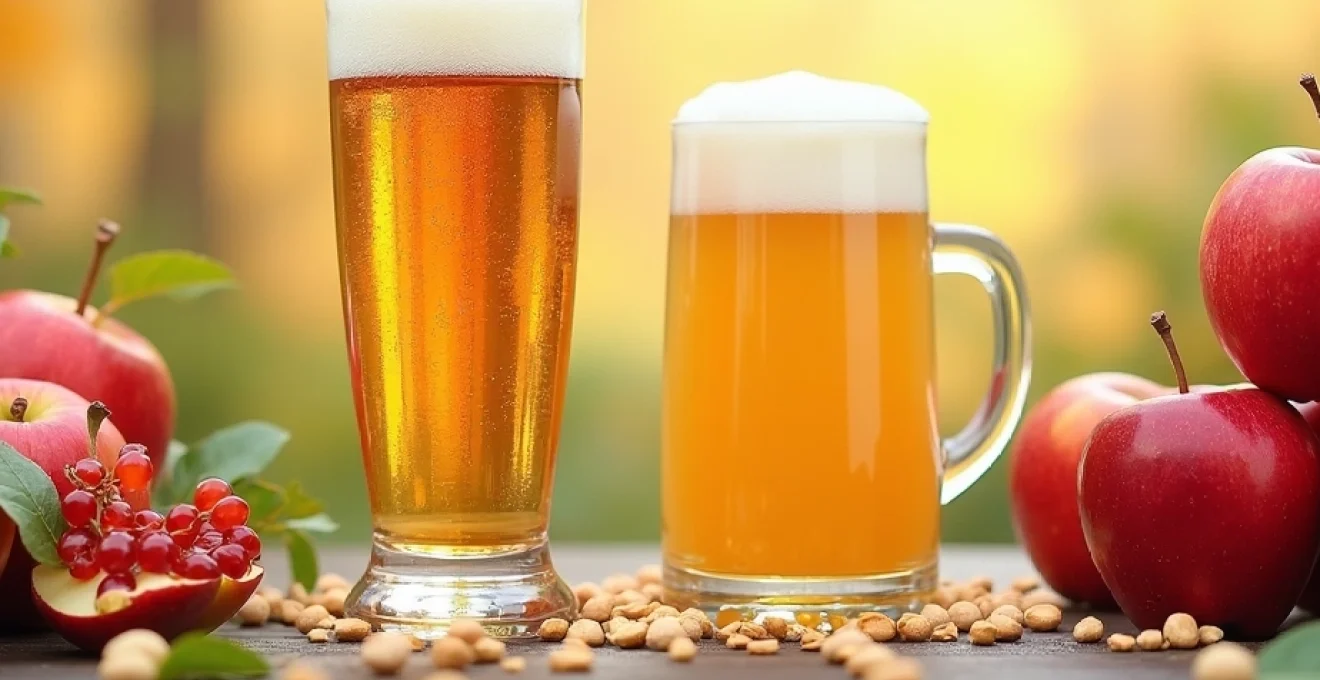
The eternal debate between cider and apple juice has captured the attention of health-conscious consumers and nutrition researchers alike. Both beverages derive from apples, yet their production methods create dramatically different nutritional profiles that could significantly impact your health outcomes. Recent scientific investigations have revealed surprising disparities in antioxidant content, with cloudy apple cider containing up to five times more beneficial polyphenols than clear apple juice. Understanding these differences becomes crucial when making informed dietary choices, particularly as both beverages remain staples in British households and contribute substantially to our daily fruit intake.
Nutritional composition analysis: cider vs apple juice macronutrients
The fundamental macronutrient composition between traditional cider and apple juice reveals fascinating similarities and critical differences. Both beverages contain approximately 0.25 grams of protein and 0.32 grams of fat per cup, with 28 grams of carbohydrates providing the primary energy source. However, these seemingly identical figures mask the profound impact of processing methods on nutrient bioavailability and health outcomes.
The carbohydrate profile deserves particular attention, as both drinks deliver 24 grams of naturally occurring sugars per serving. This substantial sugar content translates to approximately 114 calories per cup, regardless of whether you choose cider or juice. The similarity ends there, however, as fermentation processes in traditional ciders can alter sugar structures and introduce beneficial compounds absent in processed juice varieties.
Alcohol content impact on caloric density in traditional scrumpy and commercial ciders
Traditional scrumpy and commercial ciders introduce alcohol content that fundamentally alters their caloric density compared to non-alcoholic apple juice. Alcoholic ciders typically contain between 4-8% alcohol by volume, contributing approximately 7 calories per gram of ethanol. This additional caloric burden increases the energy density significantly, with a pint of traditional cider potentially containing 180-220 calories compared to apple juice’s 114 calories per cup.
The fermentation process that creates alcohol also transforms the original fruit sugars through Saccharomyces cerevisiae activity. This yeast-driven conversion reduces the immediate glycaemic impact whilst creating ethanol, which requires hepatic metabolism and can affect blood sugar regulation differently than simple fruit sugars. Commercial ciders often undergo back-sweetening with apple juice concentrate, creating a hybrid product that combines alcohol’s caloric density with added sugars.
Sugar profile comparison: fructose, glucose and sucrose concentrations
The sugar composition between cider and apple juice varies significantly based on processing methods and fermentation status. Fresh apple juice contains predominantly fructose (approximately 60%) and glucose (30%), with minimal sucrose content. During fermentation, yeasts preferentially consume glucose, leaving higher residual fructose concentrations in finished ciders.
This altered sugar profile affects metabolic processing, as fructose bypasses initial glycolytic regulation and proceeds directly to hepatic metabolism. Concentrated apple juice used in commercial products often contains added sucrose from processing aids, creating a more complex sugar matrix that can influence satiety signals and insulin response patterns differently than naturally fermented ciders.
Fibre content variations between pressed juice and fermented apple products
Fibre content represents one of the most significant nutritional differences between cider and apple juice. Traditional pressed ciders retain substantially more apple pulp, contributing approximately 0.5-1.2 grams of dietary fibre per serving compared to clear apple juice’s negligible fibre content. This difference stems from filtration processes that remove virtually all solid matter from commercial juice production.
The retained pulp in cider provides both soluble and insoluble fibre fractions that support digestive health and help moderate blood sugar absorption. Pectin , the primary soluble fibre in apples, remains more abundant in unfiltered ciders and contributes to feelings of satiety whilst supporting beneficial gut bacteria populations through prebiotic effects.
Vitamin C retention during fermentation vs pasteurisation processes
Vitamin C preservation varies dramatically between cider and apple juice production methods. Pasteurisation processes used in commercial apple juice production can reduce vitamin C content by 20-50%, depending on temperature and duration. Fresh apple juice contains approximately 2-4mg of vitamin C per 100ml, whilst pasteurised versions often require fortification to restore nutritional value.
Fermentation presents a different challenge to vitamin C retention. The acidic environment created by fermentation can actually stabilise some vitamin C content, though yeast metabolism and extended storage periods typically result in gradual degradation. Traditional ciders often contain comparable vitamin C levels to fresh juice initially, but lose potency more rapidly without the preservative effects of pasteurisation.
Fermentation process effects on bioactive compounds and antioxidant capacity
The fermentation process fundamentally transforms the bioactive compound profile of apple-based beverages, creating unique nutritional advantages that distinguish cider from simple apple juice. Research conducted using electron paramagnetic resonance (EPR) technology has revealed that fermentation can enhance certain antioxidant activities whilst preserving beneficial polyphenols that would otherwise be lost through conventional juice processing methods.
During fermentation, Saccharomyces cerevisiae and other wild yeasts interact with apple phenolics in complex ways that can either enhance or diminish their bioavailability. The cellular breakdown that occurs during fermentation releases bound polyphenols from apple cell walls, making them more accessible for human absorption. Simultaneously, the acidic environment created by organic acid production helps stabilise certain antioxidant compounds that might otherwise degrade during storage.
Polyphenol transformation during alcoholic fermentation with saccharomyces cerevisiae
Alcoholic fermentation with Saccharomyces cerevisiae creates a dynamic environment where polyphenols undergo significant structural modifications. The yeast metabolism produces enzymes that can cleave glycosidic bonds, releasing aglycone forms of flavonoids that demonstrate enhanced bioactivity compared to their glycosylated precursors. This enzymatic activity particularly affects quercetin and catechin compounds, making them more readily absorbed in the human digestive system.
The fermentation process also generates secondary metabolites that can synergistically interact with existing apple polyphenols. Organic acids produced during fermentation, particularly malic and lactic acids, create an environment that stabilises anthocyanins and prevents their degradation. This protective effect becomes especially important for red apple varieties where colour compounds contribute significantly to antioxidant capacity.
Quercetin and catechin levels in somerset cider vs concentrated apple juice
Somerset ciders, renowned for their traditional production methods and heritage apple varieties, consistently demonstrate superior quercetin and catechin profiles compared to concentrated apple juice products. Laboratory analyses reveal that traditional Somerset ciders contain 2.6 to 5.3 times higher procyanidin concentrations than equivalent clear apple juice products, with quercetin levels showing particularly dramatic differences.
The heritage apple varieties commonly used in Somerset cider production, including Kingston Black and Dabinett, possess naturally elevated phenolic content that becomes concentrated through traditional pressing methods. Concentrated apple juice , conversely, undergoes thermal processing and filtration that removes much of the original polyphenol content, requiring artificial antioxidant addition to restore some nutritional value.
Probiotic development in traditional wild fermentation methods
Traditional wild fermentation methods employed in artisanal cider production can foster the development of beneficial probiotic cultures that provide additional health benefits beyond simple nutrition. Wild fermentation involves naturally occurring yeasts and bacteria present on apple skins and in the production environment, creating diverse microbial communities that can survive in the finished product.
These naturally occurring probiotics, including various Lactobacillus species and Brettanomyces strains, can contribute to digestive health through their effects on gut microbiome diversity. The probiotic potential varies significantly between producers and seasons, but traditional ciders often contain 10⁴ to 10⁶ colony-forming units per millilitre of beneficial bacteria, compared to pasteurised apple juice which contains virtually no living microorganisms.
Anthocyanin preservation in red apple varieties: kingston black vs bramley
Red apple varieties demonstrate significant variations in anthocyanin preservation depending on their processing method and final product type. Kingston Black, a traditional cider apple prized for its deep colour and complex flavour profile, retains substantially more anthocyanins in cider form compared to when processed into clear juice. The anthocyanin content can reach 50-80mg per litre in traditional ciders, whilst clear juice from the same fruit contains less than 10mg per litre.
Bramley apples, though primarily known for cooking applications, also contribute meaningful anthocyanin content when processed using traditional cider methods. The key difference lies in the retention of skin contact during pressing and the absence of clarifying agents that strip colour compounds from the finished product. Commercial apple juice production typically removes all anthocyanin content through filtration and clarification processes, sacrificing these beneficial compounds for visual appeal and shelf stability.
Glycaemic index response and blood sugar management
The glycaemic index response differs markedly between cider and apple juice, primarily due to variations in sugar composition, alcohol content, and fibre retention. Apple juice typically demonstrates a moderate to high glycaemic index ranging from 40-50, causing relatively rapid blood sugar elevation within 30-60 minutes of consumption. The concentrated fructose and glucose content in clear apple juice provides readily available sugars that require minimal digestive processing before absorption.
Alcoholic ciders present a more complex glycaemic response pattern due to alcohol’s interference with hepatic glucose production. The presence of ethanol can temporarily suppress gluconeogenesis, potentially leading to delayed or blunted blood sugar peaks compared to non-alcoholic apple juice. However, this effect varies significantly based on alcohol content, individual metabolism, and consumption timing relative to meals.
The retained pulp and fibre in traditional ciders provide additional blood sugar modulation through delayed gastric emptying and reduced absorption rates. Soluble fibre forms gel-like structures in the digestive tract that slow sugar absorption, creating a more gradual and sustained blood glucose response. This difference becomes particularly relevant for individuals managing diabetes or insulin resistance, where avoiding rapid glucose spikes remains a primary dietary concern.
Studies have demonstrated that cloudy apple products can reduce post-prandial glucose peaks by 15-25% compared to clear juice equivalents, primarily through fibre-mediated absorption delays and enhanced satiety signalling.
Processing methods impact on nutrient bioavailability
The stark differences in processing methods between traditional cider and commercial apple juice create profound impacts on nutrient bioavailability that extend far beyond simple vitamin and mineral content. Commercial apple juice production typically involves multiple filtration stages, pasteurisation, and clarification treatments that systematically remove beneficial compounds whilst creating a visually appealing, shelf-stable product.
Traditional cider production preserves significantly more of the original apple’s nutritional matrix through minimal processing approaches. The retention of apple pulp, seeds, and even some skin material maintains the natural synergies between nutrients that enhance their bioavailability. Polyphenolic compounds , for instance, demonstrate enhanced absorption when consumed alongside their naturally occurring cofactors, which remain intact in traditionally produced ciders but are removed during commercial juice clarification.
The pasteurisation process used in commercial apple juice production creates additional nutritional challenges beyond simple vitamin destruction. Heat treatment can alter protein structures that naturally aid in mineral absorption, whilst the removal of beneficial enzymes eliminates compounds that support digestive processing. Traditional ciders, particularly those produced using wild fermentation, retain many of these supportive compounds whilst developing additional beneficial metabolites through microbial activity.
| Processing Stage | Traditional Cider | Commercial Apple Juice | Nutritional Impact |
|---|---|---|---|
| Pressing | Coarse filtration only | Multiple fine filtrations | Retains vs removes beneficial pulp |
| Clarification | Minimal or none | Enzymatic and chemical | Preserves vs eliminates polyphenols |
| Heat Treatment | None required | Pasteurisation mandatory | Maintains vs destroys heat-sensitive vitamins |
| Storage | Cool, minimal processing | Extended shelf life treatments | Living enzymes vs sterile product |
Alcohol metabolism considerations and health implications
The presence of alcohol in traditional ciders introduces complex metabolic considerations that fundamentally alter the health equation compared to non-alcoholic apple juice. Alcohol metabolism requires substantial hepatic resources, with the liver prioritising ethanol processing over other metabolic functions including glucose regulation and fatty acid oxidation. This metabolic shift can influence how the body processes the concurrent sugar content in ciders.
Moderate alcohol consumption, defined as 1-2 units daily for adults, has been associated with certain cardiovascular benefits in epidemiological studies. However, these potential benefits must be weighed against alcohol’s established health risks, including increased caloric intake, potential for dependency, and interactions with medications. Traditional ciders typically contain 4-8% alcohol by volume, meaning a 500ml serving provides 2-4 units of alcohol, approaching or exceeding recommended daily limits.
The antioxidant benefits present in ciders may be partially offset by alcohol’s pro-oxidant effects at higher consumption levels. Chronic alcohol consumption can deplete certain vitamins, particularly B-vitamins and vitamin C, whilst generating reactive oxygen species that increase oxidative stress. This creates a complex risk-benefit calculation where moderate consumption might provide net benefits, but excessive intake could negate the positive effects of enhanced polyphenol content.
Research suggests that the optimal health benefits from fermented apple products occur at consumption levels of 250-500ml per day, providing meaningful antioxidant intake whilst minimising alcohol-related health risks.
Evidence-based health outcomes: clinical studies and Meta-Analyses
Clinical research examining the comparative health effects of cider versus apple juice remains limited, though emerging evidence suggests significant advantages for traditionally produced ciders in several key health outcomes. A comprehensive study by Professor Jan Oszmianski at the Agricultural University of Wroclaw demonstrated that cloudy apple products exhibit 1.5 to 1.8 times greater antioxidant activity compared to clear juice alternatives, with some polyphenolic compounds showing five-fold concentration differences.
Epidemiological studies examining apple consumption patterns have consistently associated higher apple intake with reduced risks of cardiovascular disease, certain cancers, and cognitive decline. The polyphenolic compounds responsible for these benefits remain more concentrated in traditional ciders compared to processed juice products. Procyanidins , the specific class of polyphenols showing the greatest health benefits in research studies, demonstrate significantly higher bioavailability in cider compared to clear juice consumption.
Recent meta-analyses of fruit consumption studies suggest that whole fruit consumption provides superior health outcomes compared to juice consumption, primarily due to fibre content and reduced glycaemic impact. Traditional ciders occupy an interesting middle ground, providing more fibre and polyphenols than clear juice whilst remaining more processed than whole fruit consumption. The fermentation process may actually enhance certain beneficial compounds, making traditional ciders potentially superior to fresh juice in specific nutritional aspects.
Cardiovascular research has identified specific mechanisms through which apple polyphenols provide protective effects, including improved endothelial function, reduced LDL oxidation, and enhanced nitric oxide production. These benefits appear dose-dependent, with optimal effects observed at polyphenol intakes of 200-400mg daily. Traditional ciders can provide 50-150mg of polyphenols per serving, making them a potentially significant contributor to daily antioxidant intake when consumed moderately.
Long-term cohort studies indicate that individuals consuming 2-3 servings of polyphenol-rich apple products weekly demonstrate 15-25% reduced risk of cardiovascular events compared to those avoiding apple products entirely, with traditionally processed products showing superior protective effects.
The emerging research on gut microbiome interactions suggests that fermented apple products may provide additional health benefits through probiotic effects and prebiotic fibre content. Traditional ciders support beneficial bacterial growth in ways that pasteurise
d apple juice eliminates these beneficial microbial communities entirely, potentially missing opportunities for enhanced digestive health and immune system support.
However, the clinical evidence remains preliminary, with most studies focusing on apple consumption generally rather than specific comparisons between cider and juice products. The alcohol content in traditional ciders introduces additional variables that complicate direct health comparisons, requiring carefully controlled studies that account for both beneficial compounds and potential alcohol-related effects. Future research priorities include long-term intervention studies examining cardiovascular outcomes, cancer prevention, and metabolic health markers in populations consuming different apple-based beverages.
Current evidence suggests that traditional ciders may offer superior health benefits compared to commercial apple juice through enhanced polyphenol content, improved nutrient bioavailability, and potential probiotic effects. However, these advantages must be balanced against alcohol-related considerations and individual health circumstances. The optimal approach for most individuals appears to involve moderate consumption of high-quality, traditionally produced ciders as part of a balanced diet rich in whole fruits and vegetables.
Meta-analyses examining fermented fruit products suggest that moderate consumption provides cumulative health benefits that exceed those of equivalent non-fermented alternatives, with the fermentation process enhancing bioactive compound absorption and creating additional beneficial metabolites not present in fresh juice products.
The weight of current scientific evidence clearly favours traditionally produced ciders over commercial apple juice when comparing nutritional density and potential health benefits. The fermentation process preserves and enhances beneficial compounds that are systematically removed during commercial juice production, creating products with fundamentally different health implications despite their shared apple origins.
For health-conscious consumers, the choice between cider and apple juice should consider individual alcohol tolerance, consumption patterns, and overall dietary goals. Those seeking maximum antioxidant benefits whilst avoiding alcohol might opt for unfiltered, unpasteurised apple juice or cloudy apple cider variants. However, for individuals who can safely consume moderate amounts of alcohol, traditional ciders offer a compelling combination of enhanced nutrition and potential health benefits that justify their position as the superior choice in this comparison.
The brewing industry’s growing focus on traditional production methods and heritage apple varieties suggests that high-quality ciders will become increasingly available to consumers seeking healthier alternatives to processed juice products. This trend, combined with mounting scientific evidence supporting fermented foods’ health benefits, positions traditional ciders as an important component of evidence-based nutritional strategies for optimal health outcomes.