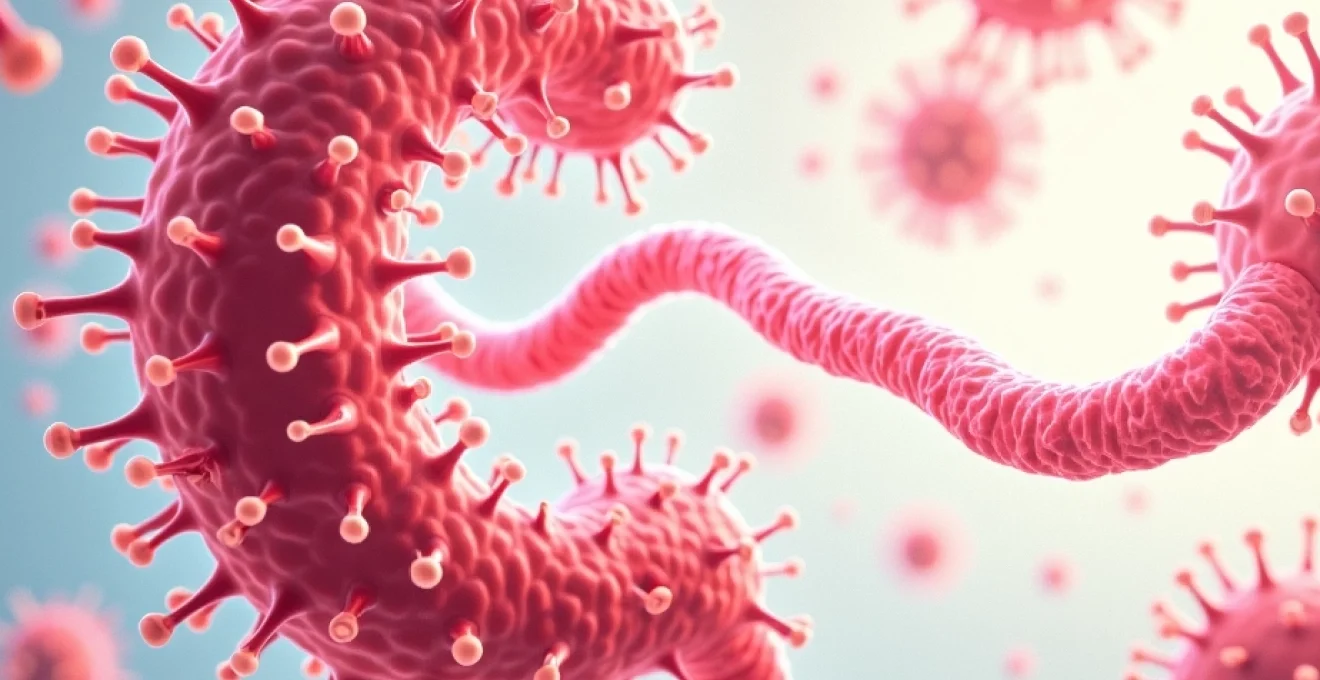
The relationship between Clostridioides difficile infection (CDI) and cancer development represents one of the most compelling yet underexplored connections in modern gastroenterology and oncology. Recent epidemiological studies have revealed alarming patterns suggesting that CDI may not merely be a consequence of cancer treatment, but could actively contribute to the development of colorectal malignancies. This emerging paradigm challenges traditional understanding of hospital-acquired infections and positions CDI as a potential carcinogenic factor that demands immediate attention from healthcare professionals and researchers alike.
The implications of this connection extend far beyond academic curiosity. With CDI rates continuing to climb in healthcare settings and the incidence of colorectal cancer remaining stubbornly high, understanding the mechanistic links between these conditions could revolutionise both prevention strategies and therapeutic approaches. The evidence suggests that the toxins produced by C. difficile create a cascade of cellular and molecular changes that fundamentally alter the colonic environment, potentially setting the stage for malignant transformation.
Clostridium difficile pathophysiology and oncogenic mechanisms
The pathophysiology of C. difficile infection involves complex interactions between bacterial toxins, host immune responses, and the colonic epithelium that create conditions conducive to carcinogenesis. Understanding these mechanisms provides crucial insights into how a seemingly transient infection might contribute to long-term cancer risk.
Toxin-mediated epithelial barrier disruption and DNA damage
Clostridioides difficile produces two primary toxins, TcdA and TcdB, which function as glucosyltransferases that modify small GTPases within colonic epithelial cells. This modification leads to dramatic cytoskeletal rearrangements, cell rounding, and ultimately cell death through apoptosis and necrosis. The resulting epithelial barrier disruption creates a chronically inflamed environment that promotes genetic instability and accumulates DNA damage over time.
Recent research has demonstrated that TcdB toxin specifically targets the Rho family of GTPases, including RhoA, Rac1, and Cdc42, which are critical regulators of cell adhesion, migration, and proliferation. When these proteins are glucosylated and inactivated, cells lose their normal growth control mechanisms and become more susceptible to oncogenic transformation. The persistent exposure to these toxins during recurrent CDI episodes creates cumulative damage that may exceed the cell’s repair capacity.
Chronic inflammatory response and cytokine storm induction
CDI triggers an intense inflammatory response characterised by massive neutrophil infiltration and the release of pro-inflammatory cytokines including interleukin-1β, interleukin-6, and tumour necrosis factor-α. This inflammatory milieu creates conditions that strongly favour carcinogenesis through multiple pathways. The sustained production of reactive oxygen and nitrogen species damages DNA, proteins, and lipids, while inflammatory mediators directly stimulate cell proliferation and angiogenesis.
The chronic nature of this inflammatory response distinguishes CDI from other gastrointestinal infections. Even after bacterial clearance, the inflammatory cascade can persist for weeks or months, creating a pro-tumourigenic environment. This prolonged inflammation resembles the conditions observed in inflammatory bowel disease, which is a well-established risk factor for colorectal cancer development.
Gut microbiome dysbiosis and metabolite alterations
CDI profoundly disrupts the normal gut microbiome composition, leading to severe dysbiosis that can persist long after the acute infection resolves. This disruption eliminates beneficial bacterial species that normally produce protective metabolites such as short-chain fatty acids, particularly butyrate, which has well-documented anti-cancer properties. The loss of these protective factors creates an environment more conducive to malignant transformation.
Simultaneously, the altered microbiome composition favours the growth of pathogenic bacteria that produce genotoxic metabolites and secondary bile acids. These compounds directly damage DNA and promote inflammation, creating a vicious cycle that perpetuates the pro-carcinogenic environment. The microbiome changes induced by CDI can take months or even years to fully resolve, providing an extended window during which cancer risk may remain elevated.
Cdi-associated oxidative stress and cellular mutagenesis
The intense inflammatory response triggered by CDI generates substantial oxidative stress through the production of reactive oxygen species (ROS) and reactive nitrogen species (RNS). These highly reactive molecules cause extensive DNA damage, including base modifications, strand breaks, and chromosomal aberrations that can lead to oncogenic mutations if not properly repaired.
The oxidative stress induced by CDI also depletes cellular antioxidant systems, reducing the cell’s ability to neutralise further ROS production. This creates a state of chronic oxidative stress that persists even after the acute infection resolves. The combination of increased ROS production and decreased antioxidant capacity significantly increases the likelihood of mutagenic events that could initiate carcinogenesis.
Epidemiological evidence linking CDI to colorectal malignancies
The epidemiological evidence supporting a connection between CDI and colorectal cancer has been mounting steadily, with multiple large-scale studies revealing concerning patterns that suggest CDI may be an independent risk factor for malignancy development.
Population-based cohort studies and cancer incidence rates
Large population-based cohort studies have consistently demonstrated elevated colorectal cancer incidence rates among patients with a history of CDI compared to matched controls. A recent analysis of over 50,000 patients with CDI found that the risk of developing colorectal cancer was approximately 2.5 times higher than in the general population, with the risk remaining elevated for up to five years following the initial infection.
These studies have revealed particularly striking associations in certain patient subgroups. Patients with recurrent CDI episodes showed even higher cancer incidence rates, suggesting a dose-response relationship between infection severity and malignancy risk. Additionally, younger patients with CDI demonstrated disproportionately higher cancer risks compared to older patients, which is concerning given the recent trends toward earlier onset colorectal cancer in younger adults.
Meta-analysis of CDI patient outcomes and adenocarcinoma development
Comprehensive meta-analyses examining the relationship between CDI and adenocarcinoma development have provided robust statistical evidence for this association. When data from multiple studies are pooled, the relative risk of colorectal cancer following CDI ranges from 1.8 to 3.2, depending on the time interval and patient population studied. These findings remain significant even after adjusting for traditional risk factors such as age, family history, and inflammatory bowel disease.
The meta-analyses have also revealed important temporal patterns in cancer development following CDI. The highest cancer incidence occurs between 6 months and 2 years after the initial infection, suggesting that the carcinogenic process requires time to develop but occurs relatively rapidly once initiated. This timeframe aligns with the known progression of adenoma to carcinoma in colorectal cancer development.
Temporal relationship between recurrent CDI episodes and tumourigenesis
The temporal relationship between CDI and subsequent cancer development provides crucial insights into potential causation. Studies tracking patients longitudinally have shown that cancer risk is highest in the period immediately following CDI resolution, gradually declining but remaining elevated for several years. This pattern suggests that CDI may act as both an initiating event and a promoting factor in carcinogenesis.
Recurrent CDI episodes appear to compound cancer risk exponentially rather than additively. Patients experiencing three or more CDI episodes within a two-year period demonstrate cancer incidence rates that are 4-5 times higher than baseline, far exceeding what would be expected from simple cumulative exposure. This suggests that recurrent infections create increasingly severe and persistent changes to the colonic environment.
Geographic variations in CDI-Associated cancer risk patterns
Interesting geographic variations in CDI-associated cancer risk have emerged from international studies, potentially reflecting differences in bacterial strains, treatment protocols, and healthcare systems. European studies generally report lower relative risks compared to North American studies, possibly due to different dominant C. difficile ribotypes or variations in antibiotic prescribing practices.
The emergence of hypervirulent CDI strains, particularly the NAP1/BI/027 ribotype, correlates geographically with areas showing the strongest associations between CDI and subsequent cancer development. This strain produces higher levels of toxins and is associated with more severe clinical outcomes, which may contribute to its enhanced carcinogenic potential. Regional differences in strain prevalence could explain some of the geographic variation in cancer risk patterns.
Molecular pathways connecting C. difficile infection to carcinogenesis
The molecular mechanisms linking CDI to carcinogenesis involve multiple interconnected pathways that collectively create conditions favourable for malignant transformation. Understanding these pathways provides targets for both prevention and therapeutic intervention.
Nf-κb signalling cascade activation and Proto-Oncogene expression
CDI triggers robust activation of the nuclear factor-κB (NF-κB) signalling pathway, a master regulator of inflammation and cell survival that plays a central role in cancer development. C. difficile toxins directly activate NF-κB through multiple mechanisms, including toll-like receptor signalling and cellular stress responses. Once activated, NF-κB promotes the transcription of numerous genes involved in inflammation, cell proliferation, and survival.
The sustained activation of NF-κB during and after CDI leads to the upregulation of proto-oncogenes such as c-Myc, cyclin D1, and Bcl-2, which promote uncontrolled cell growth and resistance to apoptosis. This creates a cellular environment that strongly favours tumour initiation and progression. The chronic nature of NF-κB activation following CDI distinguishes it from acute inflammatory responses and may explain the prolonged elevation in cancer risk.
p53 tumour suppressor gene inactivation mechanisms
The p53 tumour suppressor gene, often called the “guardian of the genome,” plays a crucial role in preventing cancer by inducing cell cycle arrest or apoptosis in response to DNA damage. CDI appears to compromise p53 function through multiple mechanisms, including direct toxin-mediated effects and sustained oxidative stress. The accumulation of DNA damage during CDI can overwhelm p53’s repair mechanisms, leading to mutations in the p53 gene itself.
The loss of p53 function removes a critical checkpoint in cancer prevention, allowing cells with damaged DNA to continue proliferating and accumulating additional oncogenic mutations.
Studies have shown that colonic epithelial cells exposed to C. difficile toxins demonstrate reduced p53 expression and impaired DNA damage responses. This compromised tumour suppressor function may persist even after the acute infection resolves, creating a window of vulnerability during which carcinogenic events are more likely to occur unchecked.
Wnt/β-catenin pathway dysregulation in colonic epithelium
The Wnt/β-catenin signalling pathway is fundamental to colonic epithelial cell renewal and is frequently dysregulated in colorectal cancer. CDI appears to disrupt normal Wnt signalling through multiple mechanisms, including direct effects of bacterial toxins on β-catenin stability and localisation. The glucosylation of Rho GTPases by C. difficile toxins interferes with the cytoskeletal interactions that normally regulate β-catenin degradation.
This dysregulation leads to aberrant nuclear accumulation of β-catenin and inappropriate activation of Wnt target genes involved in cell proliferation and survival. The resulting cellular changes closely resemble those observed in early colorectal adenomas, suggesting that CDI may directly initiate the adenoma-carcinoma sequence. The persistence of these changes following infection resolution may explain the prolonged elevation in cancer risk.
PIK3CA mutations and mTOR signalling alterations
Recent research has identified alterations in the PI3K/AKT/mTOR signalling pathway in colonic tissues following CDI. The phosphoinositide 3-kinase (PI3K) pathway regulates cell growth, metabolism, and survival, and its dysregulation is implicated in numerous cancers. CDI appears to induce mutations in the PIK3CA gene, which encodes the catalytic subunit of PI3K, leading to pathway hyperactivation.
The mechanistic target of rapamycin (mTOR) complex, a downstream effector of PI3K signalling, becomes chronically activated following CDI, promoting protein synthesis, cell growth, and proliferation. This sustained mTOR activation creates metabolic conditions that favour tumour growth and may contribute to the increased cancer risk observed in CDI patients. The integration of mTOR signalling with other pathways affected by CDI amplifies the overall carcinogenic potential.
Cdi-induced immune system modulation and cancer surveillance
The immune system plays a critical role in cancer prevention through immune surveillance mechanisms that detect and eliminate potentially malignant cells. CDI significantly modulates immune function in ways that may compromise these protective mechanisms and create conditions more favourable for cancer development.
The acute inflammatory response to CDI involves massive recruitment of neutrophils and activation of innate immune cells, which initially appears beneficial for pathogen clearance. However, this intense inflammatory response also creates significant immunosuppression through mechanisms such as myeloid-derived suppressor cell expansion and regulatory T cell activation. These immunosuppressive effects can persist long after the acute infection resolves, potentially compromising the immune system’s ability to detect and eliminate emerging cancer cells.
Furthermore, the chronic inflammation associated with CDI leads to immune system exhaustion, characterised by reduced T cell function and impaired cytotoxic responses. This exhausted immune state resembles the immunosuppressive tumour microenvironment observed in established cancers and may facilitate the escape of pre-malignant cells from immune surveillance. The combination of direct carcinogenic effects from bacterial toxins and compromised immune surveillance creates a particularly high-risk scenario for cancer development.
Adaptive immune responses are also significantly altered following CDI, with shifts toward Th17 and Th1 responses that promote inflammation while potentially reducing anti-tumour immunity. The production of interleukin-17 and interferon-γ by these T cell subsets contributes to chronic inflammation but may not provide optimal protection against malignant transformation. The balance between protective and harmful immune responses appears to be shifted toward tumour promotion in the post-CDI environment.
Risk stratification and clinical implications for CDI patients
The emerging evidence linking CDI to cancer risk necessitates the development of comprehensive risk stratification strategies to identify patients who may benefit from enhanced surveillance or preventive interventions. Several factors appear to modulate cancer risk following CDI, allowing for more precise risk assessment and targeted approaches to patient management.
Age at the time of CDI represents a critical risk factor, with younger patients demonstrating disproportionately higher cancer risks compared to older patients. This age-dependent risk pattern may reflect differences in immune system function, tissue repair capacity, or cumulative exposure to other carcinogens. Patients under 50 years of age with CDI should be considered for more intensive surveillance protocols, given both their elevated baseline risk and the potential for longer life expectancy during which cancer could develop.
The severity and recurrence of CDI episodes significantly influence subsequent cancer risk, with patients experiencing severe or recurrent infections requiring more intensive monitoring and potentially aggressive preventive interventions.
The specific bacterial strain responsible for CDI also appears to influence carcinogenic potential, with hypervirulent strains such as NAP1/BI/027 associated with higher cancer risks. When possible, strain typing information should be incorporated into risk assessment algorithms to provide more accurate risk estimates. Additionally, the presence of concurrent conditions such as inflammatory bowel disease, immunosuppression, or previous radiation exposure may compound cancer risk and warrant modified surveillance strategies.
Clinical implications extend beyond surveillance to include modifications in CDI treatment approaches for high-risk patients. The choice of antimicrobial therapy, duration of treatment, and use of adjunctive therapies such as probiotics or faecal microbiota transplantation may need to be tailored based on cancer risk assessment. Preventing recurrent CDI episodes should be prioritised in high-risk patients, even if this requires more aggressive or prolonged treatment approaches than typically recommended.
Preventive strategies and therapeutic interventions for High-Risk populations
The recognition of CDI as a potential cancer risk factor opens new avenues for prevention and intervention that could significantly reduce the burden of colorectal malignancy. Primary prevention strategies
should focus on reducing the incidence and severity of CDI episodes in susceptible populations. This includes judicious antimicrobial prescribing practices, enhanced infection control measures, and the identification of high-risk patients who may benefit from prophylactic interventions.
Antimicrobial stewardship programs have shown remarkable success in reducing CDI incidence by up to 50% in healthcare facilities that implement comprehensive protocols. These programs emphasise the appropriate selection, dosing, and duration of antibiotic therapy while promoting the use of narrow-spectrum agents when possible. For patients at elevated cancer risk, such stewardship becomes even more critical, as preventing the initial CDI episode may eliminate the subsequent malignancy risk entirely.
Probiotics and prebiotics represent promising adjunctive therapies for CDI prevention, particularly in high-risk populations. Specific strains such as Lactobacillus rhamnosus GG and Saccharomyces boulardii have demonstrated efficacy in preventing CDI recurrence and may help restore protective gut microbiome composition. The administration of these agents during and after antibiotic therapy could potentially mitigate both the immediate infection risk and the long-term carcinogenic consequences of microbiome disruption.
Faecal microbiota transplantation (FMT) has emerged as a highly effective treatment for recurrent CDI, with success rates exceeding 90% in clinical trials. Beyond its immediate therapeutic benefits, FMT may also reduce cancer risk by rapidly restoring protective microbiome diversity and function. The procedure’s ability to re-establish butyrate-producing bacteria and eliminate pathogenic species could theoretically reverse some of the carcinogenic changes induced by CDI. However, long-term safety data regarding cancer outcomes following FMT remain limited and require further investigation.
Targeted antimicrobial therapy using agents such as fidaxomicin may offer advantages over traditional treatments like vancomycin or metronidazole in high-risk patients. Fidaxomicin’s narrow spectrum of activity and reduced impact on beneficial gut bacteria may help preserve microbiome integrity while effectively treating CDI. This preservation of protective bacteria could potentially reduce the carcinogenic impact of the infection and lower subsequent cancer risk.
Secondary prevention strategies focus on enhanced surveillance and early detection of malignancy in patients with a history of CDI. Current colorectal cancer screening guidelines may be insufficient for this high-risk population, necessitating the development of modified protocols that account for elevated cancer risk. Screening intervals may need to be shortened, with colonoscopy potentially recommended at 3-5 year intervals rather than the standard 10 years for average-risk individuals.
The development of biomarkers that can predict cancer risk following CDI represents a critical research priority that could enable personalised surveillance strategies and targeted interventions for the highest-risk patients.
Chemoprevention using agents such as aspirin, non-steroidal anti-inflammatory drugs, or specific dietary supplements may prove beneficial in reducing cancer risk among CDI survivors. The anti-inflammatory properties of these agents could theoretically counteract the chronic inflammatory state that promotes carcinogenesis following CDI. However, clinical trials specifically examining chemoprevention in this population are urgently needed to establish efficacy and safety profiles.
Therapeutic interventions during the acute phase of CDI may also influence long-term cancer risk. The use of anti-inflammatory agents, antioxidants, or epithelial barrier-protective compounds alongside standard antimicrobial therapy could potentially reduce the carcinogenic impact of the infection. Research into combination therapies that address both the immediate infection and its long-term consequences represents an important frontier in CDI management.
The integration of cancer risk assessment into standard CDI care protocols requires significant changes to healthcare delivery systems and provider education. Infectious disease specialists, gastroenterologists, and oncologists must collaborate to develop comprehensive management strategies that address both acute infection treatment and long-term malignancy prevention. This multidisciplinary approach ensures that patients receive optimal care throughout the continuum from initial infection to potential cancer surveillance.
Patient education plays a crucial role in preventive strategies, as individuals with a history of CDI must understand their elevated cancer risk and the importance of adherence to surveillance recommendations. Educational materials should clearly explain the connection between CDI and cancer while providing practical guidance on risk reduction strategies such as maintaining gut health, avoiding unnecessary antibiotics, and participating in appropriate screening programs.
The economic implications of CDI-associated cancer risk are substantial, as the costs of treating advanced colorectal cancer far exceed those of prevention and early detection. Healthcare systems must consider the long-term economic benefits of investing in comprehensive CDI prevention and post-infection surveillance programs. Cost-effectiveness analyses should incorporate both immediate healthcare savings from reduced CDI incidence and long-term savings from prevented cancer cases.
Future research directions should focus on identifying the specific patient populations most likely to benefit from intensive preventive interventions. Genetic factors, immune system status, microbiome composition, and other individual characteristics may influence both CDI susceptibility and subsequent cancer risk. Understanding these factors could enable the development of precision medicine approaches that tailor prevention strategies to individual risk profiles.
The development of novel therapeutic targets based on the molecular pathways linking CDI to carcinogenesis offers exciting possibilities for intervention. Agents that specifically inhibit toxin-mediated cellular damage, restore epithelial barrier function, or modulate inflammatory responses could potentially interrupt the carcinogenic process. Such targeted therapies could be administered during or immediately after CDI treatment to minimise long-term cancer risk.
International collaboration will be essential for advancing our understanding of CDI-associated cancer risk and developing effective prevention strategies. The global nature of CDI and the need for large-scale, long-term studies to establish cancer outcomes require coordinated research efforts across multiple countries and healthcare systems. Such collaboration could also help identify geographic or population-specific risk factors that influence the CDI-cancer relationship.