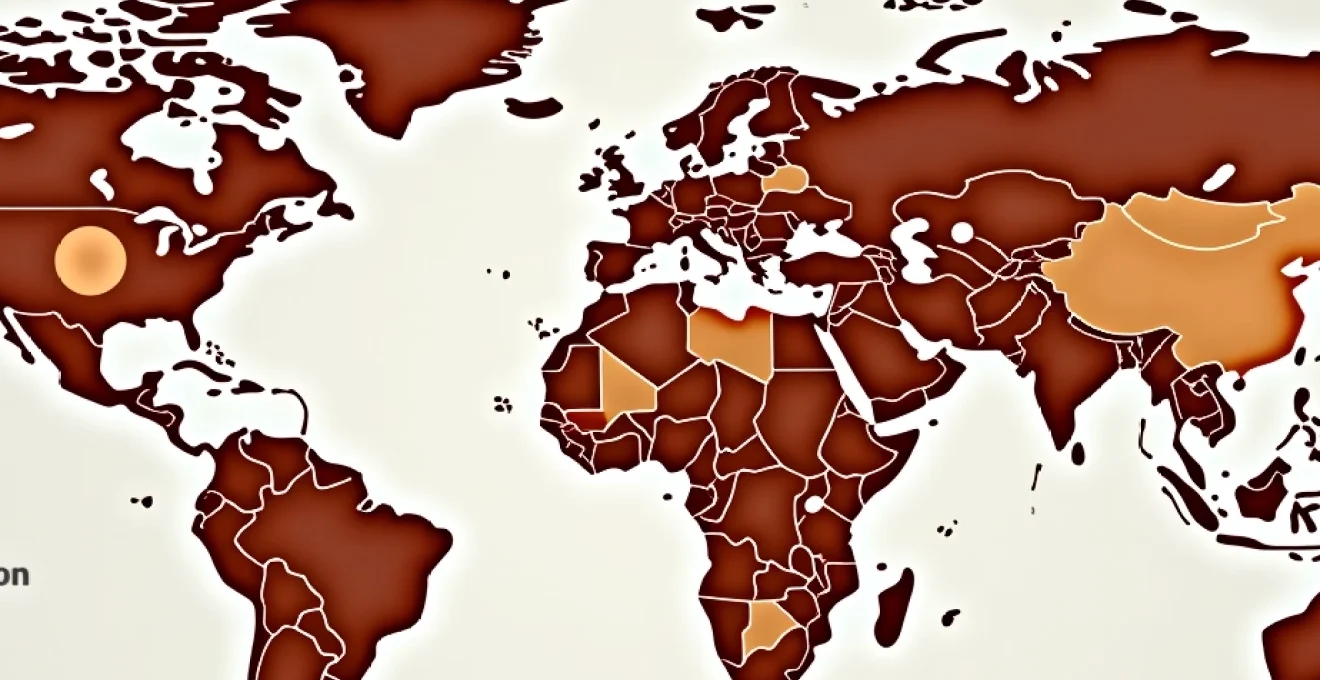
Skin cancer represents one of the most significant public health challenges globally, with over 5 million Americans receiving diagnoses annually. Whilst the condition affects individuals across all ethnic backgrounds, the manifestation, frequency, and outcomes vary dramatically between racial groups. Understanding these disparities is crucial for healthcare providers, patients, and public health officials working to address the complex interplay between genetics, environment, and socioeconomic factors that influence skin cancer development and survival rates.
The relationship between race, ethnicity, and skin cancer extends far beyond simple statistical differences. Melanin content, cultural practices, geographic distribution, and access to healthcare services all contribute to the distinct patterns observed across different populations. These variations have profound implications for screening programmes, treatment protocols, and educational initiatives designed to reduce the burden of cutaneous malignancies.
Melanoma incidence rates across ethnic demographics
Melanoma, though representing only 5% of all skin cancer diagnoses, accounts for the majority of skin cancer-related deaths. The incidence patterns across racial groups reveal striking disparities that have remained consistent over decades of epidemiological research. These differences reflect both biological and environmental factors that influence disease development and progression.
Caucasian populations and UV-Related melanoma statistics
Caucasian populations demonstrate the highest melanoma incidence rates globally, with lifetime risk estimates reaching 1 in 38 individuals. This elevated susceptibility stems primarily from reduced melanin production, which provides limited protection against ultraviolet radiation damage. The annual mortality rate for non-Hispanic white males reaches 3.9 per 100,000 individuals, whilst non-Hispanic white females experience rates of 1.7 per 100,000.
Recent epidemiological data indicates that melanoma cases have tripled over the past three decades, with younger demographics showing particularly concerning trends. Fair-skinned individuals living in high-UV environments face compounded risks, especially when engaging in recreational sun exposure behaviours. The predominance of cutaneous melanoma in this population directly correlates with cumulative UV damage, making prevention strategies focusing on photoprotection particularly relevant.
African american melanoma patterns and acral lentiginous subtype prevalence
African American populations present markedly different melanoma epidemiology, with lifetime risks of 1 in 1,000 individuals. However, this lower incidence rate masks critical concerns regarding disease outcomes and subtype distribution. Acral lentiginous melanoma , occurring on palms, soles, and nail beds, represents the predominant subtype affecting this demographic, accounting for up to 75% of cases.
The mortality statistics reveal troubling disparities, with African American patients experiencing 1.5 times higher death rates compared to Caucasian counterparts. This increased mortality stems largely from delayed diagnosis, with 32% of Black patients presenting with Stage 3 or Stage 4 disease compared to only 13% of white patients. The non-sun-exposed locations typical of acral melanoma contribute to diagnostic challenges, as these areas may not receive adequate attention during routine examinations.
Advanced melanoma diagnosis among African American patients occurs at rates nearly three times higher than in Caucasian populations, highlighting critical gaps in early detection and screening accessibility.
Hispanic and latino skin cancer epidemiological data
Hispanic and Latino populations occupy an intermediate position in melanoma risk stratification, with lifetime incidence rates of 1 in 167 individuals. Male Hispanic populations face mortality rates of 0.9 per 100,000, whilst females experience rates of 0.5 per 100,000. Importantly, this demographic has witnessed a 20% increase in melanoma incidence over the past two decades, suggesting evolving risk factors.
Cultural adaptation patterns may contribute to changing risk profiles within Hispanic communities. Research suggests that adoption of American lifestyle practices, including altered sun exposure behaviours and reduced use of traditional protective measures, may increase vulnerability. Language barriers additionally complicate access to prevention education and early screening programmes, potentially contributing to diagnostic delays.
Asian pacific islander melanoma risk factors and geographic variations
Asian and Pacific Islander populations demonstrate the lowest melanoma mortality rates, with males experiencing 0.4 per 100,000 deaths and females 0.3 per 100,000. However, significant variations exist within this diverse demographic group. Japanese and Chinese Americans show higher basal cell carcinoma rates compared to other Asian subgroups, particularly in sun-exposed regions.
Geographic distribution plays a crucial role in risk stratification for these populations. Asian Pacific Islanders residing in high-UV environments such as Hawaii and California demonstrate elevated skin cancer rates compared to those in temperate climates. The protective effects of higher melanin content become less pronounced with intense, chronic sun exposure, emphasising the universal importance of photoprotective measures.
Basal cell carcinoma distribution among racial groups
Basal cell carcinoma represents the most common form of skin cancer globally, with distribution patterns that strongly correlate with skin pigmentation levels and UV exposure patterns. Understanding these demographic variations proves essential for targeted screening initiatives and public health resource allocation.
Fitzpatrick skin type classification and BCC susceptibility
The Fitzpatrick skin type classification system provides a framework for understanding BCC susceptibility across different populations. Individuals with Fitzpatrick skin types I and II, predominantly found in Northern European ancestries, face the highest BCC risk. These skin types burn easily and tan minimally, offering limited natural protection against UV-induced DNA damage.
Epidemiological studies demonstrate that BCC comprises 65-75% of all skin cancers among Caucasian populations. The strong correlation between fair skin and BCC development reflects the insufficient melanin content to neutralise UV-induced reactive oxygen species. Geographic migration patterns have revealed that fair-skinned individuals relocating to high-UV environments experience dramatically increased BCC incidence within decades of relocation.
Nodular and superficial BCC subtypes in Fair-Skinned populations
Fair-skinned populations exhibit distinct BCC subtype distributions, with nodular and superficial variants representing the most common presentations. Nodular BCC typically appears as pearlescent or pink lesions with well-defined borders, making detection relatively straightforward in routine examinations. These lesions frequently develop on sun-exposed areas including the face, neck, and upper chest.
Superficial BCC presents greater diagnostic challenges, often resembling benign skin conditions such as eczema or psoriasis. This subtype shows particular prevalence among younger fair-skinned individuals with histories of recreational sun exposure. The subtle presentation can lead to diagnostic delays, allowing for horizontal spread and increased treatment complexity. Early recognition becomes crucial for optimal outcomes and minimal surgical intervention.
Pigmented basal cell carcinoma in darker skin phenotypes
Populations with darker skin phenotypes present unique BCC manifestations that require specialised diagnostic expertise. Pigmented BCC, whilst uncommon in fair-skinned individuals, occurs more frequently in Hispanic, Asian, and Mediterranean populations. These lesions may appear brown or black, potentially causing confusion with melanocytic neoplasms.
The clinical presentation of BCC in darker skin types challenges traditional diagnostic paradigms developed primarily from fair-skinned populations. Healthcare providers require enhanced training in recognising atypical presentations to avoid diagnostic errors. The relatively low incidence in these populations can paradoxically increase misdiagnosis risk, as clinicians may have limited exposure to diverse presentation patterns.
Squamous cell carcinoma racial disparities and risk stratification
Squamous cell carcinoma demonstrates particularly pronounced racial disparities in both incidence and outcomes. Unlike other skin cancer types, SCC shows concerning mortality patterns among populations of colour, with death rates ranging from 18-29% compared to significantly lower rates in Caucasian populations. This disparity reflects multiple factors including anatomical distribution, diagnostic delays, and treatment accessibility.
African American and Asian Indian populations experience SCC as their most common skin cancer type, contrasting sharply with patterns observed in Caucasian demographics. The anatomical distribution often involves non-sun-exposed areas, including mucous membranes and sites of chronic inflammation or scarring. These locations contribute to delayed recognition and more advanced disease at presentation.
The aggressive behaviour of SCC in darker-skinned populations may relate to distinct tumour biology and host factors. Chronic inflammatory conditions, including discoid lupus erythematosus and lichen planus, predispose to SCC development in these demographics. Additionally, cultural practices such as scarification or chronic use of certain topical preparations may contribute to carcinogenesis through persistent tissue damage and repair cycles.
Mortality rates from squamous cell carcinoma demonstrate alarming racial disparities, with people of colour experiencing death rates up to four times higher than their Caucasian counterparts.
Photoprotective melanin content and inherent cancer resistance
Melanin serves as nature’s primary defence mechanism against UV-induced skin damage, with production levels varying dramatically across racial groups. This pigment provides multiple protective functions, including UV absorption, free radical scavenging, and DNA repair enhancement. Understanding melanin’s protective mechanisms helps explain the observed epidemiological patterns whilst highlighting the limitations of relying solely on natural protection.
Darker skin tones contain higher concentrations of eumelanin, which provides superior UV protection compared to the pheomelanin predominant in fair-skinned individuals. This biochemical difference translates to sun protection factor estimates ranging from 2-4 in darker skin types compared to minimal protection in fair complexions. However, even the highest natural melanin levels provide insufficient protection against intense or prolonged UV exposure.
The concept of universal vulnerability remains crucial despite varying melanin levels. Populations with darker skin tones still develop UV-induced skin cancers, particularly in high-exposure environments or following cultural practices that increase sun exposure. The false sense of security provided by natural pigmentation can lead to inadequate photoprotective behaviours, potentially increasing long-term cancer risk.
Melanin content also influences skin cancer presentation and detection. Higher pigmentation levels can mask early lesion development, making visual identification more challenging for both patients and healthcare providers. This diagnostic complexity contributes to later-stage presentations and worse outcomes in populations of colour, despite lower overall incidence rates.
Socioeconomic factors influencing skin cancer detection and mortality rates
Socioeconomic determinants play pivotal roles in skin cancer outcomes across racial demographics, often explaining mortality disparities that persist despite advances in treatment modalities. These factors operate through multiple pathways, including healthcare access, insurance coverage, educational opportunities, and environmental exposures that compound genetic and biological risk factors.
Healthcare access disparities among minority populations
Healthcare accessibility remains a fundamental challenge for minority populations seeking skin cancer screening and treatment. Geographic distribution of dermatological services heavily favours affluent, predominantly Caucasian communities, creating substantial barriers for underserved populations. Rural and urban underserved areas often lack adequate specialist coverage, forcing patients to travel significant distances for evaluation.
Insurance coverage patterns exacerbate access challenges, with minority populations experiencing higher rates of uninsurance or underinsurance. Medicaid reimbursement rates for dermatological services often fall below private insurance levels, limiting provider participation in these programmes. The resulting financial barriers can delay diagnosis and treatment, contributing to advanced disease presentations and worse outcomes.
Language barriers additionally complicate healthcare navigation for non-English speaking populations. Limited availability of culturally competent care and translation services can impede effective communication between patients and providers. These communication challenges may result in incomplete history-taking, inadequate patient education, and reduced compliance with screening recommendations.
Dermatological screening programmes and ethnic participation rates
Public health screening initiatives demonstrate significant participation disparities across racial groups, with minority populations showing lower engagement rates in organised skin cancer detection programmes. Cultural factors, including historical medical mistrust and competing health priorities, contribute to reduced participation. Many minority communities face higher burdens of cardiovascular disease, diabetes, and other chronic conditions that may overshadow skin cancer concerns.
Educational outreach efforts often fail to address cultural nuances and community-specific risk factors. Standard screening recommendations developed for fair-skinned populations may seem irrelevant to individuals with darker skin tones who perceive themselves as low-risk. Targeted educational initiatives that acknowledge diverse presentation patterns and risk factors show greater success in engaging minority communities.
Healthcare provider training remains insufficient in recognising skin cancer presentations across diverse skin types. Medical education historically emphasised fair-skin presentations, leaving practitioners less equipped to identify concerning lesions in darker skin tones. This knowledge gap can result in missed diagnoses or delayed referrals, particularly for atypical presentations common in populations of colour.
Late-stage diagnosis correlations with racial demographics
Advanced-stage skin cancer diagnosis shows strong correlations with racial demographics, independent of tumour biology or inherent aggressiveness. African American patients with melanoma present with advanced disease at nearly three times the rate of Caucasian patients, translating directly to reduced survival prospects. This pattern persists across different healthcare systems and geographic regions, suggesting systemic rather than isolated causative factors.
The anatomical distribution of skin cancers in minority populations contributes to diagnostic delays. Acral and mucosal melanomas, more common in populations of colour, often develop in areas not routinely examined during standard physical assessments. Patients may not notice these lesions until they become symptomatic, typically indicating advanced disease. Healthcare providers may also overlook these locations during routine examinations, particularly if cultural factors limit comprehensive skin assessment.
Patient recognition of concerning skin changes presents additional challenges in darker skin types. Traditional warning signs such as colour changes may be less apparent against pigmented backgrounds. The ABCDE criteria for melanoma detection, developed primarily from fair-skin observations, may have limited applicability to presentations in darker skin tones where texture changes may be more significant than colour variations.
Survival outcome variations across ethnic groups
Five-year survival rates for skin cancer demonstrate persistent racial disparities that have remained stable despite overall improvements in treatment outcomes. Melanoma survival rates show a 25% absolute difference between Black and white populations, with this gap widening rather than narrowing over recent decades. These differences reflect complex interactions between biological, social, and healthcare system factors.
Treatment accessibility and quality variations contribute significantly to outcome disparities. African American patients demonstrate lower rates of surgical intervention for melanoma despite clear survival benefits from appropriate surgical management. When surgery does occur, treatment delays are more common, potentially allowing disease progression that compromises outcomes. These patterns suggest systemic barriers rather than patient preference differences.
Socioeconomic factors compound medical complexity in minority populations, with patients often managing multiple competing priorities that can impact treatment compliance and follow-up care. Transportation challenges, work obligations, and family responsibilities may interfere with optimal cancer care delivery. The cumulative effect of these factors creates substantial disadvantages that persist throughout the treatment continuum.
The 25% difference in absolute survival between Black and white melanoma patients represents one of the largest racial health disparities in oncology, highlighting the urgent need for systematic interventions to address multiple contributing factors.
Genetic polymorphisms and racial predisposition to cutaneous malignancies
Genetic variations across racial groups contribute significantly to observed differences in skin cancer susceptibility, presentation patterns, and treatment responses. These polymorphisms affect multiple pathways including melanin synthesis, DNA repair mechanisms, immune system function, and drug metabolism. Understanding these genetic factors provides insights into biological mechanisms underlying epidemiological observations whilst informing personalised medicine approaches.
Melanocortin-1 receptor (MC1R) variants demonstrate particular importance in skin cancer predisposition, with different allele frequencies across racial populations. Fair-skinned individuals of European ancestry show higher frequencies of loss-of-function MC1R variants, resulting in reduced melanin production and increased UV sensitivity. These genetic differences partially explain the elevated skin cancer rates observed in Caucasian populations compared to those with African or Asian ancestry.
DNA repair gene polymorphisms also show racial variation patterns that influence cancer risk. Variants affecting nucleotide excision repair pathways, crucial for correcting UV-induced DNA damage, occur at different frequencies across populations. Some variants common in certain racial groups may provide enhanced DNA repair capacity, contributing to reduced skin cancer susceptibility despite UV exposure. Conversely, other variants may increase vulnerability, particularly when combined with environmental risk factors.
Immune system genetic variations impact skin cancer development and progression through multiple mechanisms. Human leukocyte antigen (HLA) polymorphisms influence tumour recognition and elimination, with certain variants associated with improved immune surveillance. The distribution of beneficial immune alleles varies across racial groups, potentially contributing to differences in cancer incidence and progression patterns. Additionally, variants affecting inflammatory responses may influence skin cancer risk through chronic inflammation pathways.
Pharmacogenomic considerations become increasingly relevant as personalised treatment approaches evolve. Genetic variants affecting drug metabolism show significant racial distribution patterns, influencing both efficacy and toxicity profiles of skin cancer treatments. For example, variants in cytochrome P450 enzymes can dramatically alter chemotherapy drug
metabolism, with some populations requiring dose adjustments for optimal therapeutic outcomes.
The clinical implications of genetic diversity extend beyond individual patient care to population-level screening and prevention strategies. Genetic risk stratification models developed primarily in Caucasian populations may have limited applicability to other racial groups, potentially leading to inappropriate risk assessment. Future research focusing on population-specific genetic markers could improve risk prediction accuracy and enable more targeted prevention interventions.
Epigenetic modifications also contribute to racial differences in skin cancer susceptibility, though this field remains less well-characterised than germline genetic variations. Environmental factors can influence gene expression patterns differently across populations, potentially explaining some observed epidemiological differences not accounted for by genetic polymorphisms alone. Understanding these complex gene-environment interactions represents a crucial frontier in personalised skin cancer prevention and treatment approaches.
Genetic polymorphisms affecting melanin synthesis, DNA repair, and immune function contribute significantly to the 20-fold difference in melanoma rates between Caucasian and African American populations, highlighting the importance of ancestry-informed medical care.
The integration of genetic information into clinical practice requires careful consideration of both scientific validity and social implications. While genetic factors clearly influence skin cancer risk, environmental and socioeconomic determinants often have greater impact on actual outcomes. Overemphasis on genetic predisposition could inadvertently reinforce harmful stereotypes or reduce focus on addressable social determinants of health. A balanced approach recognising both biological and social contributors provides the most comprehensive framework for reducing skin cancer disparities across all populations.