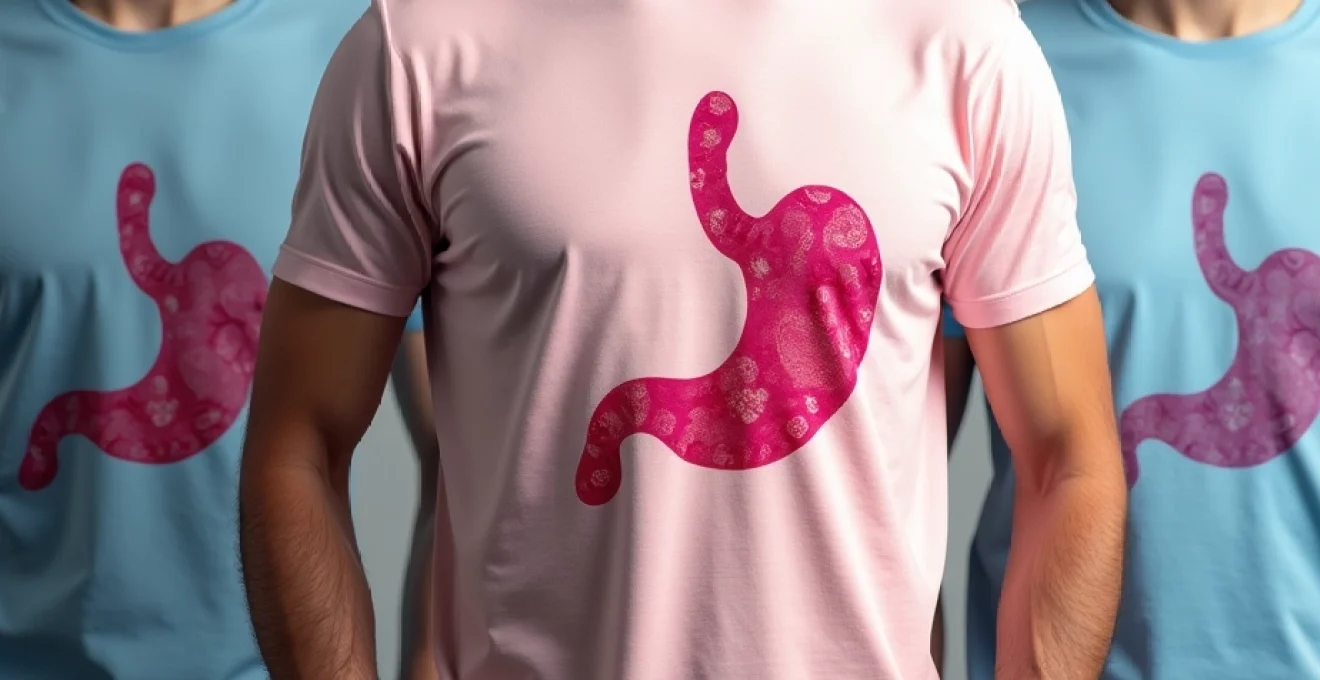
Stomach cancer awareness merchandise has emerged as a powerful tool for education, fundraising, and community support. These carefully designed garments serve multiple purposes beyond simple fashion statements, functioning as conversation starters, fundraising mechanisms, and symbols of solidarity for those affected by gastric cancer. The growing market for medical awareness apparel reflects society’s increasing engagement with health advocacy and the desire to support meaningful causes through everyday purchases.
The design and production of stomach cancer awareness T-shirts requires careful consideration of medical accuracy, visual impact, and manufacturing quality. From selecting appropriate colour schemes that align with November’s stomach cancer awareness month to incorporating medical terminology and symbols, every element contributes to the garment’s effectiveness as both an awareness tool and a respectful tribute to those fighting this disease.
Gastric cancer awareness campaign merchandise design principles
Effective stomach cancer awareness T-shirt designs must balance visual appeal with educational value whilst maintaining sensitivity towards patients and their families. The foundation of successful awareness merchandise lies in understanding the medical aspects of gastric cancer, including its symptoms, treatment options, and the demographic most commonly affected. This knowledge informs design choices that resonate with both the awareness community and potential supporters.
Professional designers working on stomach cancer awareness campaigns typically collaborate with medical professionals and patient advocacy groups to ensure accuracy and appropriateness. The design process involves extensive research into current treatment protocols, survivor stories, and the specific challenges faced by gastric cancer patients. This collaborative approach ensures that the final product serves as an authentic representation of the cause rather than a superficial commercial venture.
Perforated oesophagogastric symbol integration in textile graphics
The incorporation of medical symbols into textile graphics requires precision and respect for their clinical significance. Perforated oesophagogastric symbols, representing the anatomical structures affected by stomach cancer, must be rendered with medical accuracy whilst remaining visually appealing on fabric. Designers often work with medical illustrators to ensure that anatomical representations are both scientifically correct and suitable for textile reproduction.
The challenge lies in simplifying complex medical imagery without losing its educational value. Vector graphics prove most effective for this purpose, allowing symbols to be scaled appropriately for different garment sizes whilst maintaining crisp lines and clear details. The integration of these symbols often requires custom colour separation techniques to achieve the necessary contrast against various fabric colours.
November stomach cancer awareness month colour psychology implementation
November’s stomach cancer awareness month utilises a distinctive colour palette that carries psychological and symbolic significance. The primary colour associated with stomach cancer awareness is periwinkle blue, a soft, calming hue that conveys hope and tranquillity. This colour choice reflects the desire to approach the serious topic of cancer with optimism whilst acknowledging the gravity of the disease.
Complementary colours such as silver and white are often incorporated to create visual depth and enhance readability of text elements. The psychological impact of colour in awareness merchandise cannot be understated – periwinkle blue has been shown to evoke feelings of peace and determination, emotions that resonate strongly with cancer patients and their support networks.
Medical terminology typography standards for cancer awareness apparel
Typography in medical awareness apparel must meet specific readability and accuracy standards. Medical terms such as “gastric adenocarcinoma,” “helicobacter pylori,” and “gastrectomy” require careful font selection to ensure clarity and professional appearance. Sans-serif fonts typically prove most effective for medical terminology, offering clean lines and excellent legibility across various viewing distances.
Font sizing hierarchies help organise information effectively, with primary messages presented in larger, bold typefaces whilst supporting medical information appears in smaller, more detailed text. The challenge lies in balancing educational content with visual appeal, ensuring that technical medical information enhances rather than overwhelms the design’s impact.
Deborah james bowelbabe fund visual identity incorporation
The incorporation of established cancer charity visual identities requires careful attention to brand guidelines and licensing requirements. Organisations like the Deborah James Bowelbabe Fund have developed specific visual standards that must be adhered to when creating officially licensed merchandise. These guidelines typically cover logo usage, colour specifications, and positioning requirements.
Unauthorised use of charity branding can result in legal complications and potentially damage fundraising efforts. Legitimate awareness merchandise should always display proper attribution and ensure that a portion of proceeds supports the featured organisation’s research and patient support initiatives.
Screen printing and DTG manufacturing techniques for medical awareness textiles
The manufacturing process for stomach cancer awareness T-shirts demands high-quality printing techniques that ensure durability, comfort, and visual impact. Screen printing and direct-to-garment (DTG) printing represent the two primary methods used in awareness merchandise production, each offering distinct advantages for different design requirements and production volumes.
Screen printing excels in producing vibrant, long-lasting designs with solid colours and simple graphics. This traditional method proves particularly effective for large production runs of stomach cancer awareness shirts featuring bold text and symbol-based designs. The process allows for precise colour matching, ensuring that awareness colours like periwinkle blue maintain consistency across entire production batches.
DTG printing offers superior flexibility for complex, multi-colour designs and smaller production runs. This digital printing method enables the reproduction of detailed medical illustrations, photographic elements, and gradient effects that would be prohibitively expensive using traditional screen printing. The technology has advanced significantly in recent years, now offering wash durability that rivals screen printing whilst maintaining the ability to produce single custom pieces cost-effectively.
Water-based ink formulations for sensitive skin cancer patient compatibility
Cancer patients undergoing treatment often experience heightened skin sensitivity, making the choice of printing inks critical for comfort and wearability. Water-based ink formulations provide a gentler alternative to traditional plastisol inks, offering breathability and reduced chemical contact with sensitive skin. These inks penetrate the fabric fibres rather than sitting on the surface, creating a softer hand feel that proves more comfortable for extended wear.
The development of hypoallergenic water-based inks specifically for medical awareness apparel has become increasingly sophisticated. Modern formulations achieve excellent colour vibrancy whilst maintaining the gentle properties necessary for sensitive skin compatibility. Testing protocols ensure that these inks meet safety standards for prolonged skin contact, particularly important for garments worn during medical treatments or recovery periods.
Direct-to-garment printing durability standards for fundraising merchandise
Fundraising merchandise must withstand regular wear and washing cycles whilst maintaining its visual impact and message clarity. DTG printing durability standards for awareness apparel typically require resistance to fading for at least 50 wash cycles using standard household detergents and temperatures. This longevity ensures that the awareness message remains visible and effective throughout the garment’s useful life.
Pre-treatment processes play a crucial role in achieving these durability standards. Proper fabric preparation ensures optimal ink adhesion and penetration, whilst post-print curing processes lock the design in place. Quality control testing involves accelerated wash testing and colour fastness evaluation to guarantee that finished products meet or exceed industry durability benchmarks.
Organic cotton substrate selection for chemotherapy patient comfort
Chemotherapy patients often develop increased sensitivity to synthetic materials and chemical treatments commonly found in conventional textiles. Organic cotton substrates provide a natural, breathable option that minimises potential skin irritation whilst offering superior comfort during treatment periods. The absence of pesticides and chemical processing agents in organic cotton production creates a purer fabric that proves gentler on compromised skin.
The selection process for organic cotton involves evaluating factors such as fibre length, weave density, and finishing treatments. Ring-spun organic cotton typically offers the best combination of softness and durability, with longer fibres creating stronger, smoother yarns that feel more comfortable against sensitive skin. Pre-shrinking treatments ensure dimensional stability whilst maintaining the fabric’s natural properties.
Plastisol ink alternatives for Eco-Conscious cancer charity partnerships
Environmental consciousness has become increasingly important in charity merchandise production, with many organisations seeking alternatives to traditional plastisol inks. These petroleum-based inks, whilst offering excellent durability and colour vibrancy, raise environmental concerns due to their PVC content and chemical composition. Eco-friendly alternatives include vegetable-based inks, soy-based formulations, and advanced water-based systems.
The challenge lies in maintaining print quality and durability whilst adopting environmentally responsible practices. Modern eco-friendly ink systems have achieved remarkable improvements in performance, often matching or exceeding the wash durability of traditional plastisol inks. Many cancer charities now specifically request eco-friendly printing processes to align with their broader mission of promoting health and environmental responsibility.
Stomach cancer research foundation licensing and partnership protocols
Legitimate stomach cancer awareness merchandise requires proper licensing agreements with recognised research foundations and patient advocacy organisations. These partnerships ensure that fundraising efforts directly support research initiatives, patient care programmes, and educational outreach activities. The licensing process typically involves detailed agreements outlining profit-sharing arrangements, quality standards, and marketing guidelines.
Established stomach cancer research organisations maintain strict criteria for merchandise partnerships, evaluating potential licensees based on their commitment to quality, ethical business practices, and genuine dedication to the cause. The application process often requires detailed business plans, quality samples, and references from previous charity partnerships. This rigorous vetting process protects both the organisation’s reputation and ensures that consumer purchases genuinely contribute to meaningful cancer research and support activities.
Research foundations typically retain approval rights over all design elements, marketing materials, and distribution channels to ensure consistency with their mission and values.
Partnership protocols also address ongoing obligations such as sales reporting, quality maintenance, and promotional support. Licensees must typically provide quarterly sales reports and remit agreed percentages of proceeds within specified timeframes. These arrangements create accountability and transparency that builds trust among consumers purchasing awareness merchandise.
E-commerce platform optimisation for cancer awareness merchandise sales
The digital marketplace for stomach cancer awareness merchandise requires specialised optimisation strategies that balance commercial effectiveness with sensitivity to the medical nature of the cause. E-commerce platforms must navigate complex considerations including payment processing for charitable contributions, international shipping for awareness campaigns, and customer service protocols that acknowledge the emotional context surrounding cancer-related purchases.
Platform selection significantly impacts the success of awareness merchandise campaigns. Different e-commerce solutions offer varying capabilities for handling charitable components, managing inventory across multiple awareness campaigns, and integrating with donation tracking systems. The choice of platform affects everything from search engine optimisation potential to the ability to process Gift Aid claims for UK-based customers.
Shopify cancer charity integration with gift aid processing
Shopify’s flexibility makes it an attractive platform for cancer charity merchandise, particularly when integrated with Gift Aid processing capabilities for UK customers. The platform’s app ecosystem includes several solutions specifically designed for charitable organisations, enabling seamless donation tracking and tax reclaim processing. These integrations automate much of the administrative burden associated with charitable sales whilst maintaining compliance with HMRC requirements.
Custom Shopify configurations can automatically calculate and display the charitable contribution portion of each purchase, providing transparency that builds customer trust. Advanced setups can even offer customers the option to increase their charitable contribution at checkout, maximising fundraising potential whilst maintaining a streamlined purchasing experience.
Woocommerce donation tracking systems for medical research fundraising
WooCommerce offers robust customisation options for implementing sophisticated donation tracking systems within stomach cancer awareness merchandise stores. The platform’s open-source nature allows for the development of specialised plugins that can track individual customer contributions, generate detailed reports for research organisations, and manage complex pricing structures that separate product costs from charitable donations.
Integration with customer relationship management systems enables comprehensive tracking of supporter engagement across multiple campaigns and product categories. This data proves invaluable for developing targeted marketing campaigns and understanding the preferences of different supporter demographics. Advanced implementations can even provide customers with annual summaries of their charitable contributions for tax purposes.
Amazon FBA compliance requirements for medical awareness products
Amazon’s Fulfillment by Amazon (FBA) programme offers significant advantages for awareness merchandise distribution but requires compliance with specific policies regarding medical and health-related claims. Stomach cancer awareness T-shirts must be carefully categorised and described to avoid triggering Amazon’s medical device or therapeutic product restrictions whilst maintaining their educational and awareness functions.
Product listings must focus on the awareness and support aspects rather than making any health-related claims or suggestions. Compliance requires careful keyword selection, avoiding terms that might be interpreted as medical advice or treatment recommendations. The challenge lies in effectively communicating the product’s purpose and meaning without crossing into regulated medical territory.
Etsy handmade categories for personalised memorial cancer tribute shirts
Etsy’s handmade marketplace provides an ideal platform for personalised stomach cancer memorial and tribute T-shirts, with specific categories designed for custom memorial items. The platform’s emphasis on personal connection and craftsmanship aligns well with the emotional nature of memorial merchandise, allowing creators to offer deeply personalised tributes that honour lost loved ones.
Etsy’s policies regarding medical and memorial items require sensitive handling of product descriptions and imagery. Sellers must navigate the platform’s guidelines whilst providing meaningful, personalised products that help customers process grief and celebrate the lives of those affected by stomach cancer. The key lies in focusing on the memorial and tribute aspects rather than the medical condition itself.
Gastric cancer staging system educational content integration
Educational stomach cancer awareness merchandise increasingly incorporates information about the TNM staging system and other clinical classification methods. This integration serves to educate the public about disease progression whilst providing meaningful content for those directly affected by gastric cancer diagnoses. The challenge lies in presenting complex medical information in an accessible format that fits within the constraints of T-shirt design.
Effective educational integration often employs infographic-style designs that break down staging information into digestible visual elements. QR codes linking to comprehensive online resources have become popular additions, allowing T-shirt designs to serve as gateways to more detailed educational content. This approach maximises the educational impact whilst maintaining clean, wearable design aesthetics.
The most effective awareness merchandise serves as both a conversation starter and an educational resource, prompting discussions that increase understanding of gastric cancer.
Design considerations for educational content include font size limitations, colour contrast requirements for readability, and the need to maintain medical accuracy whilst simplifying complex concepts. Collaboration with oncology professionals ensures that educational elements provide value without overwhelming or confusing the target audience.
Social media marketing strategies for stomach cancer awareness apparel
Digital marketing for stomach cancer awareness T-shirts requires sensitivity balanced with effectiveness in reaching target audiences. Social media campaigns must navigate platform policies regarding medical content whilst building meaningful communities around awareness and support. The approach differs significantly from traditional apparel marketing, emphasising education, support, and community building over simple product promotion.
Instagram’s visual nature makes it particularly effective for showcasing awareness merchandise whilst telling the stories behind the designs. User-generated content campaigns encourage customers to share photos wearing their awareness T-shirts alongside personal stories or messages of support. This authentic content proves more engaging than traditional advertising whilst building genuine community connections around the cause.
Facebook’s robust targeting capabilities enable precise audience segmentation based on interests in cancer awareness, medical causes, and charitable giving. The platform’s fundraising tools can be integrated with merchandise campaigns, allowing customers to make additional donations beyond their purchases. Live video content featuring designers, medical professionals, or cancer survivors adds authenticity and depth to marketing efforts.
Twitter’s real-time nature proves valuable for connecting with awareness month campaigns, medical conferences, and breaking research news. Hashtag campaigns around stomach cancer awareness create discoverable content that extends reach beyond immediate followers. The platform’s thread feature enables detailed storytelling about design inspiration, manufacturing processes, and the impact of fundraising efforts.
Successful awareness merchandise marketing prioritises education and community building over direct sales, creating lasting relationships that support ongoing fundraising efforts.
Content calendars for awareness merchandise should align with significant dates including November’s stomach cancer awareness month, World Cancer Day, and relevant medical conference schedules. This strategic timing maximises visibility and engagement when audiences are most receptive to awareness messaging. The integration of educational content, personal stories, and product showcases creates comprehensive campaigns that serve multiple objectives simultaneously whilst maintaining authentic connections with supporters and potential customers.