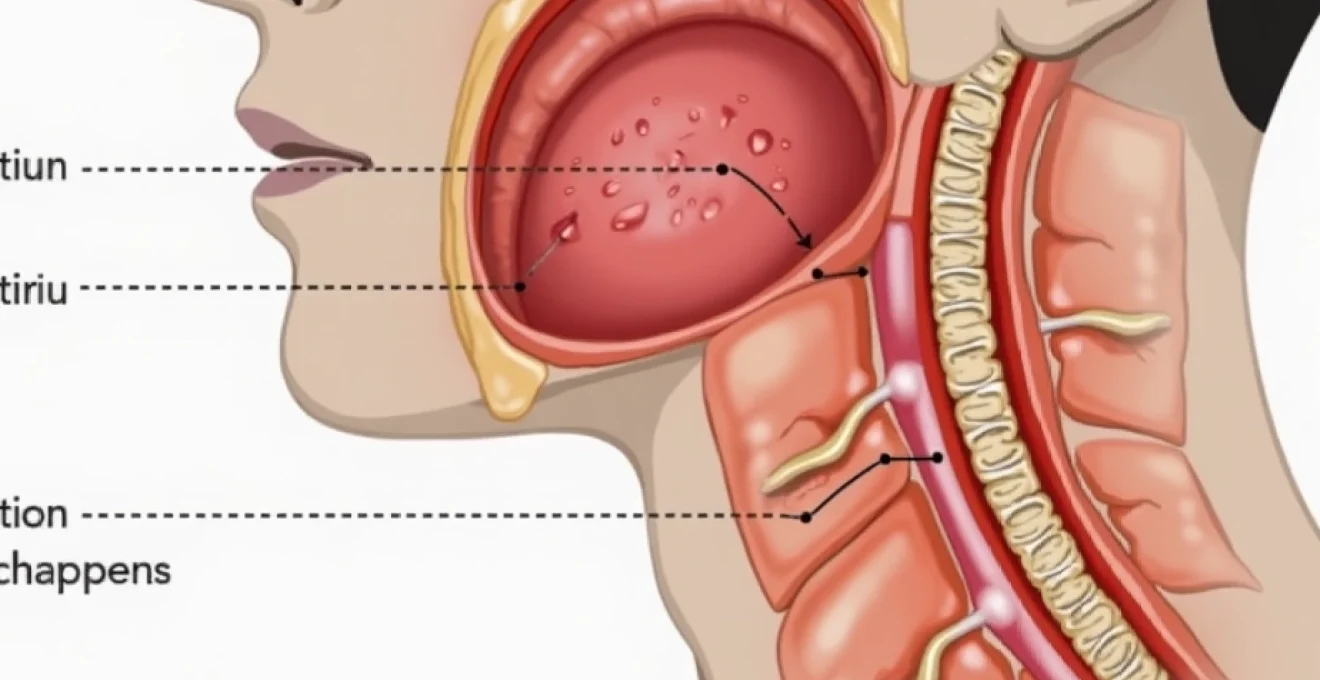
Discovering a painful lump in your neck can understandably cause significant concern and anxiety. While many people immediately fear the worst when they find an unexpected mass, the presence of pain actually provides valuable diagnostic information that can help differentiate between various conditions. Painful neck lumps are more commonly associated with benign, inflammatory processes rather than malignant conditions, which tend to present as painless masses. Understanding the various causes of painful cervical lymphadenopathy and other neck masses can help you recognise when immediate medical attention is necessary and when watchful waiting might be appropriate.
The cervical region contains numerous anatomical structures that can give rise to painful masses, including lymph nodes, thyroid tissue, salivary glands, and various soft tissue components. The lymphatic system plays a particularly crucial role in immune surveillance, with cervical lymph nodes serving as filters for lymphatic drainage from the head and neck region. When these nodes become enlarged and tender, they typically indicate an active immune response to infection or inflammation in their drainage territories.
Common benign causes of painful cervical lymphadenopathy
The vast majority of painful neck lumps result from benign inflammatory processes, with reactive lymphadenopathy being the most frequent cause. These reactive changes occur when lymph nodes respond to antigenic stimulation from infectious agents or inflammatory mediators. The pain associated with benign lymph node enlargement typically results from rapid capsular distension and increased pressure within the node architecture.
Benign cervical lymphadenopathy demonstrates characteristic features that help distinguish it from more concerning pathology. These nodes are typically mobile, soft to rubbery in consistency, and demonstrate tenderness on palpation. The surrounding tissues may show signs of inflammation, including erythema and increased warmth. Most importantly, benign reactive nodes tend to resolve spontaneously once the underlying stimulus is removed or treated appropriately.
Reactive lymphadenitis from upper respiratory tract infections
Upper respiratory tract infections represent the most common cause of painful cervical lymphadenopathy, particularly in younger patients. Viral infections such as rhinovirus, influenza, parainfluenza, and respiratory syncytial virus frequently trigger reactive lymph node enlargement in the cervical chains. The anterior cervical and submandibular nodes are most commonly affected, corresponding to their drainage territories from the nasal cavity, pharynx, and oral structures.
The clinical presentation typically includes concurrent symptoms of upper respiratory infection, such as nasal congestion, sore throat, cough, and low-grade fever. The lymph nodes become enlarged and tender within days of symptom onset, reaching peak size during the acute phase of illness. Resolution usually occurs gradually over several weeks following recovery from the primary infection, though some degree of residual enlargement may persist for months.
Bacterial cervical lymphadenitis: staphylococcus and streptococcus presentations
Bacterial lymphadenitis presents a more aggressive clinical picture compared to viral causes, with Staphylococcus aureus and Streptococcus pyogenes being the most common causative organisms. These infections can occur as primary bacterial lymphadenitis or secondary to bacterial superinfection of initially viral-induced lymph node enlargement. The affected nodes demonstrate marked tenderness, significant enlargement, and may progress to suppuration if left untreated.
Clinical features that suggest bacterial aetiology include high fever, rigors, overlying skin erythema, and rapid onset of symptoms. The nodes may become fluctuant if abscess formation occurs, requiring surgical drainage in addition to appropriate antibiotic therapy. Streptococcal lymphadenitis often follows pharyngitis or impetigo, while staphylococcal involvement may result from skin and soft tissue infections in the drainage territory.
Epstein-barr virus and Cytomegalovirus-Associated lymph node enlargement
Epstein-Barr virus (EBV) and cytomegalovirus (CMV) infections cause distinctive patterns of cervical lymphadenopathy that differ from typical upper respiratory infections. EBV-induced mononucleosis typically presents with bilateral cervical lymph node enlargement, particularly affecting the posterior cervical chain. The nodes are characteristically tender and may become quite large, sometimes measuring several centimetres in diameter.
The systemic features of EBV mononucleosis include prolonged fever, severe fatigue, pharyngitis with tonsillar exudate, and splenomegaly. Laboratory findings reveal lymphocytosis with atypical lymphocytes and positive heterophile antibodies (monospot test). CMV mononucleosis presents similarly but typically lacks the severe pharyngitis and demonstrates negative heterophile antibodies, requiring specific CMV serology for diagnosis.
Cervical tuberculous lymphadenitis (scrofula): clinical recognition
Tuberculous lymphadenitis remains an important cause of cervical lymph node enlargement, particularly in immunocompromised patients and those from endemic areas. The presentation can be quite variable, ranging from acute painful enlargement to chronic, slowly progressive masses. The posterior cervical triangle is most commonly affected, though any cervical lymph node group may be involved.
Early stages of tuberculous lymphadenitis may present with painful, mobile nodes that can be mistaken for reactive lymphadenopathy. However, the chronicity of symptoms, lack of resolution with antibiotic therapy, and eventual development of matted, fixed masses with potential skin involvement should raise suspicion for mycobacterial infection. Constitutional symptoms such as night sweats, weight loss, and low-grade fever may be present but are not universal.
Malignant neoplasms presenting as painful cervical masses
While malignant neck masses are typically painless, certain circumstances can result in painful presentations that may initially suggest benign pathology. Rapid tumour growth, haemorrhage into a malignant mass, or invasion of pain-sensitive structures can all contribute to discomfort. Additionally, secondary infection of necrotic tumour tissue or inflammatory reactions around malignant deposits may cause significant pain.
The key distinguishing features that should raise suspicion for malignancy include progressive enlargement despite appropriate therapy, hard or fixed consistency, irregular surface, and association with constitutional symptoms such as unexplained weight loss, night sweats, and persistent fatigue. Age plays a crucial role in risk stratification, with malignant causes becoming increasingly likely in patients over 40 years of age.
The rapid growth of certain aggressive lymphomas can cause significant pain due to capsular distension and pressure effects on surrounding structures, challenging the traditional teaching that malignant nodes are painless.
Primary lymphomas: hodgkin’s disease and Non-Hodgkin’s lymphoma differentiation
Primary lymphomas arising in cervical lymph nodes can occasionally present with pain, particularly when growth is rapid or when the tumour outgrows its blood supply, leading to necrosis and inflammation. Hodgkin’s lymphoma classically presents with painless lymphadenopathy, but approximately 10% of cases may experience pain in affected nodes following alcohol consumption, known as alcohol-induced pain.
Non-Hodgkin’s lymphomas encompass a diverse group of malignancies with varying growth patterns and clinical presentations. Aggressive subtypes such as diffuse large B-cell lymphoma may present with rapidly enlarging, tender masses due to their high proliferation rates. The presence of B-symptoms (fever, night sweats, weight loss) occurs in approximately 30% of cases and suggests more advanced disease.
Metastatic squamous cell carcinoma from head and neck primary sites
Metastatic squamous cell carcinoma from head and neck primary sites represents a common cause of cervical lymph node enlargement in older adults, particularly those with significant tobacco and alcohol exposure. While these metastatic deposits are typically painless, rapid growth or central necrosis can result in discomfort. The pattern of lymph node involvement often provides clues to the primary site location.
Upper cervical and submandibular node involvement suggests oral cavity or oropharyngeal primaries, while mid-cervical nodes may indicate laryngeal or hypopharyngeal sources. Level V (posterior triangle) involvement is characteristic of nasopharyngeal carcinoma. A thorough head and neck examination, including nasopharyngolaryngoscopy, is essential when metastatic squamous cell carcinoma is suspected.
Thyroid carcinoma with cervical lymph node metastases
Thyroid carcinoma, particularly papillary thyroid cancer, frequently metastasises to cervical lymph nodes, most commonly the central compartment (Level VI) and lateral neck nodes (Levels II-IV). While the primary thyroid mass and metastatic nodes are typically painless, rapid growth or cystic degeneration within metastatic deposits can cause discomfort.
Papillary thyroid carcinoma metastases may present as cystic masses due to their tendency for central necrosis and fluid accumulation. These cystic metastases can be mistaken for benign thyroglossal duct cysts or branchial cleft cysts, emphasising the importance of appropriate diagnostic evaluation. Fine needle aspiration with thyroglobulin measurement in the aspirate fluid can help establish the diagnosis.
Nasopharyngeal carcinoma: posterior cervical triangle involvement
Nasopharyngeal carcinoma demonstrates a characteristic pattern of cervical lymph node metastases, with early and frequent involvement of the posterior cervical triangle (Level V). This unique drainage pattern reflects the lymphatic anatomy of the nasopharynx. The presentation may include unilateral serous otitis media due to eustachian tube dysfunction, nasal obstruction, and epistaxis.
The association with Epstein-Barr virus infection provides additional diagnostic markers, including elevated EBV antibody titres and EBV-encoded RNA (EBER) positivity in tissue samples. The geographic distribution shows higher incidence rates in certain populations, particularly those of Southern Chinese descent, which should inform clinical suspicion in appropriate ethnic groups.
Thyroid gland pathology causing anterior neck pain
The thyroid gland occupies a central position in the lower neck and can give rise to various painful conditions that may be mistaken for lymph node enlargement. Thyroid-related neck pain typically localises to the anterior neck but may radiate to the jaw, ear, or upper chest. Understanding the different thyroid pathologies that cause pain is crucial for appropriate diagnosis and management.
Thyroid pain most commonly results from inflammatory conditions rather than malignancy. The rich innervation of the thyroid capsule means that any process causing rapid glandular expansion or capsular irritation can produce significant discomfort. The temporal pattern of pain onset and associated symptoms often provide important diagnostic clues.
Acute thyroiditis: de quervain’s subacute granulomatous thyroiditis
De Quervain’s thyroiditis, also known as subacute granulomatous thyroiditis, represents the most common cause of thyroid pain. This condition typically follows viral upper respiratory infections by several weeks and presents with severe anterior neck pain that may radiate to the jaw and ears. The pain is often exacerbated by swallowing, head movement, or palpation of the thyroid gland.
The clinical course follows a characteristic triphasic pattern: an initial hyperthyroid phase due to release of preformed thyroid hormones from damaged follicles, followed by a hypothyroid phase as hormone stores become depleted, and finally recovery of normal thyroid function in most patients. Laboratory findings during the acute phase include elevated inflammatory markers, suppressed thyroid-stimulating hormone (TSH), and elevated free thyroid hormones.
Hashimoto’s thyroiditis with acute exacerbation
Hashimoto’s thyroiditis typically presents as a painless, slowly progressive enlargement of the thyroid gland. However, acute exacerbations can occur, particularly in younger patients, resulting in significant thyroid pain and tenderness. These acute episodes may be triggered by viral infections, stress, or other immune system perturbations.
The thyroid gland in Hashimoto’s thyroiditis characteristically feels firm and lobulated due to chronic inflammatory changes and fibrosis. Laboratory evaluation reveals elevated thyroid peroxidase antibodies and thyroglobulin antibodies in most cases. Thyroid function may be normal initially but typically progresses to hypothyroidism over time as functional thyroid tissue is replaced by fibrous tissue.
Thyroid nodule haemorrhage and cystic degeneration
Haemorrhage into thyroid nodules can cause sudden onset of severe neck pain, often accompanied by rapid increase in nodule size. This complication most commonly occurs in pre-existing nodules, particularly those with cystic components or autonomously functioning nodules. The pain is typically sharp and may be associated with local pressure symptoms such as dysphagia or voice changes.
Cystic degeneration within thyroid nodules can also cause discomfort, particularly when associated with rapid fluid accumulation or secondary infection. Ultrasound evaluation demonstrates the cystic nature of these lesions and may reveal echogenic debris or fluid-fluid levels in cases of recent haemorrhage. Fine needle aspiration may be both diagnostic and therapeutic in managing large cystic components.
Anaplastic thyroid carcinoma: rapidly progressive presentations
Anaplastic thyroid carcinoma represents one of the most aggressive human malignancies and can present with significant neck pain due to its rapid growth and local invasive characteristics. Unlike most thyroid cancers, anaplastic carcinoma frequently causes pain due to invasion of surrounding structures, including the trachea, oesophagus, and cervical muscles.
The clinical presentation typically includes a rapidly enlarging, hard neck mass associated with compressive symptoms such as dysphagia, dyspnoea, and voice changes. The aggressive nature of this malignancy often results in early local invasion and distant metastases, making prompt recognition and urgent multidisciplinary management essential. The prognosis remains poor despite aggressive treatment approaches , with median survival measured in months rather than years.
Diagnostic imaging and laboratory assessment protocols
Appropriate diagnostic evaluation of painful neck masses requires a systematic approach combining clinical assessment, laboratory studies, and imaging modalities. The initial evaluation should focus on determining whether the mass represents lymph node enlargement, thyroid pathology, or other soft tissue abnormalities. Clinical history and physical examination provide crucial information for guiding subsequent investigations.
Laboratory studies play an essential role in the diagnostic workup and should be tailored to the clinical presentation. Basic investigations include a complete blood count with differential, inflammatory markers such as C-reactive protein and erythrocyte sedimentation rate, and thyroid function tests when thyroid pathology is suspected. Additional studies may be indicated based on clinical suspicion, including viral serology, autoimmune markers, and tumour markers in appropriate contexts.
Ultrasonography represents the initial imaging modality of choice for evaluating neck masses due to its accessibility, lack of ionising radiation, and excellent soft tissue resolution. High-frequency ultrasound probes can differentiate between solid and cystic lesions, assess vascular flow patterns, and guide fine needle aspiration procedures. Characteristic ultrasound features can help distinguish benign reactive lymph nodes from potentially malignant masses.
Cross-sectional imaging with computed tomography or magnetic resonance imaging becomes necessary when ultrasound findings are inconclusive or when deeper structures require evaluation. CT scanning with intravenous contrast provides excellent anatomical detail and can assess for central necrosis, calcifications, and relationship to adjacent structures. MRI offers superior soft tissue contrast and is particularly valuable for assessing thyroid pathology and distinguishing between different tissue types.
| Imaging Modality | Primary Indications | Key Advantages | Limitations |
|---|---|---|---|
| Ultrasound | Initial assessment, FNA guidance | Real-time, no radiation, cost-effective | Operator dependent, limited penetration |
| CT with contrast | Staging, surgical planning | Detailed anatomy, rapid acquisition | Radiation exposure, contrast reactions |
| MRI | Soft tissue characterisation | Superior soft tissue contrast | Time-consuming, expensive, contrain |
Fine needle aspiration (FNA) represents the most important diagnostic procedure for evaluating suspicious neck masses. This minimally invasive technique allows for cytological examination and can often provide a definitive diagnosis. The procedure should be performed under ultrasound guidance to ensure accurate sampling and minimize complications. Interpretation of FNA results requires experienced cytopathologists familiar with head and neck pathology.
When FNA results are non-diagnostic or suggest malignancy, core needle biopsy may be necessary to obtain adequate tissue for histopathological examination and immunohistochemical studies. Flow cytometry analysis becomes particularly important when lymphoma is suspected, as this technique can provide crucial information about cell surface markers and clonality patterns.
Emergency red flags requiring immediate medical intervention
Certain clinical presentations of painful neck masses require urgent medical evaluation and immediate intervention to prevent life-threatening complications. Recognition of these red flag symptoms is crucial for both patients and healthcare providers to ensure appropriate triage and timely management. The development of airway compromise represents the most serious emergency situation associated with neck masses.
Rapidly enlarging neck masses that cause compression of the upper airway can result in acute respiratory distress. Signs of airway compromise include stridor, difficulty breathing, inability to swallow secretions, and positional breathing difficulties. Patients may adopt a tripod position or experience relief only when sitting upright, indicating significant airway narrowing.
Fever accompanied by rapidly spreading neck swelling suggests the possibility of deep neck space infection, which can progress to life-threatening conditions such as Ludwig’s angina or descending necrotising mediastinitis. These infections can spread rapidly along fascial planes and may cause airway obstruction through mass effect or laryngeal oedema. Immediate surgical consultation and broad-spectrum antibiotics are typically required.
Deep neck space infections can progress from minor symptoms to life-threatening airway compromise within hours, making early recognition and aggressive management essential for patient survival.
Constitutional symptoms such as high fever, rigors, night sweats, and unexplained weight loss warrant urgent evaluation, particularly in older adults or immunocompromised patients. These systemic symptoms may indicate aggressive malignancy, systemic infection, or autoimmune conditions requiring immediate diagnosis and treatment initiation.
Neurological symptoms including facial weakness, tongue deviation, difficulty swallowing, or voice changes suggest involvement of cranial nerves and may indicate advanced local disease or aggressive pathology. Progressive symptoms over days to weeks require urgent specialist evaluation to prevent permanent neurological deficits.
- Acute onset of breathing difficulties or stridor
- Rapidly spreading neck swelling with high fever
- Inability to swallow secretions or severe dysphagia
- Progressive neurological symptoms affecting speech or swallowing
- Constitutional symptoms with rapid clinical deterioration
Treatment algorithms for painful cervical lymphadenopathy management
The management of painful cervical lymphadenopathy follows a systematic approach based on clinical presentation, diagnostic findings, and underlying aetiology. Initial treatment focuses on addressing the underlying cause while providing symptomatic relief and monitoring for complications. The treatment algorithm begins with conservative management for likely reactive lymphadenopathy and escalates based on clinical response and diagnostic results.
For patients presenting with clinical features consistent with viral upper respiratory tract infection, initial management includes supportive care with analgesics, anti-inflammatory medications, and warm compresses. Most viral-related lymphadenopathy resolves spontaneously within 2-4 weeks as the underlying infection clears. Regular follow-up is essential to ensure progressive resolution and identify cases requiring further investigation.
When bacterial infection is suspected based on clinical presentation, empirical antibiotic therapy should be initiated promptly. First-line treatment typically includes broad-spectrum antibiotics covering common pathogens such as Staphylococcus aureus and Streptococcus pyogenes. Amoxicillin-clavulanate or clindamycin represent appropriate initial choices, with treatment duration of 7-10 days for uncomplicated cases.
Patients with suspected mononucleosis require specific management approaches, including avoidance of contact sports due to splenomegaly risk and symptomatic treatment with adequate rest, hydration, and anti-inflammatory medications. Corticosteroids may be considered in severe cases with airway compromise or severe pharyngitis, though routine use is not recommended due to potential complications.
Tuberculous lymphadenitis requires specialist management with anti-tuberculous therapy following appropriate diagnostic confirmation. Standard treatment regimens include combination therapy with isoniazid, rifampin, ethambutol, and pyrazinamide for the initial intensive phase, followed by continuation therapy with isoniazid and rifampin. Treatment duration typically extends 6-9 months, with regular monitoring for treatment response and medication toxicity.
- Initial clinical assessment and risk stratification
- Appropriate diagnostic investigations based on clinical suspicion
- Empirical treatment for likely infectious causes
- Specialist referral for persistent or concerning features
- Definitive treatment based on confirmed diagnosis
- Regular follow-up to ensure treatment response
When malignancy is confirmed or strongly suspected, urgent multidisciplinary team involvement becomes essential. Treatment planning requires coordination between oncologists, surgeons, radiation oncologists, and other specialists depending on the specific diagnosis. The complexity of head and neck cancer management necessitates treatment at specialised centres with appropriate expertise and support services.
Thyroid-related causes of painful neck masses require specific treatment approaches based on the underlying pathology. De Quervain’s thyroiditis typically responds well to anti-inflammatory medications, with severe cases potentially requiring short courses of corticosteroids. Beta-blockers may be necessary during the hyperthyroid phase to control symptoms such as palpitations and tremor.
Follow-up protocols should be established based on the suspected or confirmed diagnosis and treatment response. Patients with reactive lymphadenopathy typically require reassessment within 2-4 weeks to ensure resolution, while those with confirmed malignancy need structured oncological follow-up. Clear instructions should be provided regarding symptoms that warrant immediate medical attention, empowering patients to seek appropriate care when necessary.
The integration of patient education into the treatment algorithm ensures optimal outcomes and reduces anxiety. Patients should understand their specific diagnosis, expected treatment course, potential complications, and long-term prognosis. This comprehensive approach to painful cervical lymphadenopathy management emphasises the importance of accurate diagnosis, appropriate treatment selection, and careful monitoring to achieve the best possible outcomes for each individual patient.