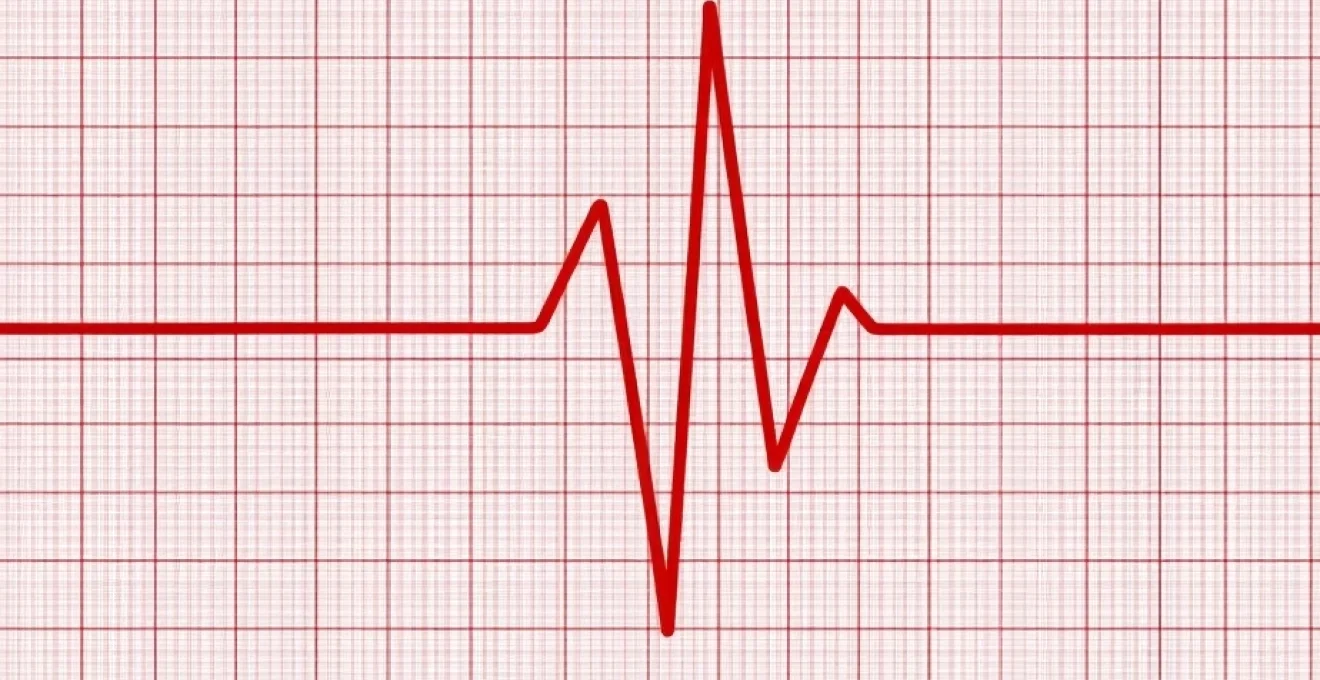
An abnormal electrocardiogram (ECG) can be a source of significant concern for patients and healthcare providers alike. This non-invasive diagnostic tool measures the electrical activity of your heart, providing crucial insights into cardiac function and rhythm. When ECG results deviate from normal parameters, they may indicate a range of conditions from benign variations to serious cardiovascular disorders requiring immediate attention. Understanding the complexities of ECG interpretation is essential for proper cardiac assessment and patient management.
The significance of abnormal ECG findings extends far beyond simple rhythm disturbances. Modern cardiology relies heavily on electrocardiographic evidence to diagnose acute myocardial infarctions, identify structural heart disease, and assess the effectiveness of cardiac interventions. With over 300 million ECGs performed annually worldwide, the ability to distinguish between clinically significant abnormalities and normal variants has become increasingly important in contemporary medical practice.
Understanding ECG waveform components and normal parameters
The foundation of ECG interpretation lies in understanding the normal electrical conduction system of the heart and how it manifests on the 12-lead electrocardiogram. Each component of the ECG waveform represents specific phases of cardiac electrical activity, and deviations from established norms can provide valuable diagnostic information about underlying pathophysiology.
P wave morphology and atrial depolarisation assessment
The P wave represents atrial depolarisation and normally appears as a small, rounded deflection preceding each QRS complex. In healthy individuals, P waves should be upright in leads I, II, and aVF, with a duration of less than 120 milliseconds and amplitude below 2.5 millimetres in the limb leads. Abnormal P wave morphology can indicate various atrial pathologies, including atrial enlargement, ectopic atrial rhythms, or conduction disturbances.
Peaked P waves, often termed “P pulmonale,” may suggest right atrial enlargement commonly associated with pulmonary hypertension or chronic obstructive pulmonary disease. Conversely, broad, notched P waves in lead II, known as “P mitrale,” typically indicate left atrial enlargement secondary to mitral valve disease or left ventricular dysfunction. The absence of discernible P waves may suggest atrial fibrillation or other supraventricular arrhythmias requiring further investigation.
QRS complex duration and ventricular conduction analysis
The QRS complex represents ventricular depolarisation and constitutes the most prominent feature of the normal ECG. A normal QRS duration ranges from 80 to 100 milliseconds, with prolongation beyond 120 milliseconds indicating abnormal intraventricular conduction. The morphology and duration of QRS complexes provide critical information about ventricular function and conduction system integrity.
Widened QRS complexes may result from bundle branch blocks, ventricular hypertrophy, or metabolic disturbances affecting cardiac conduction. Right bundle branch block typically presents with an RSR’ pattern in lead V1, whilst left bundle branch block demonstrates a broad, monophasic R wave in leads I, aVL, and V6. These conduction abnormalities can significantly impact cardiac output and may require pacemaker intervention in symptomatic patients.
T wave configuration and repolarisation pattern recognition
T waves represent ventricular repolarisation and normally appear as asymmetrical, upright deflections in most leads except aVR and sometimes V1. The ascending limb of the T wave is typically more gradual than the descending limb, creating the characteristic asymmetrical appearance. T wave abnormalities can indicate ischaemia, electrolyte imbalances, or structural heart disease.
Inverted T waves in leads other than aVR may suggest myocardial ischaemia, previous infarction, or ventricular strain patterns. Tall, peaked T waves often indicate hyperkalaemia and require immediate attention due to the risk of fatal arrhythmias. Flattened or biphasic T waves may suggest hypokalaemia or non-specific repolarisation abnormalities that warrant further clinical correlation and investigation.
PR interval measurements and atrioventricular conduction time
The PR interval measures the time required for electrical impulses to travel from the sinoatrial node through the atria, atrioventricular node, and His-Purkinje system to initiate ventricular depolarisation. Normal PR intervals range from 120 to 200 milliseconds, with values outside this range suggesting atrioventricular conduction abnormalities that may require therapeutic intervention.
Prolonged PR intervals indicate first-degree atrioventricular block, whilst progressively lengthening PR intervals followed by dropped QRS complexes suggest second-degree AV block type I (Wenckebach phenomenon). Complete absence of correlation between P waves and QRS complexes indicates third-degree or complete heart block, a potentially life-threatening condition requiring immediate pacemaker consideration.
QT interval calculation and corrected QTc values
The QT interval encompasses the entire duration of ventricular depolarisation and repolarisation, measured from the beginning of the QRS complex to the end of the T wave. Since QT interval duration varies with heart rate, correction formulas such as Bazett’s formula are employed to calculate the corrected QT interval (QTc), with normal values typically below 440 milliseconds in men and 460 milliseconds in women.
Prolonged QTc intervals predispose patients to potentially fatal arrhythmias, particularly torsades de pointes, and may result from congenital long QT syndrome, medications, or electrolyte abnormalities. Conversely, shortened QT intervals, though less common, can also increase arrhythmic risk and may be associated with hypercalcaemia or certain genetic conditions requiring specialist evaluation.
Cardiac rhythm abnormalities and arrhythmia classification
Cardiac arrhythmias represent one of the most common categories of abnormal ECG findings, encompassing a diverse spectrum of rhythm disturbances that can range from benign to life-threatening. The systematic approach to arrhythmia interpretation involves assessing heart rate, rhythm regularity, P wave presence and morphology, and the relationship between atrial and ventricular activity. Understanding these fundamental principles enables accurate diagnosis and appropriate management of various arrhythmic conditions.
Atrial fibrillation pattern recognition and rate variability
Atrial fibrillation stands as the most prevalent sustained cardiac arrhythmia, affecting millions of individuals worldwide and significantly increasing stroke risk. The ECG hallmarks of atrial fibrillation include an irregularly irregular ventricular rhythm, absence of discernible P waves, and the presence of fine fibrillatory waves in the baseline. The ventricular response rate typically ranges from 100 to 160 beats per minute in untreated patients, though this can vary considerably based on atrioventricular nodal conduction properties.
Recognition of atrial fibrillation patterns requires careful attention to rhythm irregularity and the characteristic “irregularly irregular” pattern that distinguishes it from other arrhythmias. The absence of organised atrial activity results in loss of atrial contribution to ventricular filling, potentially reducing cardiac output by 15-20%. Long-term management focuses on rate control, rhythm control, and anticoagulation strategies based on individual stroke risk assessment.
Ventricular tachycardia morphology and polymorphic variants
Ventricular tachycardia represents a potentially life-threatening arrhythmia characterised by rapid ventricular rhythm originating below the atrioventricular node. Monomorphic ventricular tachycardia demonstrates consistent QRS morphology with rates typically exceeding 150 beats per minute, whilst polymorphic ventricular tachycardia shows varying QRS configurations that may progress to ventricular fibrillation without prompt intervention.
The distinction between supraventricular tachycardia with aberrant conduction and true ventricular tachycardia can be challenging but remains crucial for appropriate treatment selection. Features favouring ventricular tachycardia include atrioventricular dissociation, capture beats, fusion beats, and QRS duration exceeding 140 milliseconds. Torsades de pointes, a specific form of polymorphic ventricular tachycardia associated with QT prolongation, requires immediate recognition and specialised treatment protocols.
Bradyarrhythmias and heart block classifications
Bradyarrhythmias encompass various conditions resulting in heart rates below 60 beats per minute, though clinical significance depends on patient symptoms and haemodynamic status rather than absolute heart rate values. Sinus bradycardia may be physiological in athletes or pathological due to intrinsic sinus node dysfunction, medications, or metabolic disturbances affecting cardiac conduction.
Heart blocks represent progressive degrees of atrioventricular conduction impairment, from first-degree block with prolonged PR intervals to complete heart block with independent atrial and ventricular rhythms. Second-degree heart blocks are subdivided into type I (Mobitz I) with progressive PR prolongation and type II (Mobitz II) with intermittent non-conducted P waves without PR prolongation. Recognition of these patterns is essential for determining pacemaker indications and preventing progression to complete heart block.
Premature ventricular contractions and ectopic beat analysis
Premature ventricular contractions (PVCs) represent ectopic beats originating from ventricular tissue, appearing as wide, bizarre QRS complexes occurring earlier than expected in the cardiac cycle. These ectopic beats are followed by compensatory pauses as the sinus node reset occurs. PVC frequency, morphology, and coupling intervals provide important prognostic information regarding underlying cardiac pathology.
Frequent PVCs, particularly those exceeding 10,000 per 24-hour period, may indicate underlying cardiomyopathy or increased risk of sudden cardiac death in certain patient populations. Multiform PVCs, couplets, and runs of non-sustained ventricular tachycardia require careful evaluation and may necessitate antiarrhythmic therapy or electrophysiological intervention depending on symptom severity and left ventricular function.
Myocardial ischaemia and infarction ECG manifestations
The electrocardiographic diagnosis of myocardial ischaemia and infarction represents one of the most critical applications of ECG interpretation in emergency medicine and cardiology. The ECG changes associated with acute coronary syndromes follow a predictable temporal sequence, beginning with hyperacute T wave changes and progressing through ST-segment elevation, Q wave formation, and T wave inversion. Understanding these evolutionary changes enables rapid diagnosis and appropriate intervention to minimise myocardial damage and improve patient outcomes.
St-segment elevation patterns in acute STEMI diagnosis
ST-segment elevation myocardial infarction (STEMI) presents with characteristic electrocardiographic changes that mandate immediate reperfusion therapy. The diagnostic criteria for STEMI include new ST-segment elevation of at least 1 millimetre in two or more contiguous leads, or at least 2 millimetres in the precordial leads V2-V3. The morphology of ST elevation typically appears as upward concavity in the early stages, progressing to convex or “tombstone” morphology in extensive infarctions.
The distribution of ST elevation helps localise the culprit coronary artery and extent of myocardial involvement. Anterior STEMI affects leads V1-V6, lateral STEMI involves leads I, aVL, V5-V6, and inferior STEMI presents changes in leads II, III, and aVF. Posterior STEMI, though less commonly recognised, manifests as ST depression in leads V1-V3 with tall R waves and upright T waves, often requiring posterior lead placement for definitive diagnosis.
T wave inversion characteristics in Non-ST elevation events
Non-ST elevation acute coronary syndromes encompass unstable angina and non-ST elevation myocardial infarction, conditions that may present with more subtle electrocardiographic changes than STEMI. T wave inversions, particularly when deep and symmetrical, suggest significant myocardial ischaemia and may indicate high-risk unstable angina or evolving myocardial infarction requiring aggressive management strategies.
The temporal evolution of T wave changes provides valuable prognostic information, with persistent T wave inversion suggesting ongoing ischaemia or completed infarction. Wellens’ syndrome, characterised by deeply inverted T waves in leads V2-V4, indicates critical left anterior descending coronary artery stenosis and high risk of extensive anterior wall myocardial infarction without prompt intervention.
Q wave development and transmural infarction evidence
Pathological Q waves develop as a consequence of transmural myocardial infarction, typically appearing within hours to days following the acute event. These Q waves are defined as being at least 0.04 seconds in duration and having depth exceeding 25% of the subsequent R wave amplitude. The presence of Q waves indicates irreversible myocardial necrosis and helps distinguish STEMI from other causes of ST elevation.
The location of Q waves corresponds to the anatomical distribution of myocardial damage, with anterior Q waves appearing in leads V1-V4, lateral Q waves in leads I and aVL, and inferior Q waves in leads II, III, and aVF. However, it’s important to recognise that small, narrow Q waves may be normal variants, particularly in leads III and aVF, and should be interpreted in the appropriate clinical context.
Reciprocal changes and coronary territory localisation
Reciprocal ECG changes represent mirror-image ST depression occurring in leads electrically opposite to those showing ST elevation, providing additional diagnostic confidence in acute myocardial infarction diagnosis. These reciprocal changes result from the vector orientation of injured myocardium and help differentiate true STEMI from other causes of ST elevation such as pericarditis or early repolarisation variants.
Understanding coronary anatomy and its relationship to ECG lead groupings enables precise localisation of the culprit vessel and extent of myocardial involvement. Right ventricular infarction, often accompanying inferior STEMI, requires specific evaluation with right-sided chest leads (V3R-V6R) and may present unique haemodynamic challenges requiring specialised management approaches including volume loading and inotropic support.
Structural heart disease ECG indicators
Structural heart disease encompasses various anatomical abnormalities affecting cardiac chambers, valves, and conduction systems, many of which produce characteristic electrocardiographic changes that aid in diagnosis and monitoring. The ECG serves as a valuable screening tool for detecting ventricular hypertrophy, chamber enlargement, and congenital heart defects, though echocardiography remains the gold standard for definitive structural assessment. Recognition of these ECG patterns enables early identification of patients requiring further cardiac evaluation and specialist referral.
Left ventricular hypertrophy represents one of the most clinically significant structural abnormalities detectable on ECG, often resulting from chronic pressure or volume overload conditions such as hypertension, aortic stenosis, or hypertrophic cardiomyopathy. Multiple criteria exist for ECG diagnosis of left ventricular hypertrophy, including the Sokolow-Lyon criteria (S wave in V1 plus R wave in V5 or V6 exceeding 35 millimetres) and the Cornell criteria (R wave in aVL plus S wave in V3 exceeding 28 millimetres in men or 20 millimetres in women). The presence of left ventricular hypertrophy on ECG correlates with increased cardiovascular morbidity and mortality, making it an important prognostic marker.
Right ventricular hypertrophy presents different electrocardiographic features, including tall R waves in leads V1-V2, right axis deviation exceeding 110 degrees, and T wave inversions in the right precordial leads. These changes typically result from pulmonary hypertension, congenital heart disease, or chronic lung conditions causing increased right heart pressures. The ECG sensitivity for detecting right ventricular hypertrophy is generally lower than for left ventricular hypertrophy, often requiring more advanced imaging techniques for accurate assessment.
Atrial enlargement patterns provide valuable information about chronic volume or pressure overload affecting the atria. Left atrial enlargement manifests as broad, notched P waves in lead II (P mitrale) with duration exceeding 120 milliseconds, whilst right atrial enlargement produces tall, peaked P waves (P pulmonale) with amplitude greater than 2.
5 millimetres in leads V1-V2. These patterns of chamber enlargement often coexist with other cardiac abnormalities and may indicate the need for comprehensive cardiovascular evaluation including echocardiography, cardiac catheterisation, or advanced imaging studies to determine underlying aetiology and guide therapeutic interventions.
Electrolyte imbalances and metabolic ECG changes
Electrolyte disturbances represent a frequently overlooked yet critically important cause of ECG abnormalities that can produce life-threatening arrhythmias if not promptly recognised and corrected. The heart’s electrical activity depends heavily on the precise balance of sodium, potassium, calcium, and magnesium ions across cardiac cell membranes. Understanding the characteristic ECG manifestations of electrolyte imbalances enables rapid identification and appropriate treatment of these potentially reversible conditions.
Hyperkalaemia produces a predictable sequence of ECG changes that correlate with serum potassium levels and clinical severity. Early manifestations include tall, peaked T waves with narrow bases, particularly prominent in the precordial leads V2-V4. As potassium levels rise above 6.5 mEq/L, progressive conduction delays develop, including PR interval prolongation, P wave flattening, and QRS widening. Severe hyperkalaemia can produce a sine-wave pattern preceding cardiac arrest, making urgent recognition and treatment essential for patient survival.
Hypokalaemia manifests as flattened or inverted T waves, prominent U waves following the T wave, and apparent QT prolongation that actually represents QT-U fusion. These changes predispose patients to dangerous arrhythmias including torsades de pointes, particularly when combined with QT-prolonging medications or underlying cardiac disease. ST segment depression may also occur in severe hypokalaemia, potentially mimicking myocardial ischaemia and complicating clinical assessment.
Calcium abnormalities primarily affect ventricular repolarisation, with hypercalcaemia causing QT interval shortening and hypocalcaemia producing QT prolongation. Severe hypocalcaemia may also cause T wave inversions and can precipitate tetany or seizures in conjunction with cardiac manifestations. Magnesium deficiency, often accompanying other electrolyte disturbances, can potentiate the effects of hypokalaemia and hypocalcaemia whilst contributing to increased arrhythmic susceptibility.
Metabolic conditions beyond electrolyte imbalances can also produce characteristic ECG changes requiring recognition and appropriate management. Hypothyroidism commonly causes sinus bradycardia, low voltage QRS complexes, and prolonged QT intervals, whilst hyperthyroidism may precipitate atrial fibrillation and other supraventricular arrhythmias. Hypothermia produces distinctive J waves (Osborn waves) following the QRS complex, with increasing prominence as core body temperature decreases below 32°C.
Clinical interpretation protocols and risk stratification methods
The systematic approach to ECG interpretation requires a structured methodology that ensures comprehensive evaluation whilst minimising the risk of overlooking subtle but clinically significant abnormalities. Modern cardiology emphasises evidence-based interpretation protocols that incorporate clinical context, patient demographics, and symptom presentation to optimise diagnostic accuracy and guide appropriate therapeutic decisions. Understanding these systematic approaches enables healthcare providers to maximise the diagnostic utility of electrocardiography in diverse clinical settings.
The initial assessment phase involves verifying technical adequacy, including proper lead placement, adequate calibration, and absence of significant artefact that might compromise interpretation accuracy. Standard calibration requires 10 millimetres per millivolt amplitude and 25 millimetres per second paper speed, though alternative settings may be employed in specific clinical circumstances. Lead misplacement, particularly involving the limb leads or precordial lead positioning, can produce pseudo-abnormalities that lead to inappropriate clinical decisions if not recognised and corrected.
Rate and rhythm analysis forms the cornerstone of systematic ECG interpretation, beginning with heart rate calculation using either the 300 rule for regular rhythms or the 6-second method for irregular rhythms. Rhythm regularity assessment involves measuring R-R intervals across the entire recording, with variations exceeding 0.12 seconds suggesting irregular rhythms requiring further analysis. P wave identification and morphology assessment determine atrial activity presence and characteristics, whilst evaluating P-QRS relationships establishes atrioventricular conduction patterns.
Axis determination provides valuable information about ventricular depolarisation direction and can indicate chamber enlargement, conduction abnormalities, or electrode misplacement. The normal QRS axis ranges from -30 to +90 degrees, with left axis deviation suggesting left anterior fascicular block or left ventricular hypertrophy, whilst right axis deviation may indicate right ventricular strain or posterior fascicular block. Extreme axis deviation beyond ±90 degrees suggests significant underlying pathology requiring further investigation.
Risk stratification protocols incorporate multiple ECG parameters to assess cardiovascular risk and guide management decisions. High-risk features include evidence of acute ST elevation myocardial infarction, complete heart block, sustained ventricular tachycardia, or other immediately life-threatening arrhythmias requiring emergent intervention. Intermediate-risk findings encompass non-specific ST-T wave changes, first-degree heart blocks, frequent premature ventricular contractions, or new-onset atrial fibrillation requiring urgent but non-emergent evaluation.
The integration of ECG findings with clinical presentation, biomarker results, and imaging studies enhances diagnostic accuracy and therapeutic decision-making. Serial ECG monitoring enables detection of evolving changes that may indicate progression of acute coronary syndromes, response to therapeutic interventions, or development of complications requiring modified treatment approaches. Computer-assisted interpretation systems provide valuable support but require human oversight to ensure clinical correlation and appropriate recognition of subtle abnormalities that automated systems may overlook.
Quality assurance protocols ensure consistent interpretation standards and minimise interobserver variability through standardised reporting formats and regular competency assessment. Continuous education regarding emerging ECG criteria, new diagnostic technologies, and evolving clinical guidelines maintains interpretation accuracy and supports optimal patient care. The recognition that ECG interpretation requires ongoing refinement and clinical correlation emphasises the importance of integrating electrocardiographic findings within the broader clinical context to achieve optimal diagnostic and therapeutic outcomes.