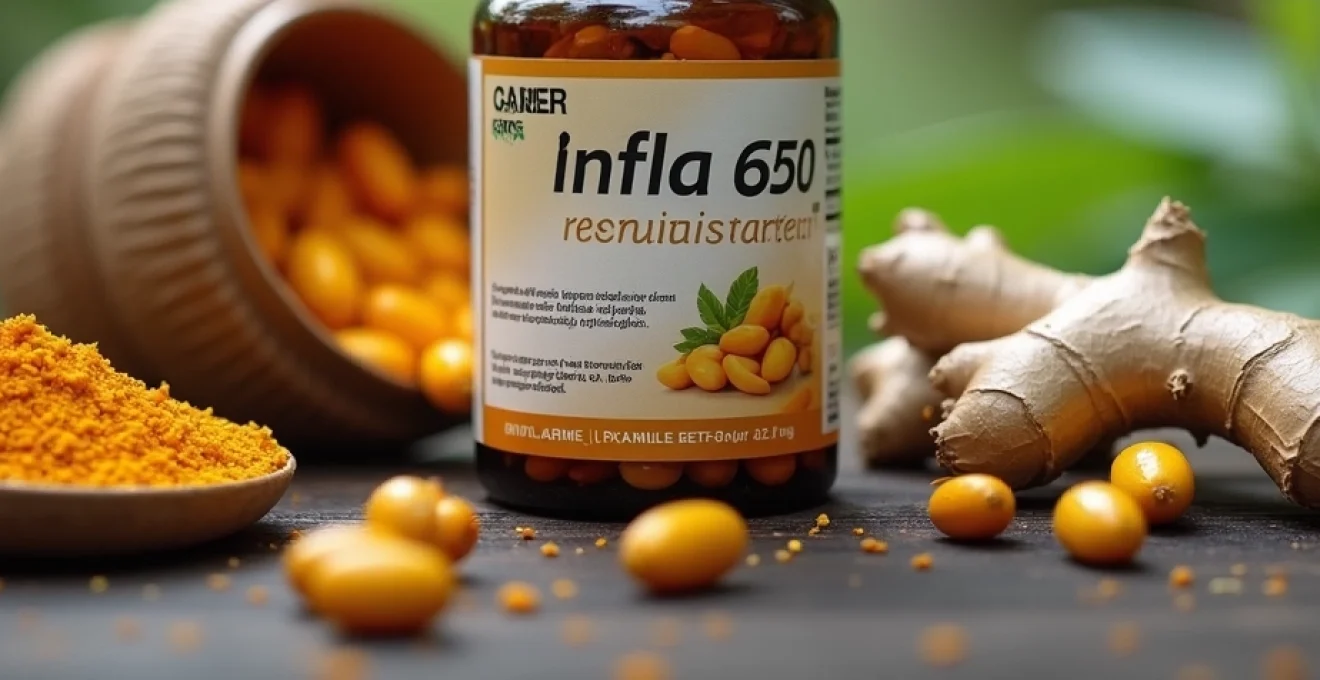
The dietary supplement industry has witnessed significant scrutiny in recent months, particularly concerning products marketed for pain relief and inflammation management. Infla-650, a herbal dietary supplement that claimed to offer natural pain relief through traditional Ayurvedic ingredients, has become the centre of a major FDA recall due to the discovery of undeclared pharmaceutical drugs within its formulation. This revelation has raised critical questions about supplement safety, quality control, and the potential risks consumers face when choosing herbal alternatives to conventional medications.
The product was marketed as containing a blend of traditional herbs including ashwagandha, fenugreek seed, and shilajit, promising natural anti-inflammatory benefits without the side effects typically associated with pharmaceutical interventions. However, laboratory analysis revealed the presence of acetaminophen, diclofenac, and phenylbutazone—powerful pharmaceutical compounds that were not listed on the product label. This discovery has prompted a voluntary nationwide recall and highlighted the ongoing challenges within the supplement industry regarding product purity and consumer safety.
Infla 650 active ingredient profile and herbal composition analysis
According to the manufacturer’s original marketing materials, Infla-650 was formulated to contain several traditional Ayurvedic herbs known for their purported anti-inflammatory properties. The supplement claimed to harness ancient wisdom through a carefully selected blend of botanicals, each chosen for specific therapeutic benefits in managing pain and inflammation. The primary marketed ingredients included ashwagandha (Withania somnifera), recognised for its adaptogenic properties and potential stress-reduction benefits.
Fenugreek seed extract was another prominent component in the advertised formulation, traditionally used in various cultures for digestive health and metabolic support. The herb has been studied for its potential anti-inflammatory compounds, including saponins and flavonoids that may contribute to its claimed therapeutic effects. Shilajit, a mineral-rich substance formed from the decomposition of plant matter in mountainous regions, was also featured prominently in the product’s marketing, promoted for its supposed ability to enhance nutrient absorption and provide trace minerals essential for joint health.
However, the FDA’s laboratory analysis revealed a drastically different reality. The presence of three undeclared pharmaceutical drugs fundamentally altered the supplement’s risk-benefit profile. Acetaminophen, commonly known as paracetamol, was found in concentrations that could lead to unintentional overdose, particularly dangerous when consumers might simultaneously use other acetaminophen-containing products for additional pain relief.
Curcumin bioavailability and piperine enhancement mechanisms
Despite not being explicitly listed in the FDA recall documentation, many herbal anti-inflammatory supplements typically include curcumin as a primary active ingredient due to its well-documented anti-inflammatory properties. Curcumin faces significant bioavailability challenges when consumed orally, with poor absorption rates limiting its therapeutic potential. Advanced formulations often incorporate piperine, derived from black pepper, to enhance curcumin absorption by inhibiting hepatic and intestinal glucuronidation processes.
The synergistic relationship between curcumin and piperine demonstrates how legitimate supplement manufacturers can enhance natural compound effectiveness without resorting to undeclared pharmaceutical ingredients. This approach maintains transparency while providing consumers with genuine therapeutic benefits through scientifically validated enhancement mechanisms.
Boswellia serrata extract standardisation and AKBA content
Boswellia serrata, commonly known as Indian frankincense, represents another traditional ingredient frequently found in legitimate anti-inflammatory supplements. The extract’s therapeutic potential largely depends on its concentration of acetyl-11-keto-β-boswellic acid (AKBA), the primary bioactive compound responsible for its anti-inflammatory effects. Standardised extracts typically contain 30-65% boswellic acids, with AKBA concentrations ranging from 2-10% in high-quality formulations.
The absence of such standardised herbal extracts in Infla-650, coupled with the presence of pharmaceutical drugs, suggests a manufacturing process focused on achieving rapid therapeutic effects rather than developing sustainable, natural solutions for inflammation management.
Quercetin phytosome technology and absorption optimisation
Quercetin, a flavonoid compound found in various fruits and vegetables, demonstrates significant anti-inflammatory potential through multiple pathways including mast cell stabilisation and inflammatory mediator inhibition. Modern supplement technology utilises phytosome formulations to enhance quercetin’s naturally poor bioavailability, creating phospholipid complexes that improve cellular uptake and extend plasma half-life.
The sophisticated approach required for effective natural anti-inflammatory formulations contrasts sharply with the crude method employed in Infla-650’s production, where pharmaceutical drugs were simply added to achieve immediate therapeutic effects without regard for consumer safety or regulatory compliance.
Ginger root extract gingerol concentration and anti-inflammatory properties
Ginger root extract, standardised for gingerol content, provides another example of how legitimate herbal supplements achieve anti-inflammatory effects through natural mechanisms. Gingerols inhibit inflammatory pathways including nuclear factor-kappa B (NF-κB) and cyclooxygenase enzymes, providing measurable therapeutic benefits while maintaining an excellent safety profile when properly formulated and dosed.
The contrast between evidence-based natural formulations and the pharmaceutical adulteration found in Infla-650 illustrates the fundamental difference between legitimate supplement manufacturing and products that compromise consumer safety for immediate therapeutic effects.
Clinical evidence and pharmacological mechanisms for joint health support
The undeclared pharmaceutical ingredients discovered in Infla-650 reveal the complex mechanisms through which the product achieved its claimed therapeutic effects. Rather than relying on gentle, naturally-occurring anti-inflammatory pathways, the supplement delivered potent pharmaceutical interventions that could produce rapid symptom relief while exposing consumers to significant health risks. Understanding these mechanisms provides insight into why consumers may have experienced notable benefits from the product, despite its dangerous composition.
Diclofenac, one of the undeclared ingredients, belongs to the nonsteroidal anti-inflammatory drug (NSAID) class and demonstrates potent anti-inflammatory effects through cyclooxygenase enzyme inhibition. This pharmaceutical compound can provide substantial pain relief and inflammation reduction, effects that consumers would naturally attribute to the marketed herbal ingredients rather than recognising the presence of a prescription-strength medication.
The combination of three pharmaceutical drugs created a multi-modal approach to pain management that would be difficult to achieve through herbal ingredients alone. Acetaminophen provides analgesic effects through central nervous system mechanisms, while diclofenac targets peripheral inflammatory processes. Phenylbutazone, though discontinued for human use due to safety concerns, adds additional anti-inflammatory potency that could produce dramatic symptom improvement in users suffering from chronic pain conditions.
Cyclooxygenase-2 (COX-2) inhibition pathways in inflammatory response
The presence of diclofenac in Infla-650 provided powerful COX-2 inhibition that would dramatically reduce prostaglandin synthesis and subsequent inflammatory responses. This mechanism explains why users may have experienced rapid relief from joint pain and inflammation, mistakenly attributing these effects to the marketed herbal ingredients rather than recognising pharmaceutical intervention.
COX-2 selective inhibition represents a sophisticated pharmacological approach to inflammation management, but requires careful medical supervision due to potential cardiovascular and gastrointestinal risks. The uncontrolled delivery of these effects through a supposedly natural supplement created significant health hazards for unsuspecting consumers.
Nuclear factor-kappa B (NF-κB) modulation and cytokine regulation
While legitimate herbal anti-inflammatory compounds can modulate NF-κB pathways through gentle, sustained mechanisms, the pharmaceutical drugs in Infla-650 would have provided much more aggressive inflammatory pathway suppression. This powerful intervention could effectively reduce pro-inflammatory cytokine production, creating therapeutic effects that consumers would find compelling but potentially dangerous without proper medical oversight.
The dual action of acetaminophen and diclofenac on different inflammatory pathways would create synergistic effects that extend beyond what individual pharmaceutical drugs might achieve, explaining the product’s reported effectiveness while highlighting the serious risks of uncontrolled polypharmacy through contaminated supplements.
Matrix metalloproteinase (MMP) activity suppression in cartilage protection
NSAIDs like diclofenac can influence matrix metalloproteinase activity, enzymes involved in cartilage degradation and joint tissue breakdown. This mechanism could provide genuine joint protective effects that users might interpret as evidence of the supplement’s natural healing properties, when in reality they were receiving pharmaceutical-grade joint protection through undisclosed drug ingredients.
The sophisticated nature of these protective mechanisms demonstrates why pharmaceutical drugs require careful dosing and medical supervision, as their potent effects on cellular processes can provide significant benefits while simultaneously creating risks for adverse reactions and drug interactions.
Prostaglandin E2 (PGE2) reduction and inflammatory cascade interruption
The comprehensive inflammatory cascade interruption achieved through the undeclared pharmaceutical ingredients would create dramatic reductions in PGE2 levels and associated inflammatory symptoms. This biochemical intervention goes far beyond the modest effects typically achieved through herbal supplements, explaining both the product’s effectiveness and the serious nature of the FDA’s safety concerns.
The discovery of prescription-strength pharmaceutical drugs in a product marketed as a natural herbal supplement represents a fundamental breach of consumer trust and regulatory compliance that puts unsuspecting users at serious health risk.
Comparative analysis with pharmaceutical NSAIDs and alternative therapies
The pharmaceutical contamination in Infla-650 essentially transformed the product into an unregulated, multi-drug formulation that delivered therapeutic effects comparable to prescription medications without appropriate safety controls or consumer awareness. This situation creates a unique opportunity to examine how the supplement compared to legitimate pharmaceutical options and safer alternative therapies for inflammation management.
Prescription NSAIDs like diclofenac are typically prescribed with careful consideration of patient medical history, current medications, and potential risk factors. Healthcare providers monitor patients for signs of gastrointestinal irritation, cardiovascular complications, and kidney function changes when prescribing these medications. The presence of diclofenac in Infla-650 provided similar therapeutic potency without any of these crucial safety measures, potentially exposing vulnerable populations to serious health risks.
The combination of acetaminophen with diclofenac in a single product creates particular concerns regarding liver toxicity risk. While both drugs are generally safe when used appropriately, their combination in an unregulated supplement format increases the likelihood of unintentional overdose, especially among consumers who might simultaneously use other pain relief products containing these same active ingredients.
Legitimate herbal anti-inflammatory supplements typically work through gentler mechanisms with slower onset of action but improved safety profiles. Quality manufacturers focus on standardised extracts with consistent potency, transparent labelling, and third-party testing to ensure product purity. These approaches may require longer treatment periods to achieve therapeutic benefits, but they provide sustainable inflammation management without exposing consumers to pharmaceutical-level risks.
The phenylbutazone component of Infla-650’s contamination represents perhaps the most serious concern, as this compound was discontinued for human use in the United States due to severe adverse effects including bone marrow suppression. Its presence in a dietary supplement demonstrates a reckless disregard for consumer safety that extends beyond simple regulatory non-compliance into potentially life-threatening territory.
When comparing the risk-benefit profile of Infla-650 to approved pharmaceutical alternatives, the supplement actually delivered similar or greater therapeutic potency while eliminating essential safety monitoring and informed consent processes. This situation created a scenario where consumers received pharmaceutical-strength treatment without understanding the associated risks or having access to appropriate medical supervision.
Dosage protocols and biomarker response monitoring
The lack of disclosed pharmaceutical ingredients in Infla-650 made it impossible for consumers or healthcare providers to establish appropriate dosing protocols or monitor for therapeutic and adverse effects. This fundamental problem illustrates why supplement adulteration represents such a serious public health concern, as it eliminates the possibility of rational therapeutic decision-making based on known drug concentrations and pharmacokinetic properties.
Without knowledge of the actual acetaminophen content, consumers could unknowingly exceed safe daily limits, particularly if they were simultaneously using other acetaminophen-containing products for additional symptom management. The recommended maximum daily acetaminophen dose for adults is typically 3,000-4,000mg, but the undisclosed presence of this drug in Infla-650 made it impossible for users to calculate their total daily exposure accurately.
The diclofenac component presented similar dosing challenges, as prescription formulations typically range from 50-150mg daily depending on the condition being treated and patient factors. Without knowing the actual concentration in each Infla-650 capsule, consumers had no way to assess whether they were receiving sub-therapeutic, therapeutic, or potentially toxic doses of this potent anti-inflammatory medication.
Inflammatory marker assessment: CRP, ESR, and interleukin-6 levels
The pharmaceutical ingredients in Infla-650 would likely produce measurable reductions in systemic inflammatory markers including C-reactive protein (CRP), erythrocyte sedimentation rate (ESR), and various interleukin levels. However, the lack of disclosed drug content made it impossible for healthcare providers to interpret these biomarker changes appropriately or adjust treatment protocols based on therapeutic response.
Patients using Infla-650 who underwent routine inflammatory marker testing might show improved laboratory values that could be misinterpreted as natural healing rather than pharmaceutical intervention, potentially leading to inappropriate treatment decisions or delayed recognition of underlying conditions requiring medical attention.
Optimal timing and food interaction considerations
Both acetaminophen and diclofenac have specific recommendations regarding food interactions and optimal dosing schedules that consumers could not follow appropriately due to the undisclosed nature of these ingredients. NSAIDs like diclofenac are typically recommended with food to reduce gastrointestinal irritation, while acetaminophen can be taken without regard to meals but requires careful attention to total daily exposure from all sources.
The inability to provide appropriate administration guidance created additional safety risks and potentially reduced therapeutic efficacy for consumers who unknowingly altered their supplement timing based on marketed herbal ingredient recommendations rather than pharmaceutical drug requirements.
Therapeutic window establishment and plasma concentration targets
Pharmaceutical drugs like diclofenac have well-established therapeutic windows and target plasma concentrations that guide dosing decisions and monitoring protocols. The uncontrolled delivery of these compounds through Infla-650 eliminated the possibility of achieving optimal therapeutic outcomes while minimising adverse effect risks through precision dosing approaches.
Without knowledge of actual drug content, healthcare providers could not establish appropriate therapeutic goals or monitoring schedules for patients using Infla-650, effectively treating them blindly while assuming they were using harmless herbal supplements rather than potent pharmaceutical interventions.
Safety profile and contraindication assessment for target demographics
The discovery of undeclared pharmaceutical drugs in Infla-650 revealed serious safety concerns that extend far beyond typical herbal supplement considerations. The product’s marketing as a natural, herbal solution likely attracted consumers who specifically sought alternatives to pharmaceutical medications, potentially including individuals with contraindications to NSAIDs or acetaminophen who unknowingly exposed themselves to significant health risks.
Patients with cardiovascular disease represent a particularly vulnerable population, as NSAID use can increase the risk of heart attack and stroke, especially with long-term use or in individuals with existing cardiovascular risk factors. The undisclosed presence of diclofenac in Infla-650 could have exposed these high-risk consumers to serious cardiovascular complications without their knowledge or their healthcare providers’ awareness.
Individuals with gastrointestinal conditions, including peptic ulcer disease or inflammatory bowel conditions, typically avoid NSAIDs due to increased risk of bleeding and gastrointestinal perforation. The hidden diclofenac content in Infla-650 could have caused life-threatening gastrointestinal complications in these vulnerable consumers who selected the product specifically to avoid pharmaceutical anti-inflammatory drugs.
The presence of phenylbutazone creates particularly serious concerns for individuals with blood disorders or compromised bone marrow function. This discontinued pharmaceutical compound can cause severe bone marrow suppression leading to dangerous reductions in red blood cells, white blood cells, and platelets. Consumers with pre-existing haematological conditions or those taking medications that affect blood cell production faced compounded risks when unknowingly exposed to this dangerous substance.
Kidney disease patients represent another high-risk group, as both acetaminophen and NSAIDs can worsen kidney function and potentially precipitate acute kidney failure in susceptible individuals. The combination of these drugs in Infla-650 created multiplicative risks for consumers with compromised renal function who might have chosen the product believing it to be a safer herbal alternative.
The targeting of consumers seeking natural alternatives to pharmaceuticals with products containing undisclosed drugs represents a particularly egregious form of
consumer fraud that exploits people’s legitimate health concerns and desire for natural treatment options.
Elderly consumers faced compounded risks from the undisclosed pharmaceutical content, as age-related changes in drug metabolism and higher likelihood of polypharmacy create increased susceptibility to drug interactions and adverse effects. The combination of acetaminophen, diclofenac, and phenylbutazone could interact unpredictably with common medications used by older adults, including blood thinners, blood pressure medications, and diabetes treatments.
Pregnant and breastfeeding women represent another critically vulnerable population who may have chosen Infla-650 believing it to be a safe herbal alternative for pregnancy-related discomfort. The undeclared pharmaceutical ingredients pose significant risks to developing fetuses and nursing infants, with NSAIDs potentially causing complications including premature closure of the ductus arteriosus and reduced amniotic fluid levels during pregnancy.
Manufacturing standards and third-party verification protocols
The contamination discovered in Infla-650 highlights fundamental failures in manufacturing quality control and the absence of robust third-party verification systems that legitimate supplement manufacturers employ to ensure product safety and purity. The deliberate addition of pharmaceutical drugs to a product marketed as an herbal supplement suggests systematic quality control breakdown rather than accidental contamination during production processes.
Reputable supplement manufacturers typically implement comprehensive testing protocols that include raw material verification, in-process quality checks, and finished product analysis to detect both intentional and unintentional adulterants. These systems rely on advanced analytical techniques including high-performance liquid chromatography (HPLC), mass spectrometry, and nuclear magnetic resonance (NMR) spectroscopy to identify unknown compounds and verify ingredient authenticity.
The absence of such quality control measures in Infla-650’s production process allowed three different pharmaceutical compounds to be incorporated into the final product without detection or disclosure. This level of contamination would be immediately apparent to any manufacturer employing standard pharmaceutical-grade testing protocols, suggesting either complete negligence or deliberate deception in the product’s development and manufacturing.
Third-party certification programs such as NSF International, USP Verified, and ConsumerLab provide independent verification of supplement purity and potency through rigorous testing and facility inspections. These programs specifically test for the presence of undeclared pharmaceutical ingredients, heavy metals, microbial contamination, and other potential adulterants that could compromise consumer safety.
The manufacturing facility responsible for Infla-650 production clearly lacked proper current Good Manufacturing Practices (cGMP) implementation, which requires comprehensive documentation systems, personnel training programs, and quality assurance protocols designed to prevent exactly this type of product contamination. FDA inspections of supplement manufacturing facilities typically identify cGMP violations that, while serious, rarely involve the deliberate addition of undeclared pharmaceutical drugs found in this case.
Advanced authentication technologies including DNA barcoding for botanical ingredients and chemical fingerprinting analysis provide additional layers of verification that legitimate manufacturers use to ensure their products contain only declared ingredients in appropriate concentrations. These sophisticated analytical approaches make it virtually impossible for undeclared pharmaceutical compounds to escape detection when properly implemented.
The supply chain integrity failures evident in Infla-650’s case demonstrate why consumers should prioritise supplements from manufacturers who provide comprehensive certificates of analysis (COAs) for each product batch, clearly documenting all testing performed and results obtained. These transparency measures allow consumers and healthcare providers to make informed decisions based on verified product composition rather than relying solely on marketing claims.
International regulatory harmonisation efforts through organisations like the International Council for Harmonisation of Technical Requirements for Pharmaceuticals for Human Use (ICH) have established global standards for pharmaceutical quality that could be adapted to improve supplement manufacturing oversight. The dramatic safety failures in Infla-650 underscore the urgent need for enhanced regulatory frameworks that prevent such dangerous products from reaching consumers.
Blockchain technology represents an emerging tool for supplement supply chain verification, creating immutable records of ingredient sourcing, manufacturing processes, and testing results that could prevent the type of systematic quality control failures evident in this case. Forward-thinking supplement companies are beginning to implement these advanced verification systems to build consumer trust and demonstrate their commitment to product safety and transparency.
The Infla-650 contamination case serves as a stark reminder that consumers must carefully research supplement manufacturers’ quality control practices and seek products with robust third-party verification rather than relying on marketing claims about natural ingredients and traditional formulations.
The regulatory response to Infla-650 and similar contaminated products has prompted discussions about enhanced enforcement mechanisms and increased penalties for manufacturers who deliberately adulterate supplements with undisclosed pharmaceutical ingredients. These policy developments may lead to more stringent oversight requirements and mandatory testing protocols that could prevent future incidents while preserving consumer access to legitimate, safely manufactured herbal supplements.