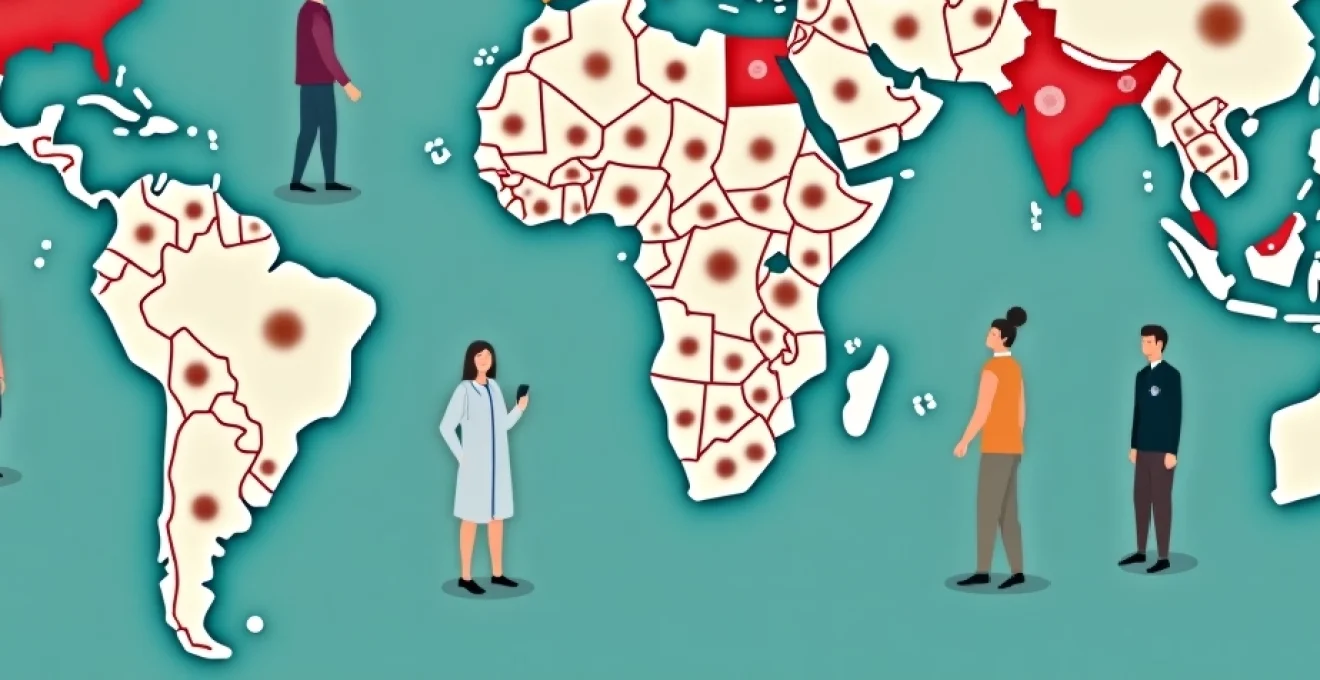
Global health disparities paint a stark picture of inequality across the world’s nations, with some countries bearing disproportionate disease burdens while others enjoy remarkable health outcomes. The question of which country is the “sickest” requires a nuanced examination of multiple health indicators, from infectious disease prevalence to non-communicable disease mortality rates. Recent data from comprehensive health indices reveals troubling patterns that extend far beyond simple healthcare access, encompassing environmental factors, economic conditions, and systemic infrastructure challenges.
Understanding global health disparities has become increasingly critical as interconnected economies and travel patterns mean that health crises in one region can rapidly affect others worldwide. The COVID-19 pandemic demonstrated how quickly disease can transcend borders, making the identification and support of the world’s most vulnerable health systems a matter of international importance. Current health rankings show dramatic variations, with some nations achieving life expectancies exceeding 84 years while others struggle with averages below 50 years.
Global health security index rankings and disease burden methodology
The assessment of national health status relies on sophisticated methodological frameworks that combine multiple indicators to provide comprehensive evaluations of population health. These methodologies have evolved significantly over recent decades, incorporating not only traditional mortality and morbidity statistics but also environmental factors, healthcare infrastructure quality, and pandemic preparedness capabilities. The Global Health Security Index , developed by the Nuclear Threat Initiative and Johns Hopkins Center for Health Security, represents one of the most comprehensive approaches to evaluating national health preparedness and disease burden capacity.
Modern health assessment frameworks utilise complex weighting systems that account for both immediate health outcomes and underlying determinants of health. These systems recognise that a country’s health status cannot be accurately measured solely through mortality rates or disease prevalence. Instead, they incorporate factors such as healthcare workforce density, laboratory capacity, emergency response capabilities, and communication systems that collectively determine a nation’s ability to maintain population health and respond to health emergencies.
WHO global health observatory disease burden metrics
The World Health Organisation’s Global Health Observatory database serves as the definitive source for international health statistics, providing standardised metrics that enable meaningful comparisons across diverse healthcare systems and epidemiological contexts. This comprehensive data collection system encompasses over 1,000 health-related indicators, ranging from basic mortality statistics to complex measurements of health system performance and environmental health risks.
Disease burden assessment through WHO metrics employs sophisticated statistical modelling that accounts for demographic variations, underreporting biases, and data quality differences across countries. The organisation’s Global Burden of Disease study represents the most ambitious attempt to quantify health loss from hundreds of diseases, injuries, and risk factors across all countries and demographic groups. This methodology enables researchers to identify not only which countries face the highest disease burdens but also the specific conditions driving poor health outcomes in different regions.
Disability-adjusted life years (DALYs) statistical framework
The DALY framework revolutionised health measurement by combining years of life lost due to premature mortality with years lived with disability, providing a comprehensive metric for comparing the relative impact of different health conditions. This approach recognises that health extends beyond mere survival, incorporating quality of life considerations that reflect the full spectrum of disease impact on individuals and societies.
DALY calculations involve complex epidemiological modelling that adjusts for age-specific mortality rates, disability weights assigned to different health conditions, and time discounting factors that reflect societal preferences for health gains in different time periods. Sub-Saharan African nations consistently record the highest DALY rates globally , with countries like the Central African Republic, Chad, and Somalia showing disease burdens that are more than ten times higher than those observed in the healthiest nations.
Years of life lost (YLL) assessment protocols
Years of Life Lost measurements focus specifically on premature mortality, comparing actual death patterns against theoretical life expectancies that could be achieved with optimal health conditions. This metric proves particularly valuable for identifying countries where preventable deaths significantly impact population health outcomes, highlighting the potential gains achievable through improved healthcare delivery and disease prevention programmes.
YLL assessments reveal dramatic global disparities, with some nations losing decades of potential life per capita annually while others maintain mortality patterns that closely approach theoretical minimums. The methodology accounts for different causes of death, enabling researchers to identify whether premature mortality results primarily from communicable diseases, non-communicable conditions, or injuries and violence.
Healthcare access and quality index comparative analysis
The Healthcare Access and Quality Index synthesises information across 32 causes of death that should not occur in the presence of effective healthcare, providing a composite measure of health system performance. This innovative approach moves beyond simple resource availability metrics to assess functional healthcare delivery capacity, offering insights into which countries successfully translate healthcare investments into improved population outcomes.
Index calculations incorporate both preventable mortality and amenable mortality indicators, distinguishing between deaths that could be avoided through primary prevention measures and those requiring effective medical intervention. Countries with the lowest Healthcare Access and Quality Index scores typically combine high rates of both preventable and amenable mortality, indicating systemic failures across the entire healthcare delivery spectrum.
Communicable disease prevalence by geographic region
Communicable diseases continue to impose devastating burdens on populations worldwide, with their impact heavily concentrated in specific geographic regions characterised by poverty, weak health systems, and environmental conditions that facilitate disease transmission. The global distribution of infectious diseases reflects complex interactions between pathogen ecology, human demographics, and healthcare infrastructure capacity , creating distinct epidemiological profiles across different world regions.
Recent epidemiological data reveals that communicable diseases account for over 60% of total disease burden in the world’s poorest countries, compared to less than 10% in high-income nations. This dramatic disparity reflects not only differences in disease exposure but also variations in healthcare capacity, nutrition status, and access to preventive interventions such as vaccination programmes and vector control measures.
Sub-saharan africa infectious disease epidemiology
Sub-Saharan Africa bears the world’s heaviest burden of communicable diseases, with HIV/AIDS, malaria, and tuberculosis forming a deadly triad that claims millions of lives annually. The region accounts for approximately 70% of global HIV infections, with countries like Eswatini, Lesotho, and Botswana recording adult HIV prevalence rates exceeding 20%. These astronomical infection rates create cascading health effects, as HIV compromises immune systems and increases susceptibility to other infectious diseases.
Malaria continues to exact a devastating toll across sub-Saharan Africa, with children under five bearing disproportionate mortality burdens. The Democratic Republic of Congo, Nigeria, Uganda, and Mozambique account for over half of global malaria deaths, reflecting both high transmission intensity and limited access to effective prevention and treatment measures. Climate change threatens to expand malaria transmission zones , potentially exposing additional populations to this deadly disease.
Tuberculosis prevalence in sub-Saharan Africa has been exacerbated by the HIV epidemic, with co-infection rates reaching alarming levels in countries like South Africa, Zimbabwe, and Zambia. Drug-resistant tuberculosis strains pose additional challenges, requiring expensive and prolonged treatment regimens that strain already overwhelmed healthcare systems. The emergence of extensively drug-resistant tuberculosis in several African countries represents a particularly concerning development with potential global implications.
Southeast asian tropical disease distribution patterns
Southeast Asia presents a complex epidemiological landscape characterised by emerging infectious diseases, persistent tropical infections, and growing antimicrobial resistance patterns. The region serves as a critical hotspot for influenza evolution, with avian influenza strains regularly crossing species barriers and threatening pandemic potential. Countries like Vietnam, Thailand, and Indonesia have experienced repeated outbreaks of highly pathogenic influenza viruses, requiring constant vigilance and rapid response capabilities.
Dengue fever has reached endemic levels across much of Southeast Asia, with countries like Thailand, Philippines, and Malaysia recording hundreds of thousands of cases annually. The expansion of urban populations and climate change have created ideal conditions for Aedes mosquito proliferation , the primary vector for dengue transmission. The introduction of additional dengue virus serotypes has complicated disease control efforts and increased the risk of severe dengue haemorrhagic fever.
Latin american Vector-Borne illness hotspots
Latin America faces significant challenges from vector-borne diseases, with recent decades witnessing the emergence and re-emergence of multiple arboviral infections. The Zika virus outbreak that began in Brazil in 2015 demonstrated the region’s vulnerability to explosive disease transmission, ultimately spreading across most of the Americas and causing severe developmental abnormalities in thousands of infants.
Chikungunya and yellow fever have also resurged across Latin America, with countries like Colombia, Venezuela, and Brazil experiencing large-scale outbreaks. The breakdown of vector control programmes in several nations has contributed to the resurgence of diseases that were previously well-controlled. Political instability and economic crises have particularly impacted disease surveillance and control efforts in Venezuela, creating conditions for disease spillover into neighbouring countries.
Eastern european tuberculosis and HIV co-infection rates
Eastern Europe faces unique challenges related to tuberculosis and HIV co-infection, compounded by high rates of drug-resistant tuberculosis and injection drug use. Countries like Ukraine, Russia, and Belarus have recorded some of the world’s highest rates of multidrug-resistant tuberculosis, with treatment success rates remaining disappointingly low despite international support efforts.
The HIV epidemic in Eastern Europe has been driven primarily by injection drug use, creating distinct epidemiological patterns compared to other world regions. This transmission route has resulted in concentrated epidemics among marginalised populations with limited healthcare access, complicating both HIV and tuberculosis control efforts. Recent conflict in Ukraine has further disrupted disease control programmes, potentially leading to increased transmission and deteriorating health outcomes.
Non-communicable disease mortality statistics worldwide
Non-communicable diseases have emerged as the dominant cause of mortality worldwide, accounting for approximately 74% of all deaths globally and representing a fundamental shift in the global disease landscape. This epidemiological transition reflects improved control of infectious diseases in many regions, combined with population aging, urbanisation, and lifestyle changes that increase exposure to cardiovascular disease, diabetes, cancer, and chronic respiratory conditions. The burden of non-communicable diseases falls disproportionately on low- and middle-income countries, which now account for over 75% of NCD-related deaths despite having less developed healthcare infrastructure.
The economic impact of non-communicable diseases extends far beyond healthcare costs, encompassing lost productivity, reduced economic growth, and increased healthcare expenditure that can strain national budgets. Countries with high NCD burdens often find themselves trapped in cycles where disease-related economic losses limit their capacity to invest in prevention and treatment programmes, perpetuating poor health outcomes. The premature mortality from NCDs particularly affects working-age populations, creating significant economic and social disruption in affected communities.
Cardiovascular disease death rates in pacific island nations
Pacific Island nations record some of the world’s highest cardiovascular disease mortality rates, with countries like Fiji, Tonga, and Samoa experiencing death rates that exceed global averages by substantial margins. These elevated rates reflect complex interactions between genetic predisposition, dietary transitions, and lifestyle changes associated with modernisation and urbanisation processes.
Traditional Pacific diets rich in fish, vegetables, and fruits have been increasingly replaced by processed foods high in sodium, sugar, and saturated fats. This nutritional transition, combined with reduced physical activity levels, has created epidemic levels of obesity, hypertension, and diabetes across the region. Samoa records adult obesity rates exceeding 80% , contributing directly to cardiovascular disease risk and premature mortality.
Limited healthcare infrastructure in many Pacific Island nations compounds the cardiovascular disease burden, with inadequate access to cardiac care specialists, diagnostic equipment, and essential medications. Geographic isolation makes referral to advanced cardiac care facilities extremely expensive and logistically challenging, often resulting in delayed or inadequate treatment for serious cardiovascular conditions.
Type 2 diabetes prevalence in gulf cooperation council states
The Gulf Cooperation Council states have witnessed explosive growth in type 2 diabetes prevalence over recent decades, with countries like Saudi Arabia, UAE, and Kuwait now ranking among the world’s highest diabetes prevalence rates. Adult diabetes prevalence in these countries frequently exceeds 15%, representing a dramatic increase from rates below 5% recorded just three decades ago.
This diabetes epidemic reflects rapid socioeconomic transformation characterised by increased wealth, dietary westernisation, reduced physical activity, and genetic predisposition among Gulf populations. The transition from traditional lifestyles involving physical labour and traditional diets to sedentary occupations and calorie-dense foods has created ideal conditions for diabetes development.
The UAE reports that nearly one in five adults now lives with diabetes, creating enormous healthcare system pressures and economic burdens.
Diabetes complications impose significant mortality and morbidity burdens across GCC states, with high rates of diabetic nephropathy, retinopathy, and cardiovascular complications. The young age of diabetes onset in many Gulf populations means that individuals face decades of disease management and potential complications, creating long-term healthcare challenges and economic implications.
Cancer incidence patterns in eastern european countries
Eastern European countries exhibit distinct cancer incidence patterns that reflect historical exposures to industrial pollutants, high tobacco consumption rates, alcohol use, and dietary factors. Countries like Hungary, Czech Republic, and Poland record some of the world’s highest rates of lung, colorectal, and stomach cancers, with mortality rates significantly exceeding those observed in Western European nations.
Lung cancer incidence in Eastern Europe reflects decades of high smoking prevalence, particularly among men, combined with occupational exposures to asbestos, industrial chemicals, and air pollution. Hungary consistently ranks among countries with the highest lung cancer mortality rates globally , with age-adjusted rates nearly double those observed in countries with comprehensive tobacco control programmes.
Healthcare system capacity for cancer diagnosis and treatment varies significantly across Eastern European countries, with some nations achieving treatment outcomes comparable to Western Europe while others struggle with limited oncology resources, delayed diagnosis, and inadequate access to modern cancer therapies. These healthcare disparities contribute directly to the elevated cancer mortality rates observed throughout the region.
Chronic respiratory disease burden in industrial nations
Industrial nations face significant burdens from chronic respiratory diseases, particularly chronic obstructive pulmonary disease (COPD) and asthma, which reflect both historical and ongoing exposures to air pollution, occupational hazards, and tobacco smoke. Countries with heavy industrial activity, such as China, Russia, and several Eastern European nations, record particularly high COPD prevalence rates that continue to increase despite awareness of contributing risk factors.
Air pollution represents a critical driver of respiratory disease burden in many industrial nations, with fine particulate matter and other pollutants causing both acute respiratory symptoms and chronic disease development. China’s rapid industrialisation has coincided with dramatic increases in respiratory disease prevalence , particularly in heavily polluted urban areas where air quality regularly exceeds safe exposure limits by substantial margins.
Healthcare infrastructure deficiency analysis
Healthcare infrastructure deficiencies represent fundamental barriers to health improvement in the world’s sickest countries, creating cascading effects that amplify disease burdens and limit therapeutic options for populations facing multiple health challenges. These infrastructure gaps encompass not only physical facilities and medical equipment but also human resources, supply chain systems, information technology platforms, and governance structures that collectively determine healthcare system functionality and effectiveness.
The most severely affected countries typically exhibit infrastructure deficiencies across multiple domains simultaneously, creating synergistic effects that compound individual system weaknesses. For example, inadequate laboratory capacity combined with insufficient trained personnel and unreliable supply chains creates situations where even basic diagnostic capabilities remain unavailable to large population segments.
The Central African Republic operates with fewer than 0.1 physicians per 1,000 population, compared to over 4 physicians per 1,000 in well-resourced healthcare systems.
Healthcare infrastructure assessment reveals striking disparities in resource distribution both between and within countries, with rural and remote populations typically facing the greatest access barriers. These geographic inequities often reflect historical underinvestment in peripheral regions, challenging terrain that complicates infrastructure development, and economic constraints that limit government capacity to extend services beyond urban centres. The resulting access disparities contribute directly to the elevated disease burdens observed in countries with inadequate healthcare infrastructure.
Digital health infrastructure represents an increasingly critical component of modern healthcare systems, yet remains severely underdeveloped in many of the world’s sickest countries. Electronic health records, telemedicine capabilities, disease surveillance systems, and health information management platforms can dramatically improve healthcare delivery efficiency and effectiveness. However, countries with the greatest disease burdens often lack the technological infrastructure, electrical power reliability, and trained personnel necessary to implement and maintain digital health solutions.
Financial sustainability represents another crucial dimension of healthcare infrastructure, as systems require predictable funding streams to maintain operations, procure supplies, and retain qualified personnel. Many countries with high disease burdens struggle with healthcare financing mechanisms that rely heavily on out-of-pocket payments, creating access barriers for impoverished populations and perpetuating cycles of poor health outcomes. Chad spends less than $20 per capita annually on healthcare , compared to over $4,000 per capita in countries with well-developed healthcare systems.
Environmental health risk factors and disease correlation
Environmental health risk factors serve as fundamental determinants of disease patterns worldwide, creating conditions that either promote or prevent illness across different populations. The relationship between environmental conditions and disease burden demonstrates clear correlations, with countries facing the most severe environmental challenges typically recording the highest rates of preventable illness and premature mortality. Air pollution, water contamination, inadequate sanitation, and exposure to toxic substances create cascading health effects that disproportionately impact the world’s most vulnerable populations.
Indoor air pollution from biomass fuel combustion affects over 2.8 billion people globally, primarily in low-income countries where alternative energy sources remain inaccessible. This exposure contributes significantly to respiratory infections, chronic obstructive pulmonary disease, and cardiovascular conditions, with children and women bearing disproportionate health burdens. Countries like Afghanistan, Chad, and Madagascar record some of the highest rates of household air pollution exposure, directly correlating with their elevated respiratory disease mortality statistics.
Water quality represents another critical environmental health determinant, with unsafe water sources contributing to diarrheal diseases, cholera, typhoid, and other waterborne infections. The World Health Organization estimates that contaminated water causes over 485,000 deaths annually, with the vast majority occurring in countries with inadequate water treatment infrastructure. Sub-Saharan African nations like Somalia, Central African Republic, and Chad consistently rank among countries with the poorest water access and highest rates of water-related disease mortality.
Climate change amplifies existing environmental health risks while creating new disease transmission patterns that threaten global health security. Rising temperatures expand the geographic range of vector-borne diseases, while extreme weather events disrupt healthcare delivery and increase exposure to contaminated water sources. Small island developing states face particular vulnerability to climate-related health impacts, with rising sea levels threatening freshwater supplies and extreme weather events overwhelming limited healthcare infrastructure.
Environmental degradation and poor sanitation systems contribute to over 24% of the global disease burden, with the poorest countries experiencing the most severe impacts.
Soil contamination from industrial activities, mining operations, and agricultural chemicals creates long-term health risks that persist for decades after initial exposure. Countries with histories of intensive mining or industrial development often exhibit elevated rates of cancer, neurological disorders, and developmental abnormalities that reflect past environmental contamination. The legacy of environmental degradation in countries like Kazakhstan, Ukraine, and several sub-Saharan African mining regions continues to impact population health outcomes despite remediation efforts.
Pandemic preparedness index and outbreak response capacity
Pandemic preparedness represents a critical dimension of national health security that determines how effectively countries can detect, respond to, and control infectious disease outbreaks before they escalate into broader public health emergencies. The Global Health Security Index provides comprehensive assessments of pandemic preparedness across multiple domains, revealing dramatic disparities in outbreak response capacity that leave some nations extremely vulnerable to epidemic threats.
Countries with the weakest pandemic preparedness typically exhibit deficiencies across multiple critical areas simultaneously, including laboratory capacity, disease surveillance systems, healthcare workforce availability, and emergency response coordination mechanisms. These systemic weaknesses create conditions where small outbreaks can rapidly expand into major epidemics, as demonstrated repeatedly in countries with limited public health infrastructure.
Laboratory diagnostic capacity represents a fundamental requirement for effective outbreak detection and response, yet remains severely limited in many of the world’s most disease-burdened countries. The Central African Republic, Somalia, and Chad lack adequate laboratory networks capable of rapidly identifying and characterizing infectious disease pathogens, creating dangerous delays in outbreak recognition and response initiation. These diagnostic gaps mean that disease outbreaks can spread undetected for weeks or months before appropriate control measures are implemented.
Disease surveillance systems in poorly prepared countries often rely on passive reporting mechanisms that significantly underestimate actual disease incidence and fail to provide the real-time information necessary for rapid outbreak response. Active surveillance programs require substantial investments in trained personnel, communication infrastructure, and data management systems that exceed the capacity of countries already struggling with basic healthcare delivery challenges.
Healthcare workforce availability during pandemic responses depends not only on absolute numbers of trained personnel but also on their geographic distribution, specialist training, and access to appropriate protective equipment and medical supplies. Countries like Afghanistan, Yemen, and Democratic Republic of Congo face severe healthcare worker shortages that become critically limiting factors during disease outbreaks, when increased patient volumes and infection control requirements strain already inadequate staffing levels.
The Democratic Republic of Congo operates with fewer than 0.2 hospital beds per 1,000 population, compared to over 8 beds per 1,000 in countries with robust pandemic preparedness capabilities.
Emergency response coordination mechanisms require functional governance systems, clear command structures, and established protocols for resource mobilization and inter-sectoral collaboration. Political instability, weak governance institutions, and limited administrative capacity in countries like Somalia, South Sudan, and Haiti create significant barriers to coordinated pandemic responses, often resulting in fragmented and ineffective control efforts.
International support systems play crucial roles in pandemic preparedness for countries with limited domestic capacity, yet dependency on external assistance creates vulnerabilities when global resources become stretched during widespread outbreaks. The COVID-19 pandemic demonstrated how international support mechanisms can become overwhelmed, leaving the most vulnerable countries with inadequate access to vaccines, treatments, and technical assistance when they are most needed.
Risk communication capabilities represent another critical component of pandemic preparedness that requires sophisticated understanding of local cultures, languages, and communication channels. Countries with limited media infrastructure, low literacy rates, and fragmented communication systems often struggle to disseminate accurate health information during outbreaks, potentially undermining control efforts and increasing disease transmission rates.
The correlation between overall disease burden and pandemic preparedness creates concerning feedback loops where countries most vulnerable to infectious disease outbreaks also possess the least capacity to respond effectively. This pattern suggests that improving pandemic preparedness in the world’s sickest countries requires comprehensive approaches that address underlying health system weaknesses rather than focusing solely on outbreak response capabilities.
Border health security measures, including port of entry screening, quarantine facilities, and cross-border disease surveillance coordination, remain underdeveloped in many high-burden countries despite their critical importance for preventing disease importation and exportation. Countries located along major migration routes or trade corridors face particular challenges in maintaining effective border health controls while managing legitimate movement of people and goods.