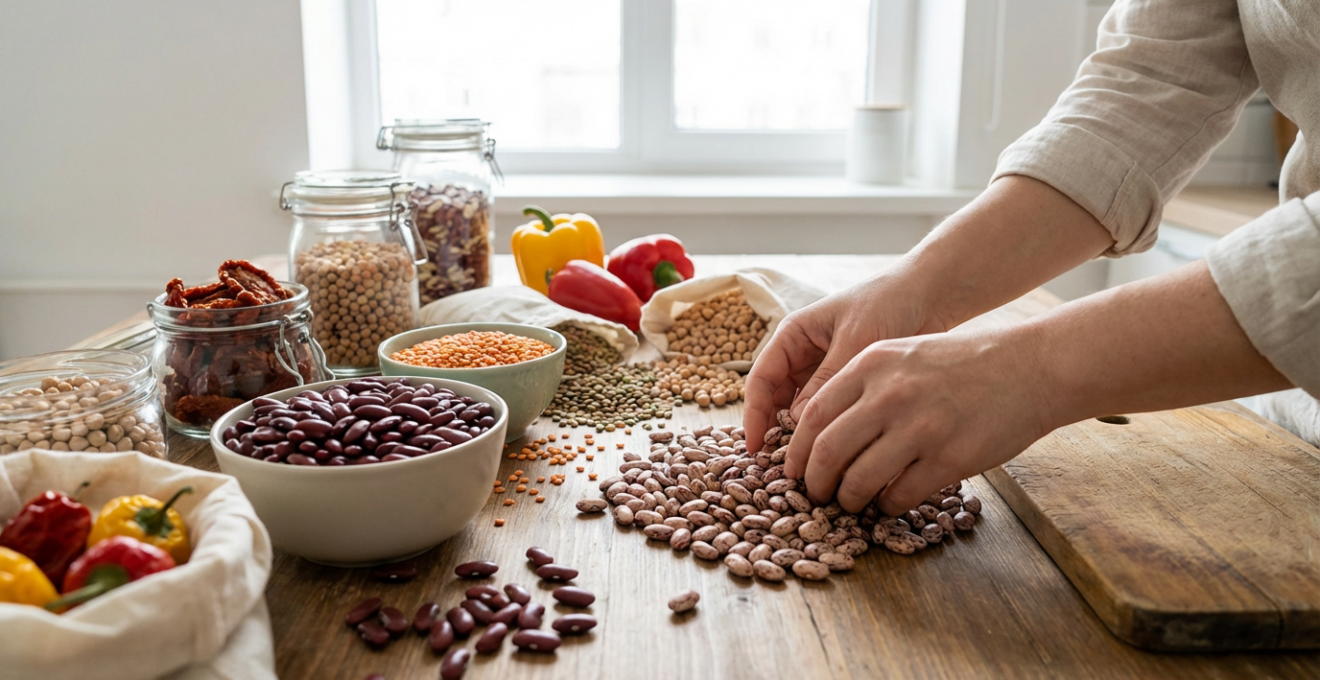
The lectin debate has exploded in recent years. Fear sells books. But what does the actual science say? And more importantly—what should you do with your dinner tonight?
Important information
This content is provided for informational purposes and does not constitute medical advice. Consult a qualified healthcare professional or registered dietitian for personalized dietary guidance.
Quick answer: Should you avoid lectins?
- Most people don’t need to avoid lectins—proper cooking eliminates concerns
- Raw or undercooked kidney beans are genuinely dangerous
- No clinical trials support lectin-free diets for general health
- Boiling, pressure cooking, and soaking dramatically reduce lectin activity
What Lectins Actually Do in Your Body
Ten minutes. That’s all it takes. According to research cited by the National Center for Biotechnology Information, boiling beans at 100°C for just ten minutes achieves complete destruction of toxic lectins. Ten minutes between danger and safety. Ten minutes that most home cooks already exceed without thinking about it.
Lectins are carbohydrate-binding proteins. Plants produce them as a defense mechanism against insects and fungi. When you eat raw beans, these proteins can bind to cells in your digestive tract. The result? Nausea, vomiting, diarrhea. Sometimes within hours.
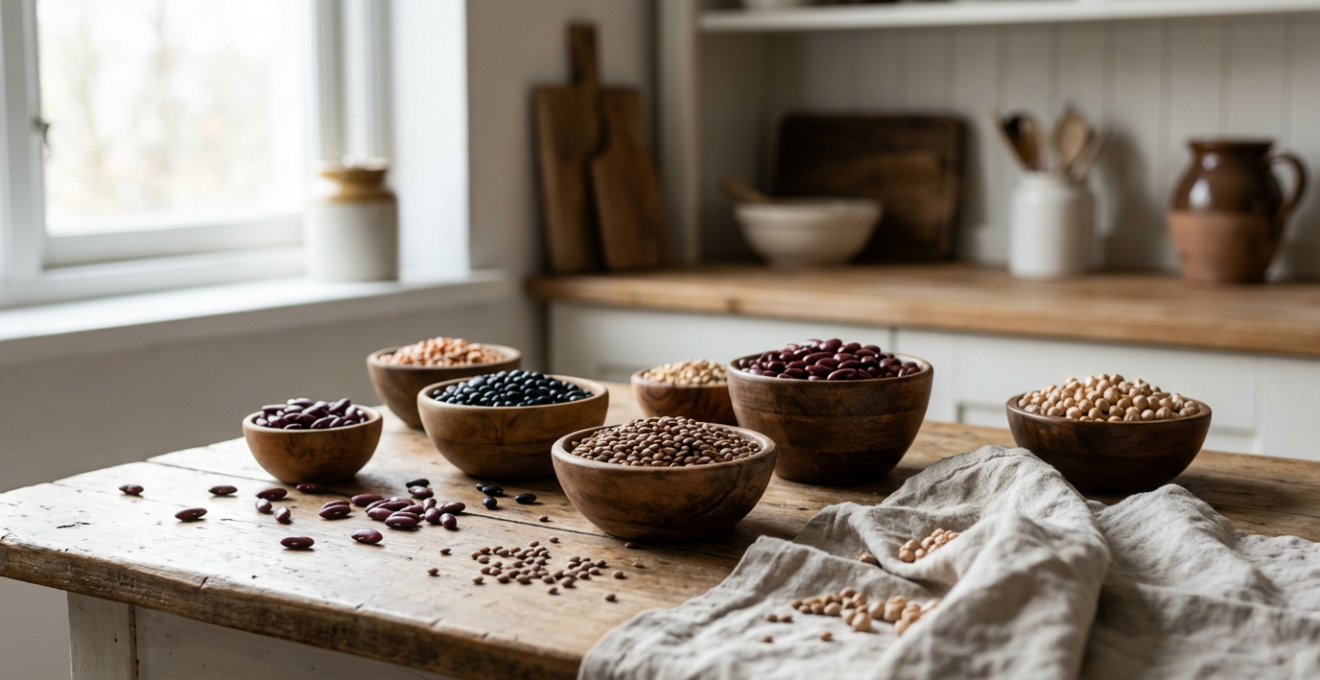
The key word is “raw.” In my practice, I see clients confusing what happens in a petri dish with what happens in their kitchen. Laboratory studies expose cells directly to concentrated lectin solutions. Your Tuesday night chili? Different situation entirely.
Why cooking matters more than avoidance: Lectins are water-soluble and heat-sensitive. Wet cooking methods—boiling, stewing, pressure cooking—break down these proteins. The beans you’ve been eating your entire life have already been rendered safe by traditional preparation methods your grandmother knew instinctively.
What the fear-based articles miss: humans have been cooking legumes for thousands of years. Traditional cuisines worldwide developed soaking and boiling techniques not by accident. These practices evolved because they work.
The Foods at the Center of the Lectin Debate
Here’s what frustrates me about most lectin articles. They hand you a list of foods to fear without mentioning that cooking changes everything. A raw kidney bean and a properly cooked kidney bean are nutritionally different entities. The comparison below clarifies what preparation actually accomplishes.
| Food | Raw lectin risk | After proper cooking | Recommended preparation |
|---|---|---|---|
| Kidney beans | High (toxic) | Negligible | Soak 5+ hours, boil 30 min |
| Lentils | Moderate | Minimal | Boil 20-30 min |
| Canned beans | N/A (pre-cooked) | Low | Ready to use |
| Tomatoes | Low | Very low | Cooking optional |
| Potatoes | Moderate (skin) | Low | Cook thoroughly |
The Fabaceae family—beans, lentils, peanuts—contains the highest lectin concentrations. But here’s what matters: these are also among the most nutritious foods available. Fiber, protein, minerals. Eliminating them based on raw lectin content makes about as much sense as avoiding chicken because raw poultry carries salmonella.
Nightshade vegetables cause particular anxiety for some clients. Tomatoes, peppers, eggplant, potatoes. The lectin content in these foods is substantially lower than in legumes. Most people eat them cooked anyway. If you’re concerned about foods harmful to colon health, undercooked beans pose a genuine risk while properly prepared nightshades rarely cause issues.

According to Harvard’s Nutrition Source, canned beans have already been cooked in liquid during processing, making them low in active lectins. Convenience and safety in one package. Something the fear-mongering diet books rarely mention.
What the Research Actually Shows
I need to be direct with you. The clinical evidence supporting lectin-free diets for general health does not exist. Not “limited evidence.” Not “preliminary findings.” The randomized controlled trials in humans simply haven’t been conducted.
A 2019 review published in the World Journal of Gastroenterology stated it plainly: no evidence-based research supports lectin exclusion for the general population. The authors explicitly warned that lectin elimination appeared poised to become the next “food fashion” without scientific foundation.
Claim: All lectins are harmful toxins that cause inflammation
What research shows: According to MD Anderson Cancer Center, there is currently no strong evidence in human studies that foods high in lectins consistently cause inflammation. The exception is gluten for those with celiac disease. Most dietary lectins are deactivated by standard cooking. Some research even suggests lectins may help stabilize blood sugars.
What the research doesn’t always capture is the gap between laboratory conditions and real-world eating. Test tube studies expose isolated cells to pure lectin concentrations far exceeding what you’d encounter eating a bowl of lentil soup. The dose makes the poison. The preparation method changes the equation.
Lectins have valuable applications in biomedical research, including cell biology and diagnostic tools. Specialized providers like elicityl-oligotech.com supply these proteins precisely because they bind to specific carbohydrate structures—a property useful for identifying cell types and researching disease mechanisms. The same binding capacity that causes concern in raw beans serves important purposes in laboratory medicine.
My honest assessment after reviewing the literature: most lectin fears are overblown for people eating normal cooked foods. The genuine risks involve raw or undercooked kidney beans—and those risks are real. Everything else falls into the category of theoretical concern without clinical proof.
How to Reduce Lectins Without Eliminating Nutritious Foods
I worked with a client named David last year. Software engineer from Portland. He had eliminated every legume after reading a popular diet book. Three months later, his bloating was worse, not better. The problem? He had drastically reduced his fiber intake. His gut microbiome was struggling. We reintroduced properly prepared beans gradually. His symptoms improved within weeks.
The most common mistake I encounter is removing entire food groups based on lectin content without first trying proper preparation methods. The FDA’s natural toxins guidance is clear: soaking beans for a minimum of five hours and then boiling them in fresh water for at least thirty minutes destroys the phytohemagglutinin toxin that causes illness.
Four steps to reduce lectins in your cooking
- Soak dried beans properly
Cover beans with several inches of water. Soak for eight to twelve hours—overnight works perfectly. Discard the soaking water before cooking. This step alone removes a significant portion of water-soluble lectins.
- Boil at full temperature
Fresh water. Rolling boil. Minimum ten minutes at 100°C, though thirty minutes provides an extra margin of safety for kidney beans. Slow cookers alone are inadequate—they don’t reach sufficient temperatures for lectin destruction.
- Consider pressure cooking
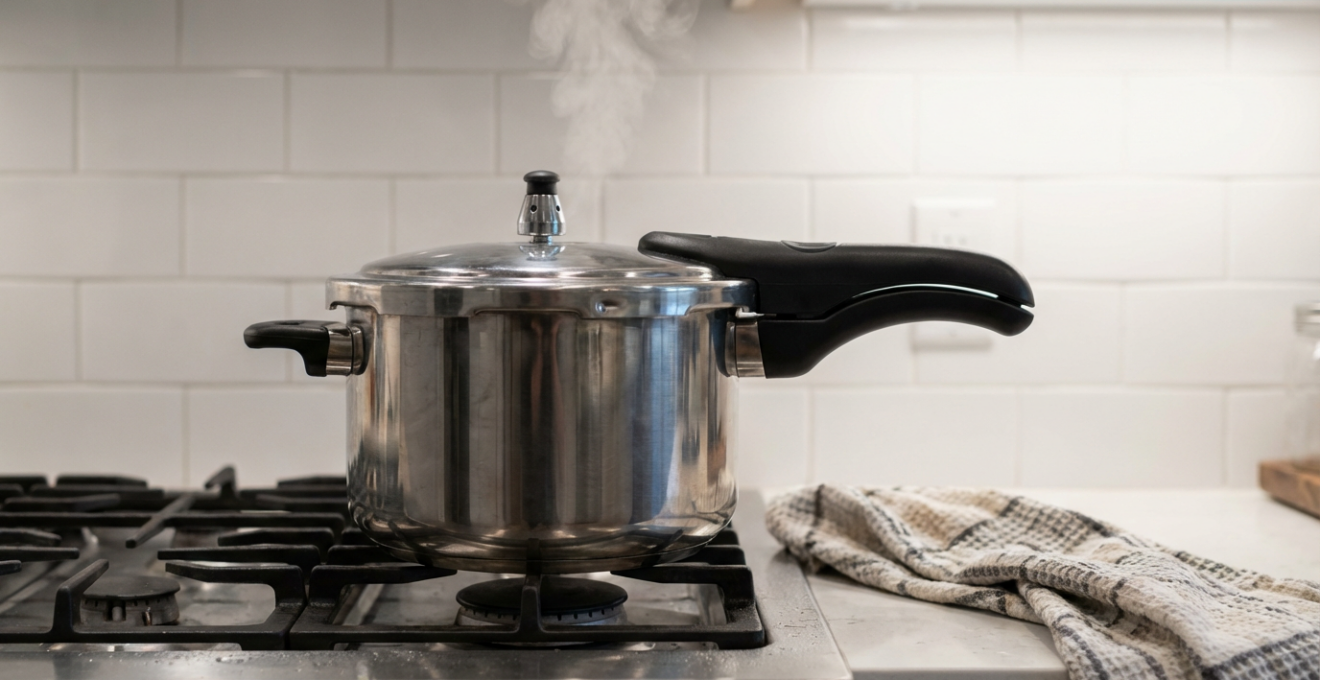
Research indicates that pressure cooking at 95°C for one hour eliminates lectin activity completely. Without presoaking, forty-five minutes of pressure cooking achieves the same result. Faster and more thorough.
- Choose canned as a shortcut
Commercial canned beans have already been heat-processed in liquid. They’re ready to use with low lectin activity. Convenience without compromise.
Practical tip: If you’re short on time, pressure cooking unsoaked beans for forty-five minutes works. But if you have digestive sensitivities, the traditional soak-then-boil method often produces beans that are easier to digest overall—not just lower in lectins, but lower in the oligosaccharides that cause gas too.
For those interested in how glycoconjugates and lectins interact at the molecular level, the science extends well beyond dietary concerns into therapeutic applications of glycoconjugates in medicine. The same binding properties that matter for food safety have implications for drug targeting and diagnostics.
Frequently Asked Questions About Lectins
Are lectins bad for your gut?
Raw lectins can damage the gut lining by binding to intestinal cells. Cooked lectins pose minimal risk for most people. The gut permeability concerns popularized by diet books apply primarily to raw or undercooked legumes—not the properly prepared beans most people actually eat. If you have inflammatory bowel disease or severe digestive issues, work with a gastroenterologist rather than self-diagnosing lectin sensitivity.
Do lectins cause inflammation?
Current evidence from human studies does not support the claim that properly cooked lectin-containing foods cause systemic inflammation. MD Anderson Cancer Center reviewed this question and found no strong evidence for the inflammation theory outside of gluten exposure in celiac disease. Laboratory studies showing inflammatory effects typically use isolated lectins at concentrations far exceeding normal dietary exposure.
Are canned beans lower in lectins than dried beans?
Yes. Canned beans undergo high-heat processing during manufacturing. They’re cooked in liquid at temperatures sufficient to deactivate lectins before they reach your pantry shelf. Harvard’s Nutrition Source confirms that canned beans are low in active lectins. If convenience matters to you, canned beans offer a safe, ready-to-use option.
Should I avoid tomatoes because of lectins?
Tomato lectin content is substantially lower than that of legumes. Most people eat tomatoes cooked in sauces, soups, and stews—preparation methods that further reduce any lectin activity. Unless you have a specific diagnosed sensitivity, avoiding tomatoes based on lectin fears lacks scientific justification. The nutritional benefits of tomatoes—lycopene, vitamin C, potassium—generally outweigh theoretical lectin concerns.
Is the Plant Paradox diet scientifically supported?
No randomized controlled trials in humans have validated the lectin-free diet approach promoted by the Plant Paradox book. The diet’s claims have been criticized as pseudoscientific by researchers in the field. While some individuals report feeling better after eliminating certain foods, controlled research attributing those benefits specifically to lectin reduction does not currently exist. Any elimination diet that removes processed foods may produce positive effects unrelated to lectins themselves.
The next step for your kitchen
If you take one thing from this article, let it be this: you probably don’t need to eliminate beans, lentils, or tomatoes from your diet. You need to cook them properly. The fear-based diet industry profits from complexity. The science points toward something simpler.
What I learned from Margaret’s case
Margaret, 52, came to me after three months on a strict lectin-free diet. She had followed a popular book’s recommendations precisely. The result? Severe constipation and fatigue. She had eliminated beans, whole grains, and most vegetables. We reintroduced properly prepared legumes gradually, starting with well-cooked lentils twice weekly. Within six weeks, her gut function normalized. She still avoids raw tomatoes by personal preference—and that’s fine. The all-or-nothing approach served no one.
The cases I’ve worked with suggest a consistent pattern: people who learn preparation methods thrive. People who eliminate entire food groups struggle. Traditional cuisines figured this out centuries ago. Soak your beans. Boil them thoroughly. Enjoy the fiber, protein, and minerals without fear.
Your immediate action plan
-
Keep eating beans—just soak dried ones overnight and boil for 30 minutes minimum
-
Use canned beans when time is short—they’re already safely processed
-
Never use slow cookers alone for kidney beans—temperature matters
-
If digestive symptoms persist after proper preparation, consult a gastroenterologist—not a diet book
Important considerations
Individual responses to dietary lectins vary based on gut health, genetics, and underlying conditions. Research on lectins in humans remains limited compared to laboratory studies. This article does not address specific medical conditions requiring specialized dietary protocols. If you experience persistent digestive symptoms, consult a registered dietitian or gastroenterologist for personalized assessment.